
By: Fuvi Kloku
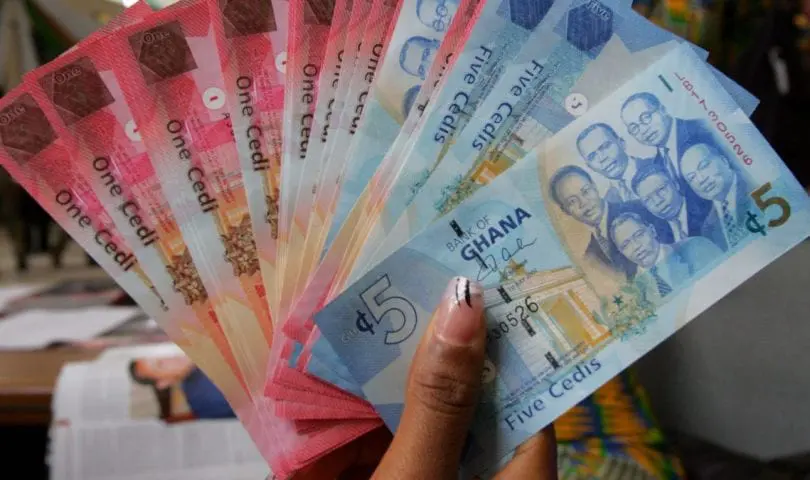
For years, the almighty dollar reigned supreme in Ghana’s bustling markets, whispered through shadowy exchanges, and embraced by business owners hedging against uncertainty. But today, the tide has turned in a dramatic and unexpected fashion—the Ghanaian Cedi has not only risen but dethroned the once-coveted U.S. dollar.
From Doubt to Dominance: A Currency Reclaims Its Power
Walk through the vibrant alleys of Makola Market, and you’ll hear a different tune—a chorus of economic renewal. “No dollars here, sister!” calls out Mama Adwoa, a textile vendor, waving away a stunned tourist clutching greenbacks. “The cedi is strong now! Why would I want your dollars when my cedi buys more?”
Her sentiment isn’t isolated. Spice merchants, seamstresses, fruit sellers—Ghana’s grassroots economy has turned the page, rejecting the dollar in favor of a currency that has, against all odds, proven its resilience.
The Underground Economy Falls in Line
Even in the less conventional corners of commerce, where whispers of clandestine transactions once favored foreign currencies, the impact is undeniable. Across Accra, Kumasi, and coastal towns, a once-unthinkable trend is emerging: individuals who relied on dollar dealings are outright refusing dollar payments, favoring cedis for their stability and purchasing power.
At the famed Nima Police Station junction, a seasoned street entrepreneur known simply as “Ashawo” tells it like it is. “The time for clamoring for the dollar is over,” she declares, cigarette in hand. “Before, they would pay in dollars, and I’d rush to the forex bureau, praying it hadn’t dropped. But now? Cedi in hand, no hassle, better value.”
A Transformation Beyond the Streets
The ripple effect extends far beyond informal exchanges. Boutique hotels in Osu, upscale restaurants, even car dealerships—all pivoting toward the cedi.
Hotels & Guesthouses once eager to quote rates in dollars to cushion revenue now proudly offer cedi prices.
Artisans at the Arts Centre, famed for pricing their intricate kente cloths and carvings in dollars, are confidently stating their prices in cedis.
Luxury car dealerships, long known for dollar-denominated sales, now showcase price tags in Ghana cedis, signaling deep-seated trust in the currency’s future.
A Psychological Shift: Sovereignty Over Dependency
This isn’t just about currency appreciation—it’s about national pride and economic self-reliance. The widespread rejection of the dollar marks a profound shift in Ghana’s financial psyche. From market traders to high-end retailers, the message is clear:
The cedi is no longer an afterthought—it’s the currency of choice.
Ghana’s economy isn’t just recovering—it’s commanding respect.
The world is watching as the nation reclaims financial sovereignty.
What was once unimaginable has become reality: Ghana’s streets are speaking in cedis. And that, more than anything, signals a future where local currency reigns—not just in numbers, but in confidence.