


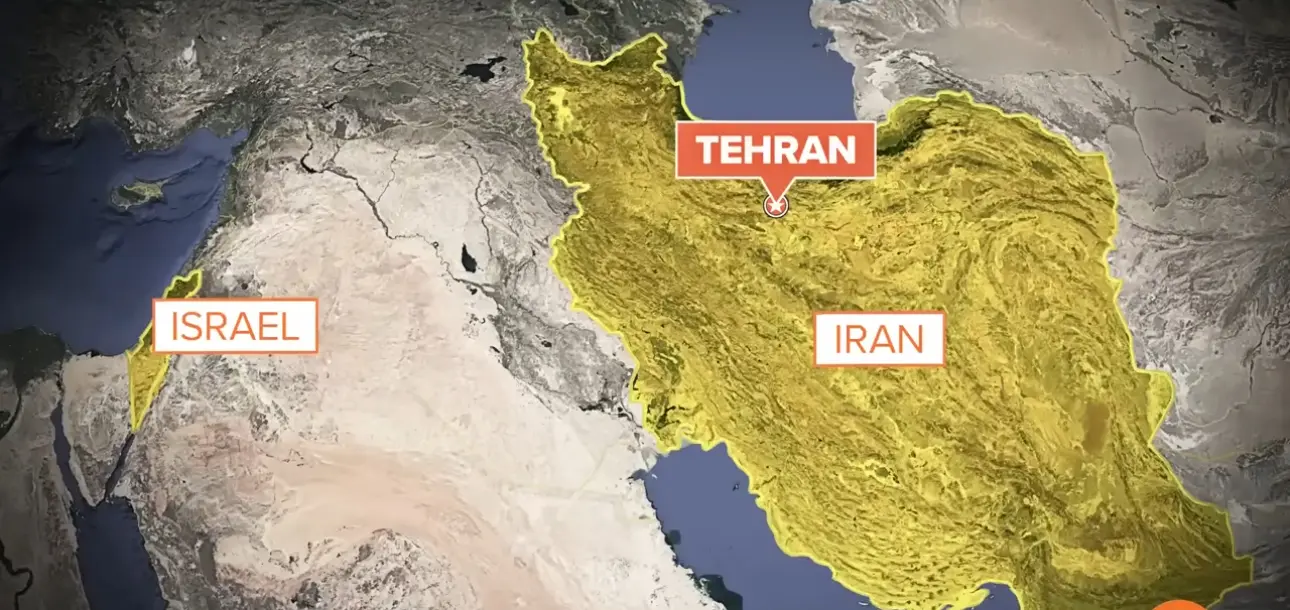
A volatile chapter unfolded overnight in the Middle East as Israeli forces carried out coordinated airstrikes against targets inside Iran. According to emerging reports, the attacks focused on nuclear infrastructure, high-ranking military leaders, and prominent nuclear scientists—moves Israeli officials claim were intended to prevent Iran from attaining nuclear weapons capability.
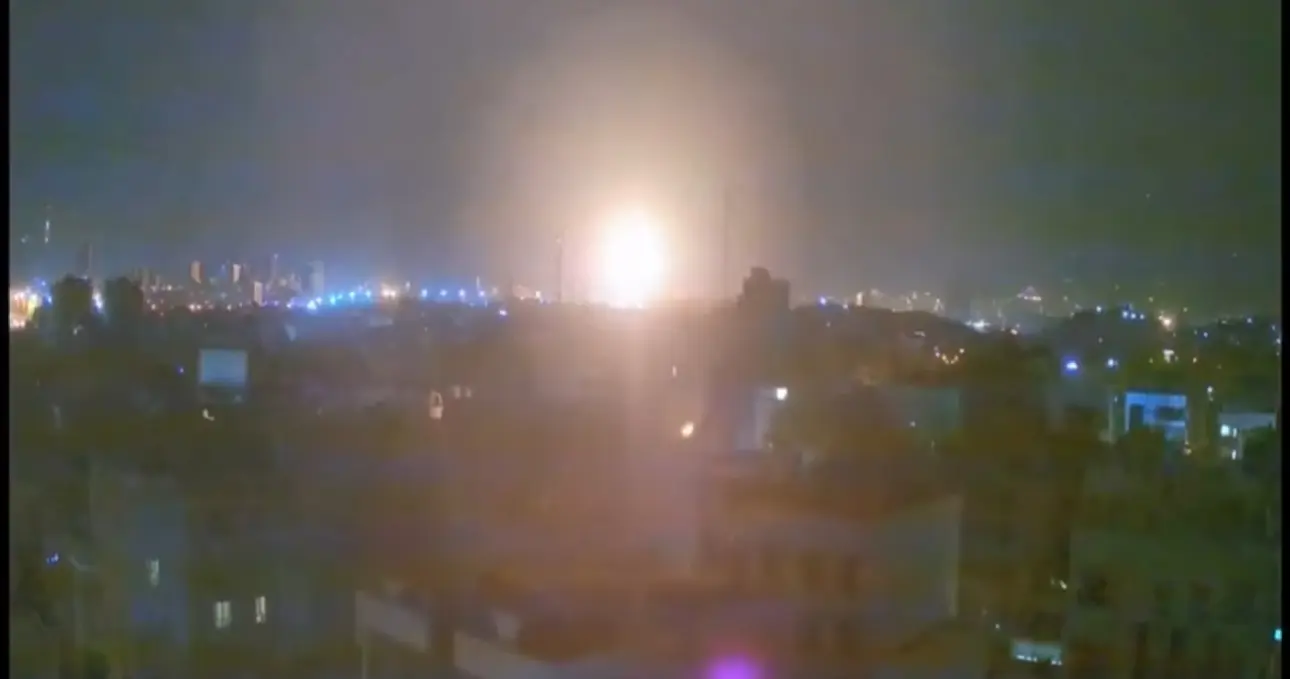
In direct response, Iran has reportedly unleashed a wave of drones aimed at Israel. Authorities in Jerusalem state that over 100 unmanned aircraft were launched, with portions of the swarm intercepted by Israel’s air defense systems. Air raid sirens blared across multiple cities as security forces worked to neutralize the aerial threat.
These dramatic developments come amid long-standing hostilities between the two regional powers. While Israel justifies its actions as preemptive self-defense, Iranian officials have condemned the strikes and vowed continued retaliation.
Global leaders and diplomats are urging calm as fears grow over a wider regional conflict. Washington has stated it had no prior involvement in the military action, focusing instead on safeguarding American forces positioned in the area.
With both nations trading blows, the geopolitical landscape remains in flux. The situation is developing rapidly, and international attention is fixed on what could become a decisive turning point in Middle Eastern stability.
Sankofaonline
