

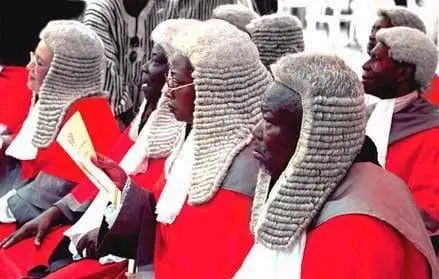

The Supreme Court of Ghana has intervened in a contentious parliamentary dispute, granting a stay of execution on Speaker Alban Bagbin’s ruling that declared four parliamentary seats vacant. This decision allows the affected MPs to continue performing their legislative duties until the court reaches a final verdict.
The four MPs in question had switched allegiance, prompting Speaker Bagbin’s ruling that they vacate their seats. However, Majority Leader Alexander Afenyo-Markin challenged this decision, arguing that the Speaker overstepped his authority by interpreting Article 97 of the Constitution.
A Supreme Court panel, chaired by Chief Justice Gertrude Sackey Torkornoo, sided with Afenyo-Markin, stating that the Speaker’s decision would deprive the constituents of the four affected MPs of their democratic right to representation. The court directed the Attorney General and Speaker of Parliament to file their statements of case and memorandum of issues within seven days.
This development highlights the ongoing tensions between Ghana’s legislative and judicial branches. The Supreme Court’s decision ensures that the affected MPs can continue to represent their constituents until the matter is fully resolved.
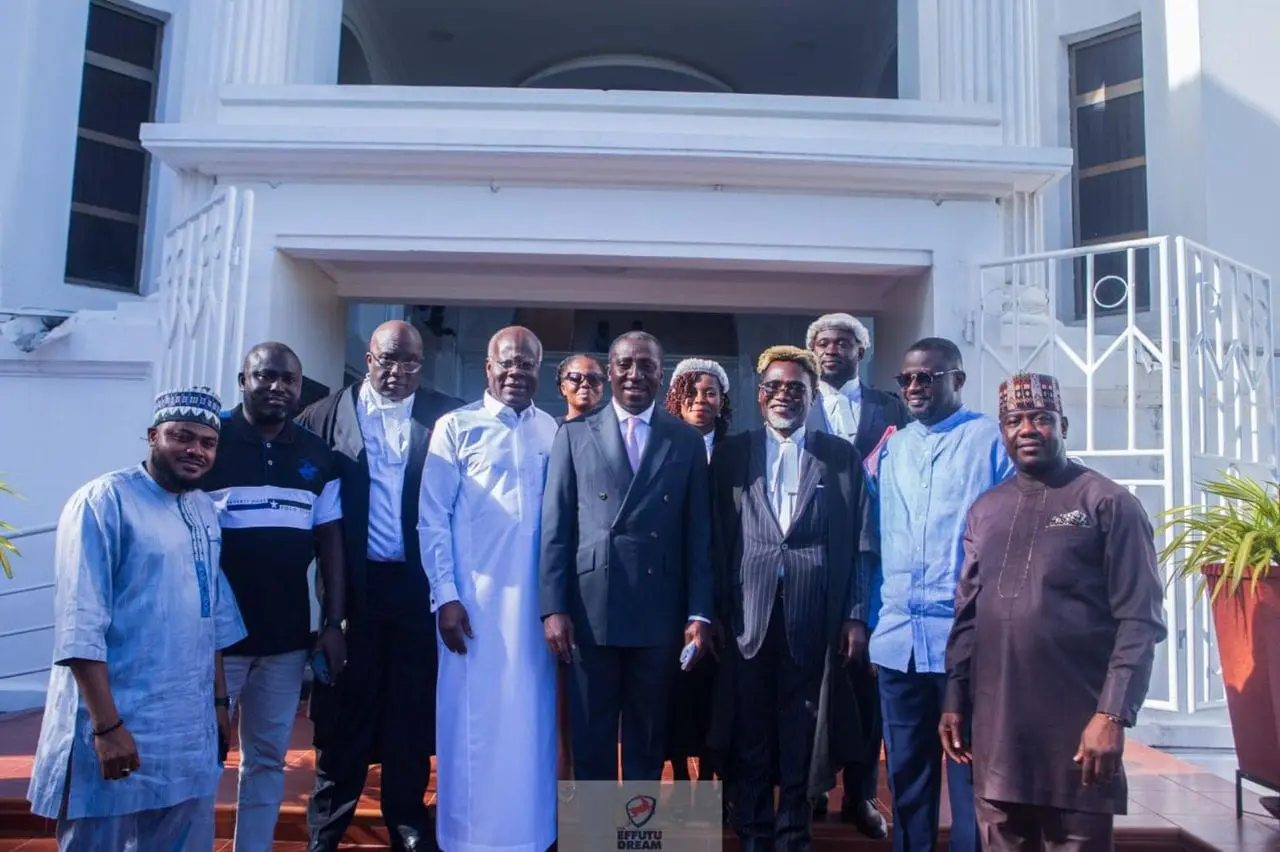
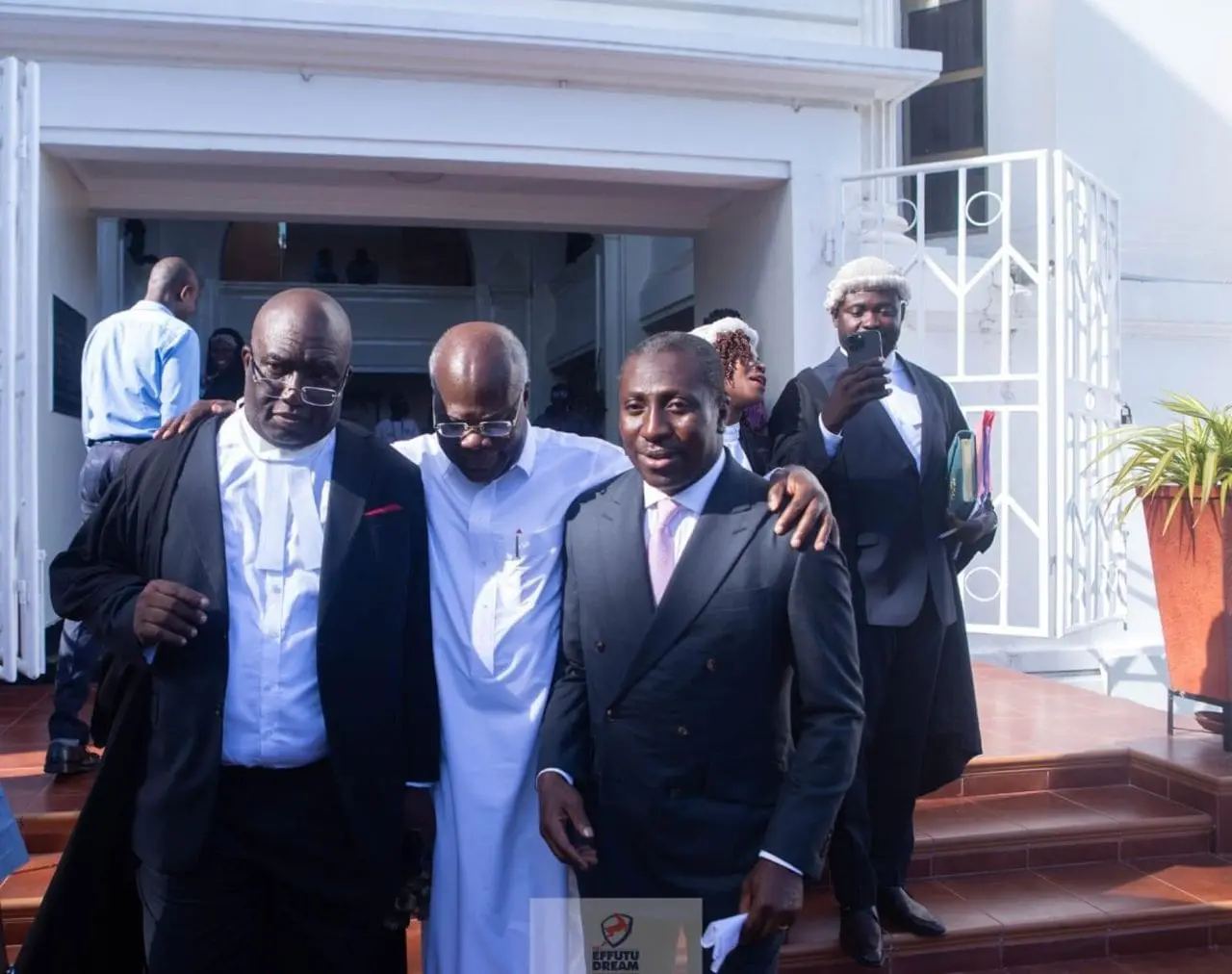
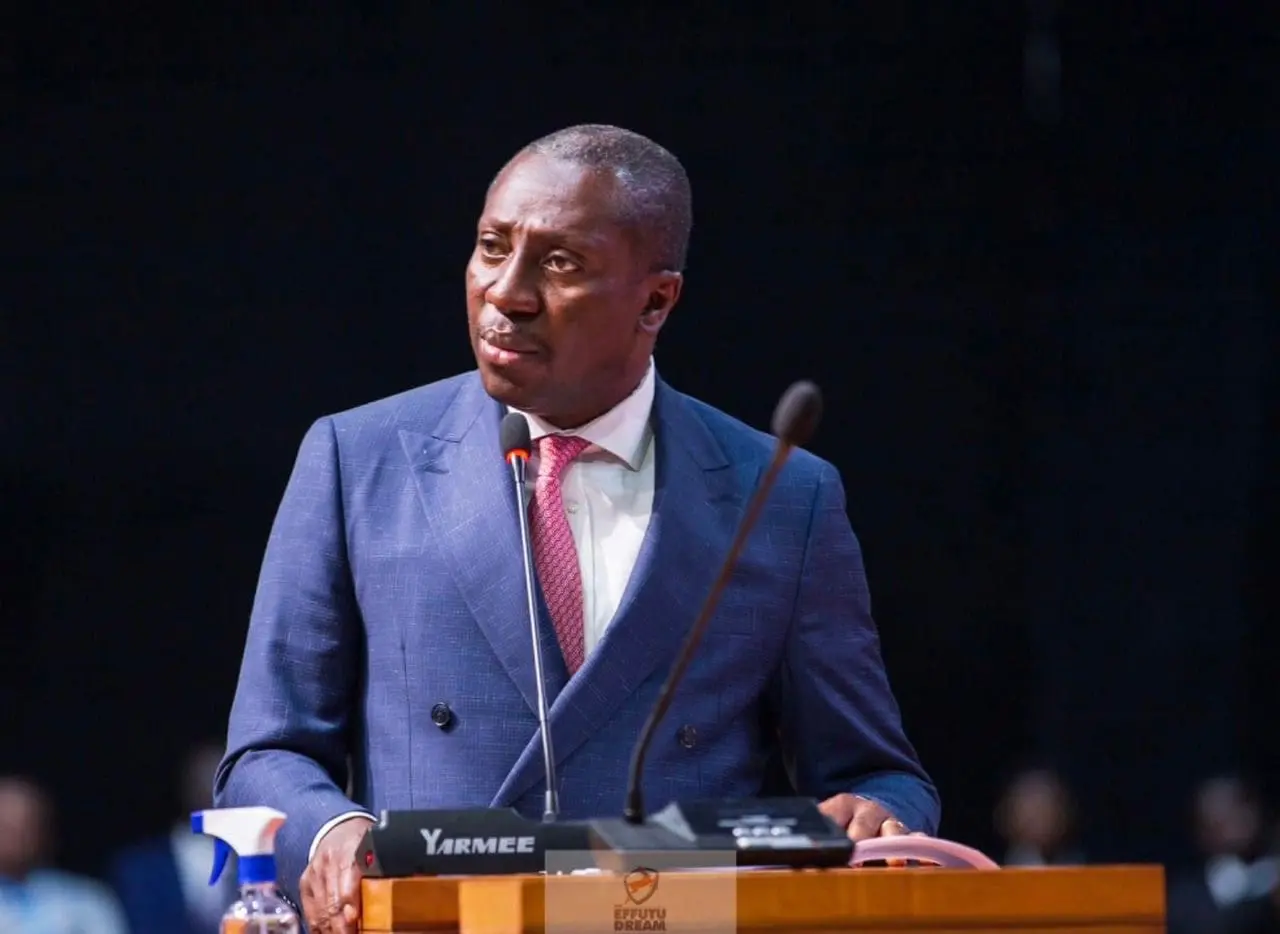
The case has sparked debate about the interpretation of Article 97 and the limits of the Speaker’s power. Lawyers for the Majority Leader contend that filing nominations does not constitute “crossing the carpet,” as alleged by the Speaker.
As the legal battle unfolds, Ghana’s parliamentary landscape remains uncertain. The Supreme Court’s final ruling will have significant implications for the country’s democratic process and the representation of constituents.

Ruth Abla ADJORLOLO
