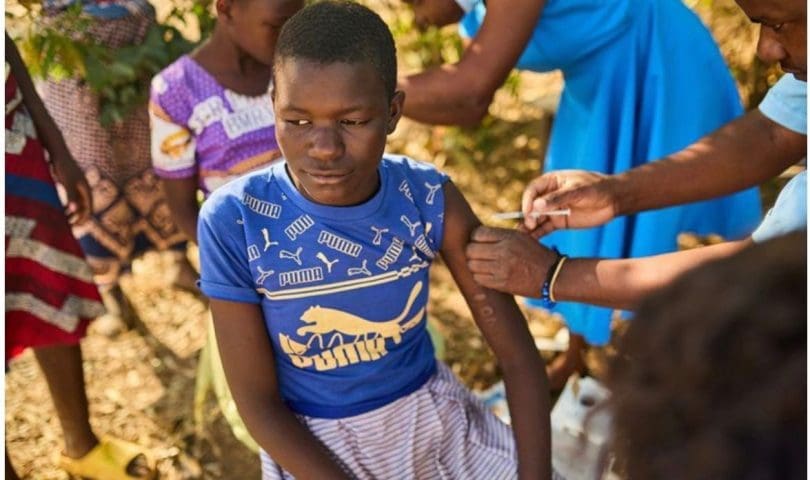

In a significant breakthrough in the fight against cervical cancer, the World Health Organization (WHO) has announced that a fourth human papillomavirus (HPV) vaccine product, Cecolin, has been confirmed for use in a single-dose schedule ¹. This milestone decision is based on new data that meets the criteria set out in the WHO’s 2022 recommendations for alternative, off-label use of HPV vaccines in single-dose schedules.
According to Dr. Tedros Adhanom Ghebreyesus, WHO Director-General, “Unlike most other cancers, we have the ability to eliminate cervical cancer, along with its painful inequities. By adding another option for a one-dose HPV vaccination schedule, we have taken another step closer to consigning cervical cancer to history” .
The alarming statistics surrounding cervical cancer underscore the importance of this development. Every two minutes, a woman dies from this preventable disease globally, with 90% of these deaths occurring in low- and middle-income countries. Africa is disproportionately affected, with 19 of the 20 hardest-hit countries located on the continent.
The WHO’s global strategy for cervical cancer elimination aims to have 90% of girls fully vaccinated with the HPV vaccine by 15 years of age. Dr. Kate O’Brien, Director of the Department of Immunization, Vaccines and Biologicals at WHO, emphasized that the addition of this single-dose vaccine product will provide countries with greater choice and flexibility in reaching more girls.
The approval of Cecolin follows a growing trend of vaccine products initially prequalified for use in a 2-dose schedule being adapted for single-dose use. This shift has already shown promising results, with global data indicating a 7% increase in one-dose HPV vaccine coverage among girls aged 9-14 years between 2022 and 2023.
Furthermore, the WHO has also prequalified a fifth HPV vaccine, Walrinvax, which will contribute to a more sustainable supply of HPV vaccines globally ¹. This development is bolstered by significant funding commitments from partners, including the Bill & Melinda Gates Foundation, UNICEF, and the World Bank, totaling nearly US$ 600 million.
WHO/Ruth Abla ADJORLOLO