

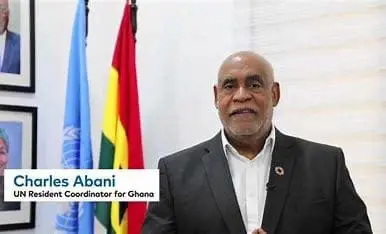

The United Nations has urged Ghanaians to join forces to eliminate illegal mining, also known as galamsey, which continues to devastate the environment, economy, and social fabric of the nation. Charles Abani, UN Resident Coordinator in Ghana, emphasized the destructive effects of galamsey, including increased poverty, damaged livelihoods, environmental pollution, health risks, and disrupted peace.
Mr. Abani’s appeal comes amidst widespread public outcry and anti-galamsey protests. He stressed the importance of responsible mining and sustainable development, urging all stakeholders to work together for the greater good.
Galamsey has had severe consequences, including environmental degradation, economic instability, and social harm. The illegal activity has polluted water bodies and harmed ecosystems, fueled illicit financial flows, and disrupted economic stability. Additionally, it exacerbates poverty, damages livelihoods, and negatively affects health and water resources.
The UN Resident Coordinator appealed to leaders across various sectors, including government, national institutions, political parties, traditional and religious institutions, civil society, and the private sector, to collaborate in addressing the challenges posed by illegal mining.
Mr. Abani also emphasized the need for peaceful demonstrations, urging protesters to remain calm and law-abiding while calling on the police to uphold professionalism in maintaining public order.
The UN reiterated its support for sustainable and environmentally friendly actions through its #PactfortheFuture initiative, focusing on climate action, environmental protection, and creating a brighter future for generations to come. “The UN in Ghana supports all actions in line with the #PactfortheFuture—including sustainability, climate action, the environment, and pollution— that secure a peaceful, brighter future for people, the planet, and generations yet unborn,” Mr. Abani added.
Ruth Abla ADJORLOLO
