

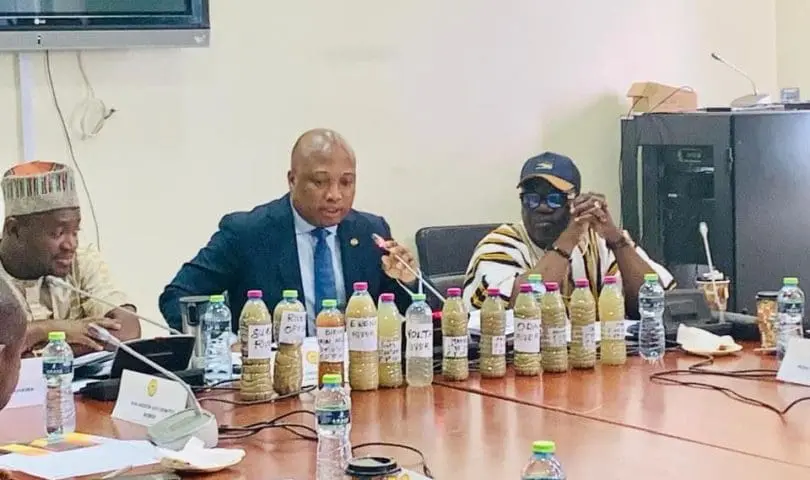

The CEO of the Minerals Commission, Martin Ayisi, has defended the issuance of new licenses to small-scale miners, despite growing concerns from Ghanaians to halt all small-scale and illegal mining operations. Ayisi made his stance clear during a parliamentary hearing, citing that withholding licenses would only exacerbate the problem, as miners would resort to illegal activities.
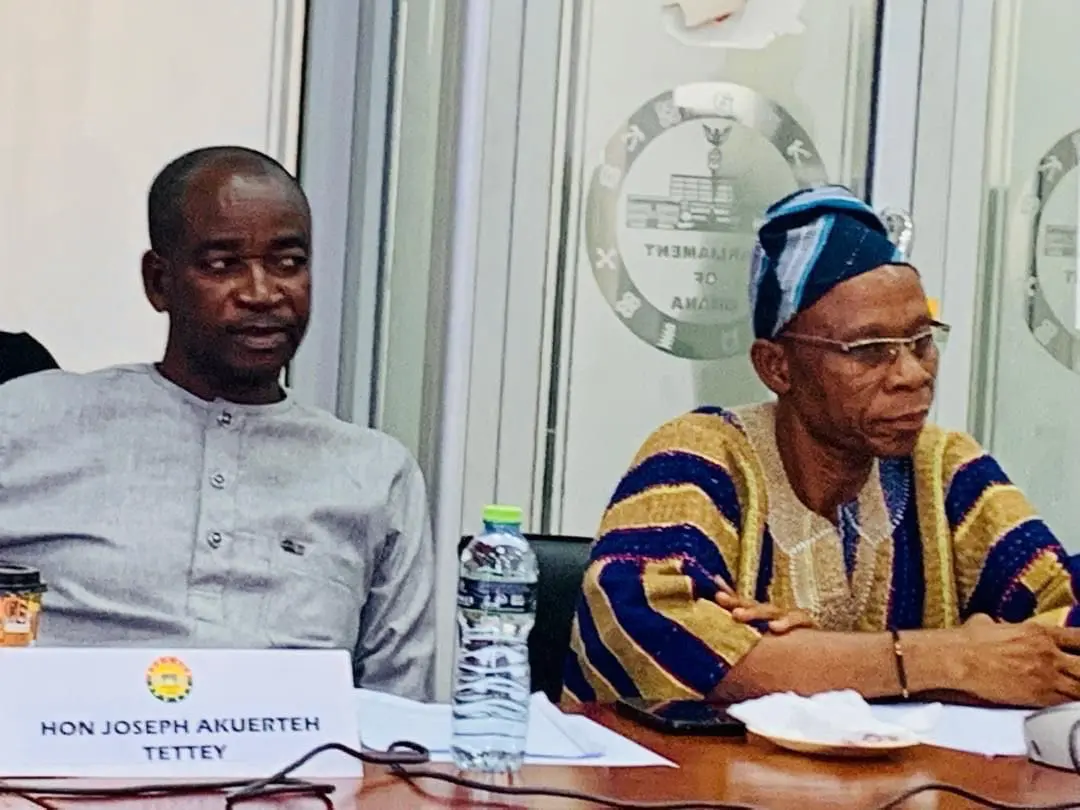
Ayisi emphasized that delayed license issuance has significantly contributed to the illegal mining crisis. He pointed out that in 2018, when the government banned small-scale mining, Ghana saw a record 48% increase in small-scale production, surpassing South Africa. This, he argued, demonstrates the need for regulated licensing.
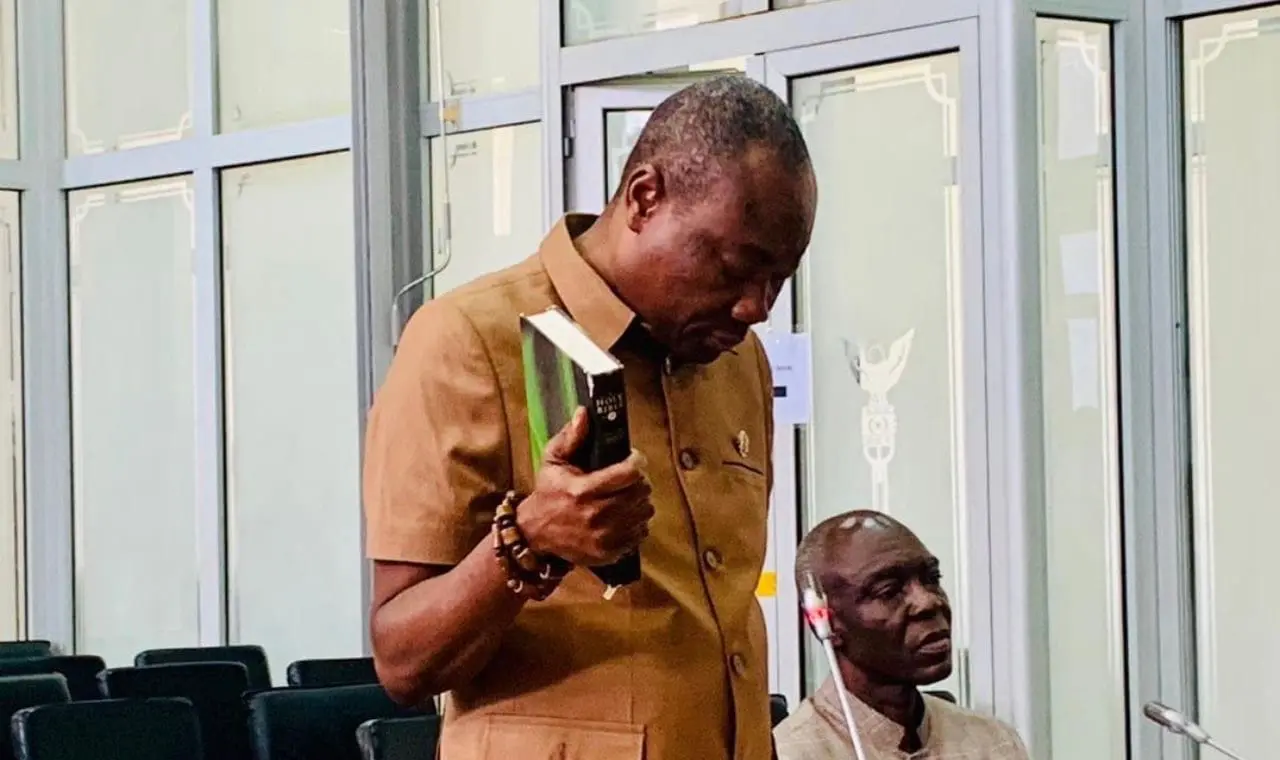
To obtain a small-scale mining license, applicants must go through the Minerals Commission, Environmental Protection Agency, and Forestry Commission, among others. Failure to secure these licenses constitutes illegal mining. The Commission conducts site inspections and reports to District Assemblies to deploy security and arrest illegal miners.
Ayisi stressed that investing in the Geological Surveys Authority is crucial to combating illegal mining. He also warned that mining in river bodies or forest reserves is a criminal offense, and the Commission will not issue licenses that harm the environment.
However, Hon. Samuel Okudzeto Ablakwa, Chairman of the Assurance Committee, raised concerns about Akonta Mines Limited allegedly breaching mining laws and destroying the Samraboi concession. This development has added to the controversy surrounding small-scale mining in Ghana.
The debate highlights the complexities of balancing economic benefits with environmental and social concerns. As Ghana struggles to address illegal mining, the Minerals Commission’s approach will be closely watched.
Ruth Abla ADJORLOLO
