

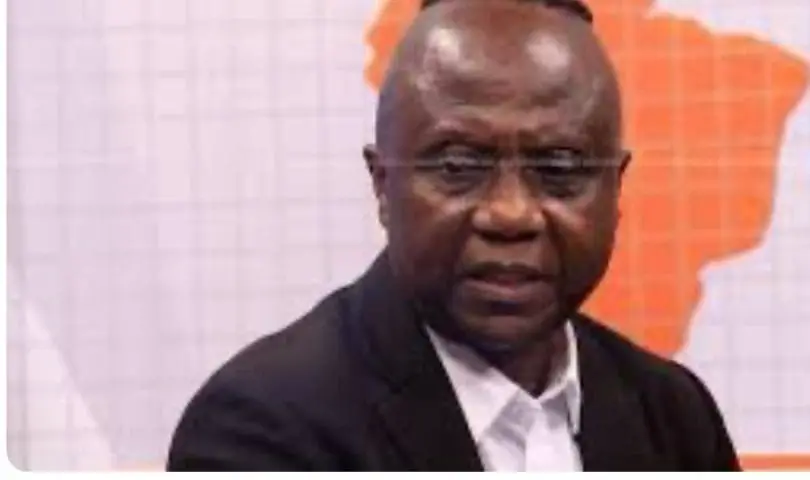

Dr. John Kwakye, Director of Research at the Institute of Economic Affairs (IEA), has expressed concerns over Ghana’s decision to return to the international capital markets, citing the country’s unresolved debt crisis. He argues that with external debt payments suspended, there’s no compelling reason to revisit the international capital markets.
Ghana’s debt crisis is deeply rooted in its history, dating back to colonialism. The country’s economy remains heavily dependent on commodity exports, such as gold, cocoa, and oil, which account for over 80% of its exports. This vulnerability to global commodity price fluctuations has led to significant debt accumulation.
Dr. Kwakye’s concerns are valid, considering Ghana’s debt-to-GDP ratio has increased substantially over the years. The country’s external debt grew from $14.7 billion in 2013 to $21.1 billion in 2016, with debt payments consuming around 30% of government revenue.
To address the debt crisis, Dr. Kwakye suggests that Ghana should focus on balancing its budgets to reduce borrowing. This would require prudent fiscal management, diversification of the economy, and strategic investment in productive sectors.
Ghana’s recent return to the international capital markets follows the successful restructuring of $13 billion in Eurobonds. However, Dr. Kwakye’s call for caution is timely, and policymakers must carefully consider the implications of returning to the international capital markets. By addressing the underlying issues, Ghana can work towards achieving economic stability and reducing its debt burden.
Ruth Abla ADJORLOLO
