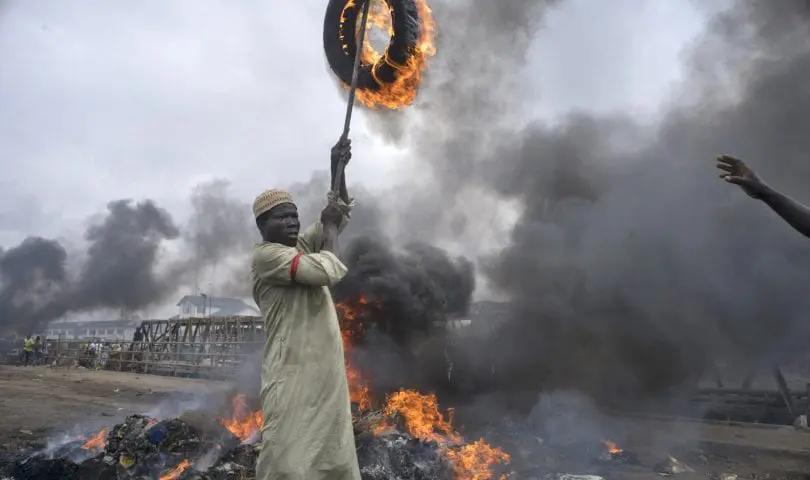

Accra, Ghana — As the political landscape in Kenya experiences a wave of protests and demands for openness, accountability, and economic reforms, Ghana stands at a crossroads. The underlying conditions that have fueled discontent in Kenya are eerily familiar here, raising concerns about the future of our democracy.
Shared Challenges:
- Tax Burden: Just like in Kenya, Ghanaians are grappling with arbitrary tax hikes. The government’s approach to revenue generation has burdened citizens, affecting both low-income workers and businesses. The call for fair taxation policies resonates across borders.
- Utility Bills: Rising utility costs have become a common struggle. Many Ghanaians find themselves stretched thin as electricity, water, and other essential services become increasingly unaffordable. The impact on households and small enterprises is significant.
- Economic Hardship: Ghana, like Kenya, faces economic challenges exacerbated by the global crisis. Job losses, inflation, and reduced purchasing power are pressing issues for ordinary citizens.
- Corruption: A shadow looms over both nations. Corruption erodes public trust, undermines institutions, and stifles development. Whether it’s embezzlement, bribery, or nepotism, addressing corruption is crucial for sustainable progress. The unprecedented corruption in Nana Addo’s government has been a concern with most Ghanaians and the president is virtually doing nothing about it .
Ghana’s Democratic Legacy:
Ghana has long been celebrated as a democratic beacon in West Africa. Since 1992, Ghana have held competitive multiparty elections, witnessed peaceful transfers of power, and upheld civil liberties than any other country in the subregion until Nana Addo came into office . He turned a peaceful country into a dictatorship.
The Rawlings Factor:
The passing of former President Jerry Rawlings, a charismatic leader who oversaw Ghana’s return to multiparty politics, leaves a void. His influence, even posthumously, may shape the upcoming elections. His backing of President Akufo-Addo caused disaffection in the opposition party, impacting voter turnout in opposition strongholds.
Unity and Reform:
As Ghanaians, we must learn from Kenya’s uprising. Our collective voice matters. Let us demand transparency, hold leaders accountable, and work towards economic reforms. Ghana’s stability and progress depend on our active participation and commitment to positive change.
Remember, we stand on the precipice of history. Let’s choose wisely.
Joy Afriyie , special Correspondent,Accra.