

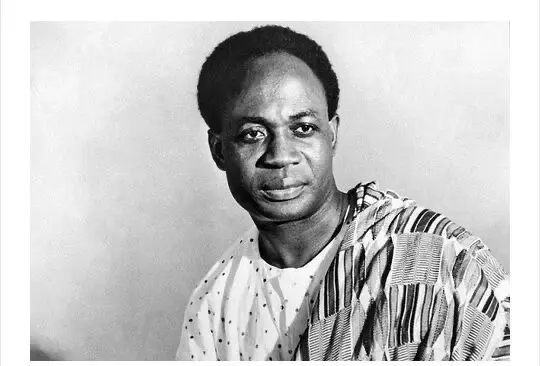

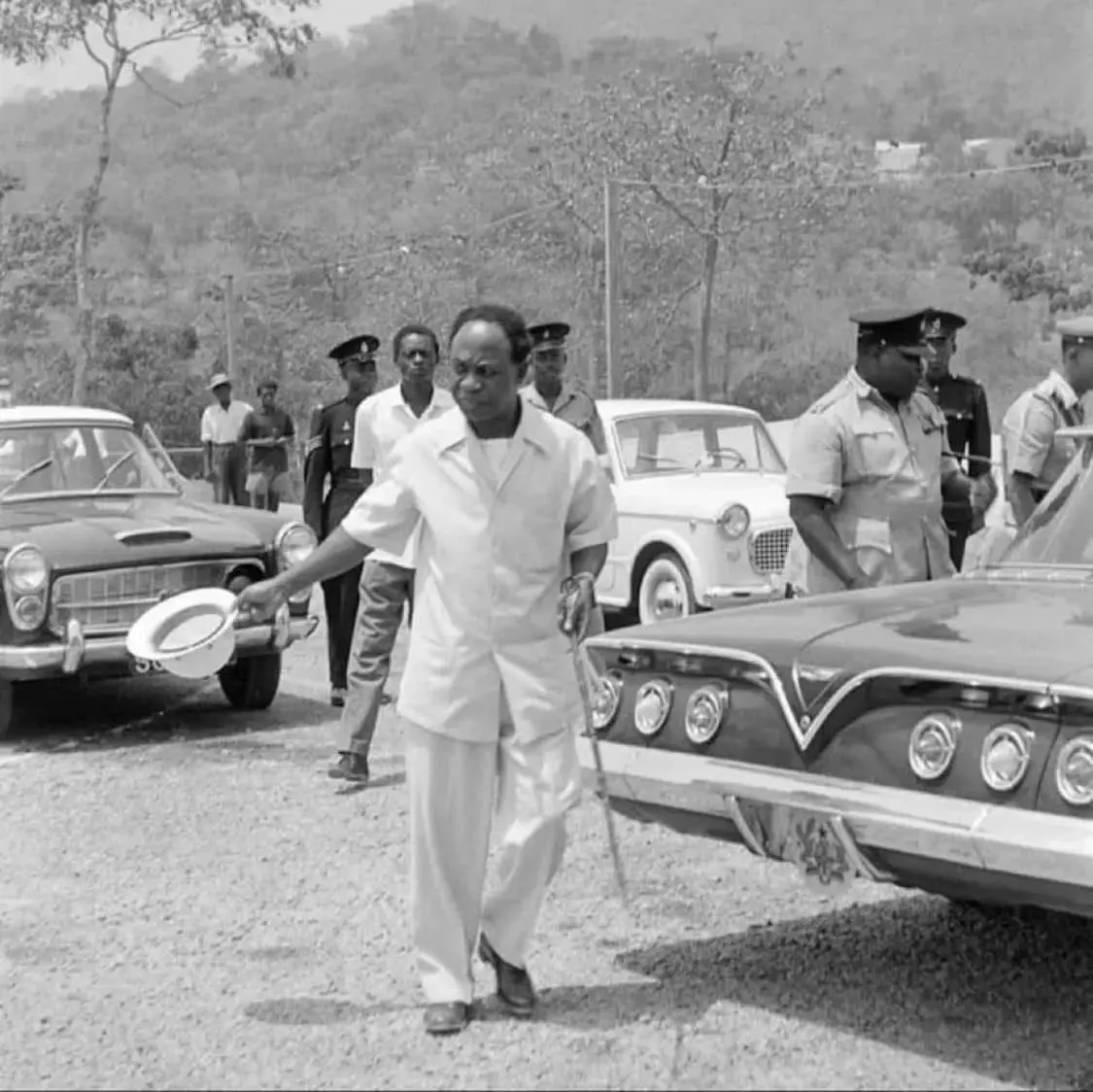
February 24, 1966, marks a somber day in Ghana’s history, as its first president, Osagyefo Dr. Kwame Nkrumah, was overthrown in a military coup. This pivotal event not only altered the country’s trajectory but also left an indelible mark on the pan-African movement.
Nkrumah’s rise to power was nothing short of remarkable. As a key figure in the United Gold Coast Convention (UGCC), he championed the cause of independence, eventually breaking away to form the Convention People’s Party (CPP). His charismatic leadership and unwavering dedication to Ghana’s freedom earned him the admiration of his people.
As president, Nkrumah embarked on an ambitious program to industrialize and modernize Ghana. His government invested heavily in education, healthcare, and infrastructure development, transforming the country into a beacon of hope for African nations.
However, Nkrumah’s authoritarian tendencies and suppression of opposition ultimately contributed to his downfall. The coup, led by the National Liberation Council, marked the end of Nkrumah’s presidency and his vision for a unified Africa.
In the years following his ouster, Nkrumah lived in exile, first in Guinea and later in Romania, where he passed away in 1972. Despite the controversy surrounding his presidency, Nkrumah’s legacy as a champion of African unity and self-determination remains unparalleled.
Today, Ghanaians remember Nkrumah with a mix of joy and sadness – joy for the progress he brought, and sadness for the untimely interruption of his vision. As one reflects on his life and times, it becomes clear that Nkrumah’s impact on Ghana and the African continent will continue to be felt for generations to come.
Ruth Abla ADJORLOLO
