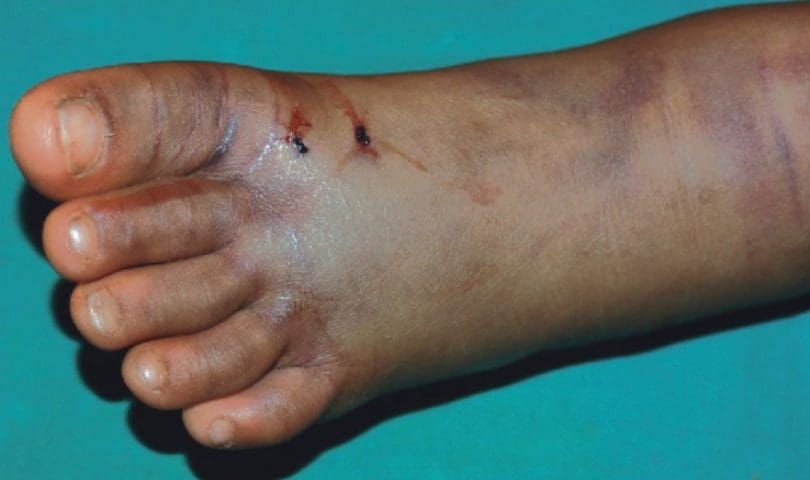

Snakebites are a hidden health crisis affecting millions in tropical and subtropical regions, particularly in Africa, Asia, and Latin America. Every year, up to 2 million people in Asia and between 435,000 to 580,000 in Africa suffer from venomous snake bites, with devastating consequences.
The most vulnerable are women, children, and farmers in poor rural communities, where healthcare systems are weakest. Venomous snakebites can cause severe paralysis, bleeding disorders, kidney failure, and permanent disability.
Children are disproportionately affected due to their smaller body mass. However, a highly effective treatment exists – high-quality snake antivenoms. Despite being included in the World Health Organization’s (WHO) essential medicines list, access to these life-saving treatments remains limited.
Manufacturing challenges, regulatory capacity issues, and inadequate distribution policies have led to a crisis in antivenom availability. Weak health systems, lack of data, and poor geographical access to healthcare further exacerbate the problem.
Under-reporting of snakebite incidents and mortality is rampant. In Nepal, official figures vastly underestimated the actual burden, while in India, revised estimates suggest over 1.2 million deaths from snakebite envenoming between 2000-2019.
The WHO has taken decisive action, listing snakebite envenoming as a highest-priority neglected tropical disease in 2017. A strategic roadmap aims to reduce mortality and disability by 50% by 2030 through community engagement, safe treatment, strengthened health systems, and increased partnerships.
WHO urges collaboration among regulators, producers, researchers, clinicians, and health authorities to improve epidemiological data, regulatory control, and distribution policies. New tools, such as guidelines for antivenom production and a Snakebite Information and Data Platform, will support public health officials, regulators, manufacturers, and clinicians.
As the global community rallies to address this neglected epidemic, increased awareness and action are crucial to saving lives and preventing suffering from snakebites.
WHO/Ruth Abla ADJORLOLO