

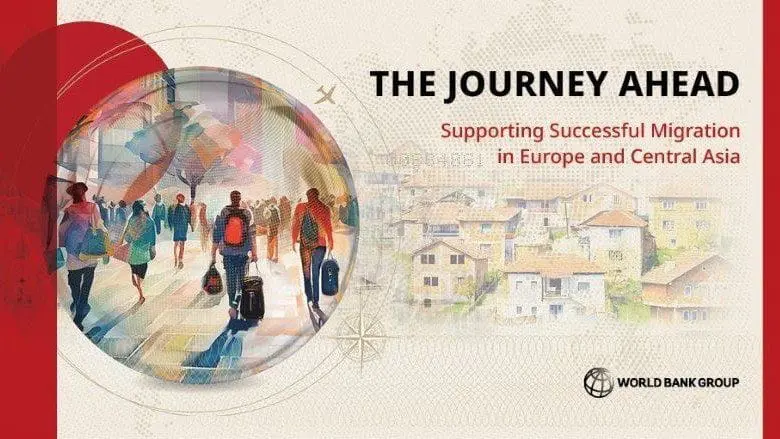

The World Bank’s latest report, “The Journey Ahead: Supporting Successful Migration in Europe and Central Asia,” sheds light on the complex and evolving landscape of migration in the region. With 100 million migrants calling Europe and Central Asia home, accounting for one-third of the world’s migration population, the stakes are high.
Migration is driven by a range of factors, including income gaps, demographic shifts, climate change, and conflict. As these pressures continue to build, migration patterns are set to rise globally. However, if managed effectively, migration can be a powerful force for good, helping to address sociodemographic imbalances and drive economic growth.
The report highlights the need for tailored, evidence-based policies that promote safe and orderly cross-border movements. By distinguishing between different types of migration, policymakers can develop targeted responses that meet the distinct needs of high-skilled and low-skilled migrants.
To maximize the benefits of migration, the report recommends a range of policy reforms. These include making labor migration part of policymakers’ broader competitiveness strategy, transforming “brain drain” into “brain gain” by making migration an explicit development policy, and strengthening frameworks for safer formal migration.
By adopting these policies, countries in Europe and Central Asia can unlock the full potential of migration, driving economic growth, reducing poverty, and promoting social cohesion. As the World Bank’s report makes clear, managed well, migration can work for everyone involved – countries of origin, destination countries, and migrants themselves.
Ruth Abla ADJORLOLO
