

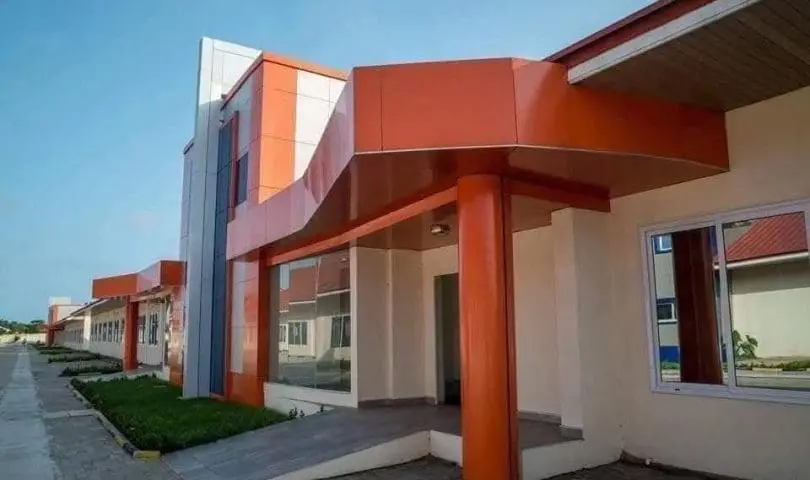

Ghana’s former President, John Dramani Mahama, has left an indelible mark on the country’s digital landscape. His government’s implementation of ICT programs and projects has not only survived his tenure but continues to drive Ghana’s development.
Mahama’s vision for a digital economy is built on two key components: digital infrastructure and digital applications. During his presidency, he invested heavily in building a robust digital infrastructure, including a 1000km rural fiber network, a 300km metro fiber network, and an LTE/4G network with over 119 base stations.
These digital interventions have made life more convenient for millions of Ghanaians, enabling critical services to reach remote and underserved communities. The digital infrastructure has also enhanced productivity and improved working environments in both the public and private sectors.
Some notable achievements of Mahama’s digital legacy include:
- Establishing a National Emergency Call Number: The 112 emergency call number has responded to over two million calls since its inception in 2020.
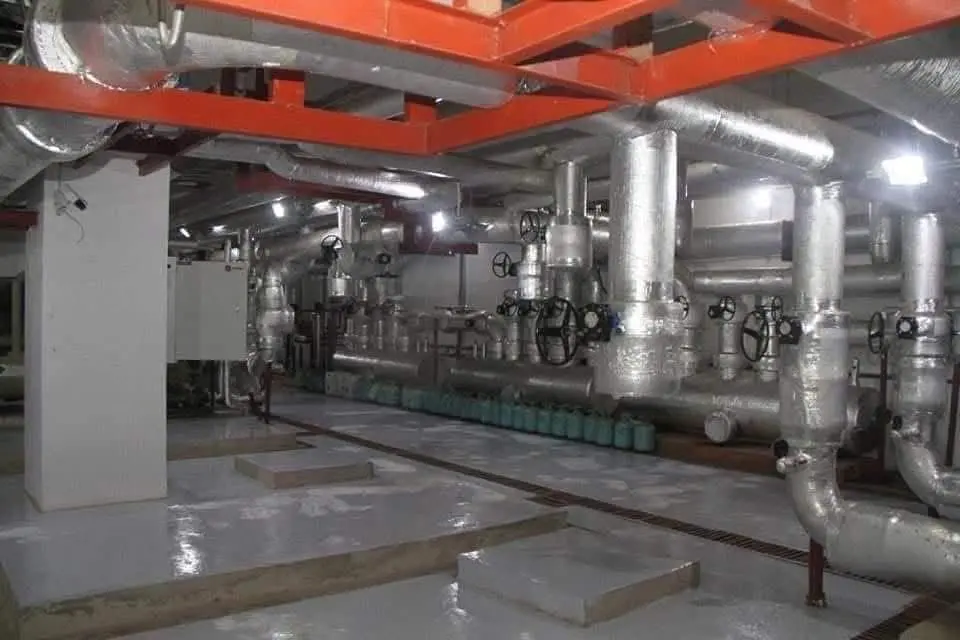
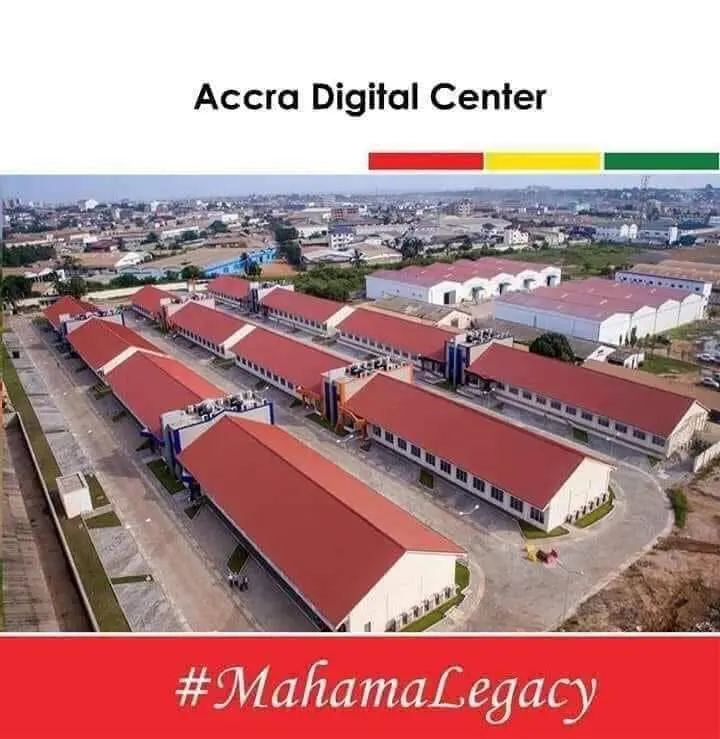
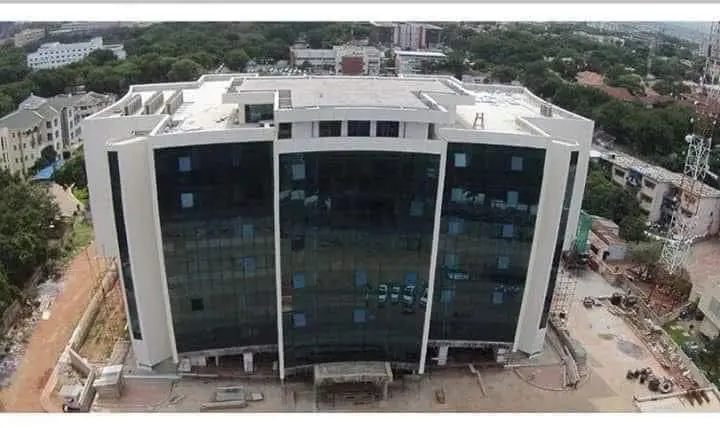
- Developing a National Data Center: The data center provides secure data storage, web hosting, and cybersecurity services, protecting the data of Ghanaian citizens.
- Automating Public Services: The eTransform ICT project has enhanced e-governance initiatives, including e-justice, e-procurement, and e-health.
- Improving Digital Literacy: The construction of enhanced Community Information Centers has bridged the digital divide and improved digital competencies among Ghana’s youth.
Mahama’s commitment to digitalization has positioned Ghana as a leader in West Africa’s digital economy. His legacy serves as a testament to the transformative power of technology in driving economic growth and development.
John Mahama’s digital applications record is truly impressive. His government’s integration of digital applications into private and public business processes has achieved greater efficiency, timely, and effective service delivery to citizens.
E-Commerce Initiatives
Mahama’s E-Commerce initiatives can be grouped into three main categories:
- Government to Government (G2G): This includes 24/7 broadband internet access for all Metropolitan, Municipal, and District Assemblies (MMDAs), automation of government agencies, web hosting, domain registration, and email services for government entities.
- Government to Citizens (G2C): This initiative, known as E-Services, provides a one-stop shop for citizens to apply for basic services online, such as passports, birth certificates, and driver’s licenses.
- Government to Business (G2B): This initiative aims to enhance the capacity of telecommunications companies (Telcos) through digital infrastructure.
E-Government Initiatives
Mahama’s E-Government initiatives, in collaboration with the World Bank, include:
- E-Workspace: A paperless governance system that improves data access, increases productivity, and ensures transparency and accountability.
- E-Health: A pilot project launched in 2016 in four hospitals, aimed at improving healthcare delivery through digital technology.
- E-Cabinet: An automation of cabinet activities, allowing ministers to file and digitize records, and manage meetings online.
- E-Justice: A project that aims to reduce the cost of justice delivery, speed up court proceedings, and provide easier access to information.

Ruth Abla ADJORLOLO
