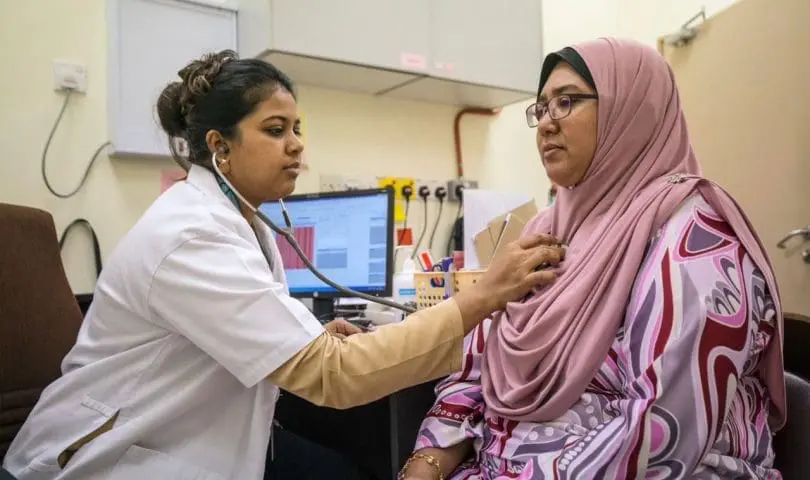

Lung cancer is the deadliest form of cancer, accounting for the highest mortality rates among both men and women globally. Smoking is the primary cause of lung cancer, responsible for approximately 85% of all cases. However, early detection and treatment can significantly improve survival rates.
The World Health Organization (WHO) recognizes the significant impact of lung cancer on global health and has implemented initiatives to address the disease comprehensively. These initiatives focus on tobacco control, cancer prevention, early detection, and improving access to quality treatment and care.
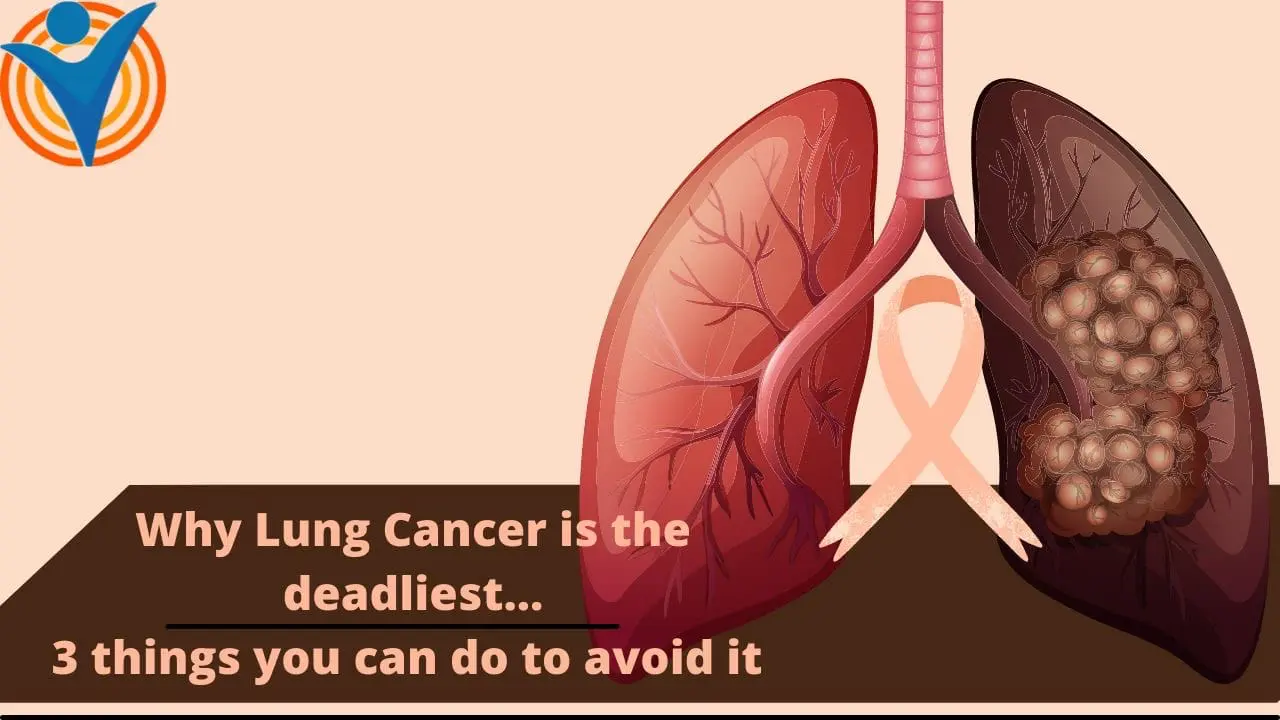
Primary prevention measures, such as tobacco control and reducing exposure to environmental risk factors, can reduce the incidence of lung cancer and save lives. Screening high-risk individuals has the potential to allow early detection and dramatically improve survival rates.
Treatment options depend on the type of cancer, how much it has spread, and the person’s medical history. Early detection of lung cancer can lead to better treatments and outcomes.
WHO supports countries in implementing evidence-based tobacco control policies, promoting cancer prevention strategies, and encouraging early detection programs. The organization also works towards ensuring access to quality treatment and care for lung cancer patients.
By addressing lung cancer through comprehensive measures, we can reduce the significant burden of this disease on global health.
WHO/Ruth Abla ADJORLOLO