

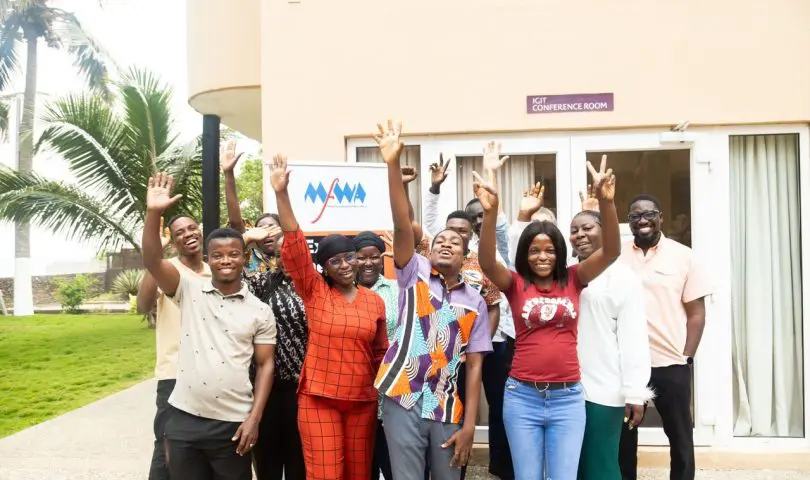

ACCRA, GHANA – A sustained investigative journalism campaign by The Fourth Estate, a public-interest project of the Media Foundation for West Africa (MFWA), has led to a major corruption scandal prosecution in Ghana and significantly improved compliance with asset declaration laws. This success comes amidst ongoing challenges to media freedom across West Africa, as highlighted by the MFWA’s recent reports.
Ghana’s Attorney General and Minister of Justice recently announced the conclusion of investigations into a corruption scandal exposed by The Fourth Estate, which cost the nation over GHC 548 million (approximately US $50 million).
The Attorney General’s office is set to prosecute 12 individuals and nine companies in connection with the scandal, with the Attorney General commending The Fourth Estate for its “excellent foundational work.”
Beyond this specific case, The Fourth Estate’s persistent focus on asset declaration laws has, for the first time since 2013, resulted in nearly every appointee under the current Ghanaian administration complying with the requirement to declare their assets before and after taking office.
The project has also produced extensive investigative reports on illegal mining devastating Ghana’s forest reserves, contributing to government action to protect these critical areas.
Furthermore, the MFWA successfully advocated for the arrest and prosecution of political actors who attacked Ghanaian journalist Latif Iddrisu while he was covering a story.
Despite these impactful achievements, media freedom in West Africa continues to face significant hurdles. Guinea-Bissau is experiencing a shrinking civic space with alarming patterns of repression against journalists and dissent. In Benin, digital activist Steve Amoussou was sentenced to two years in prison and fined CFA 2 million (USD 3,500) for “politically motivated insult” and “spreading false information” related to a critical Facebook page.
In Ghana, beyond the attack on Latif Iddrisu, a judge issued an injunction on a yet-to-be-written story, effectively imposing prior censorship on a journalist investigating alleged unethical practices and conflicts of interest.
In response to these challenges, the MFWA is actively engaged in various initiatives.
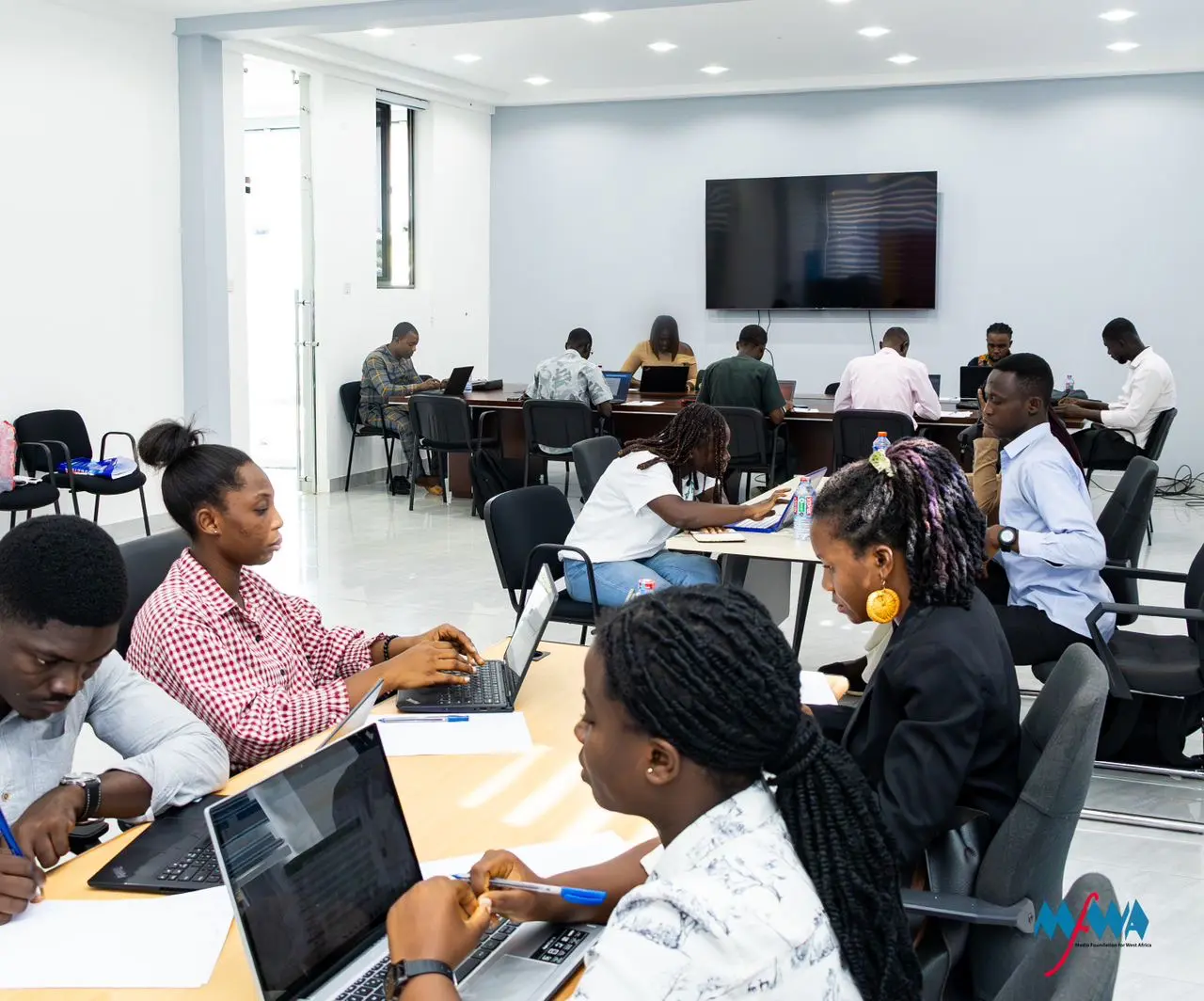
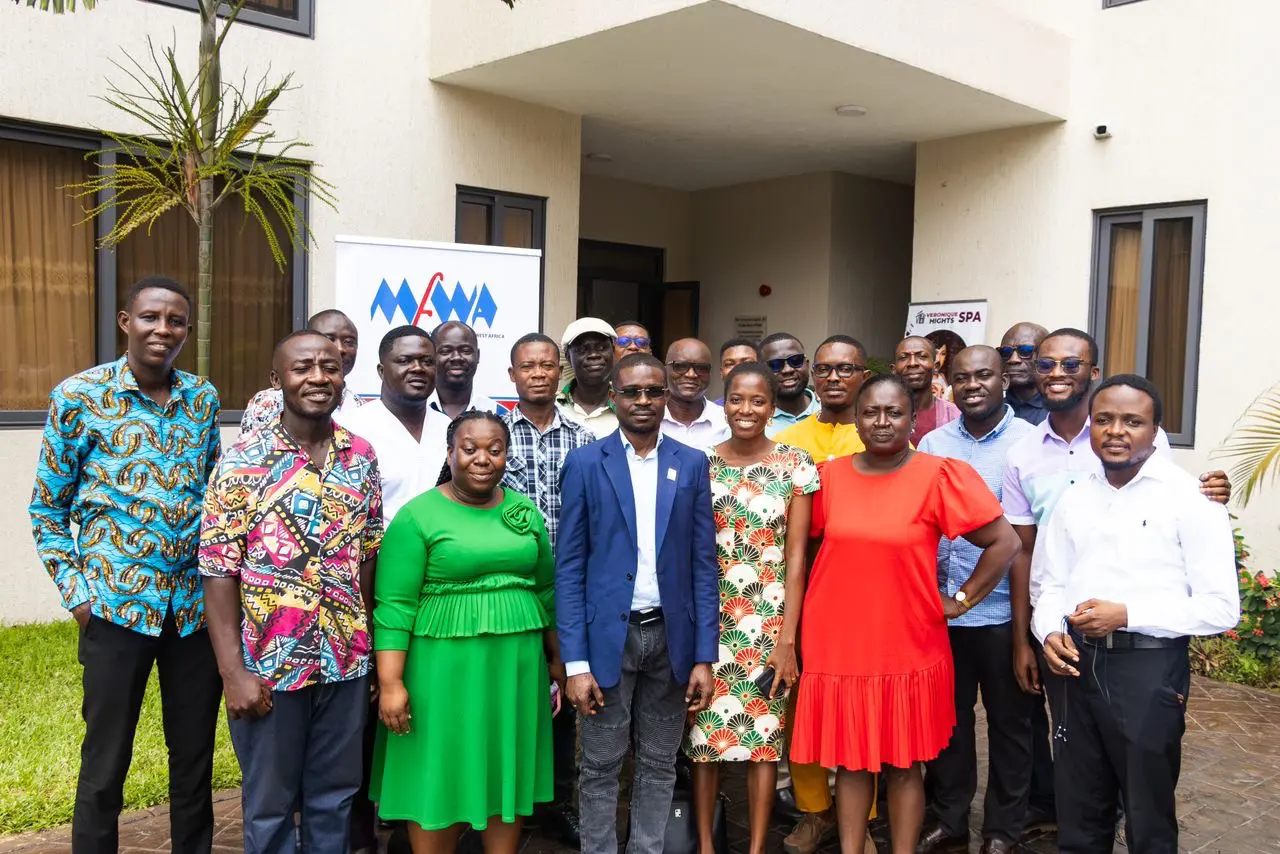
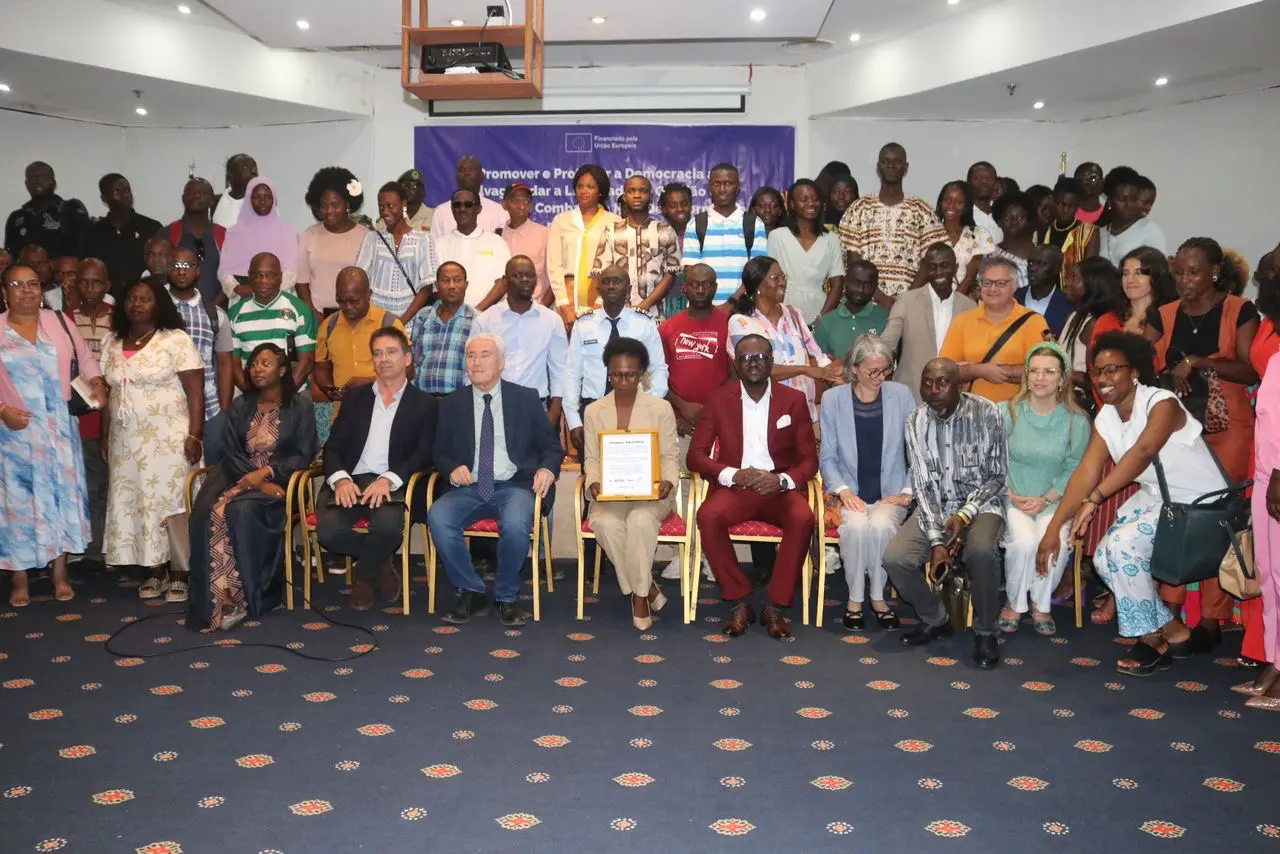
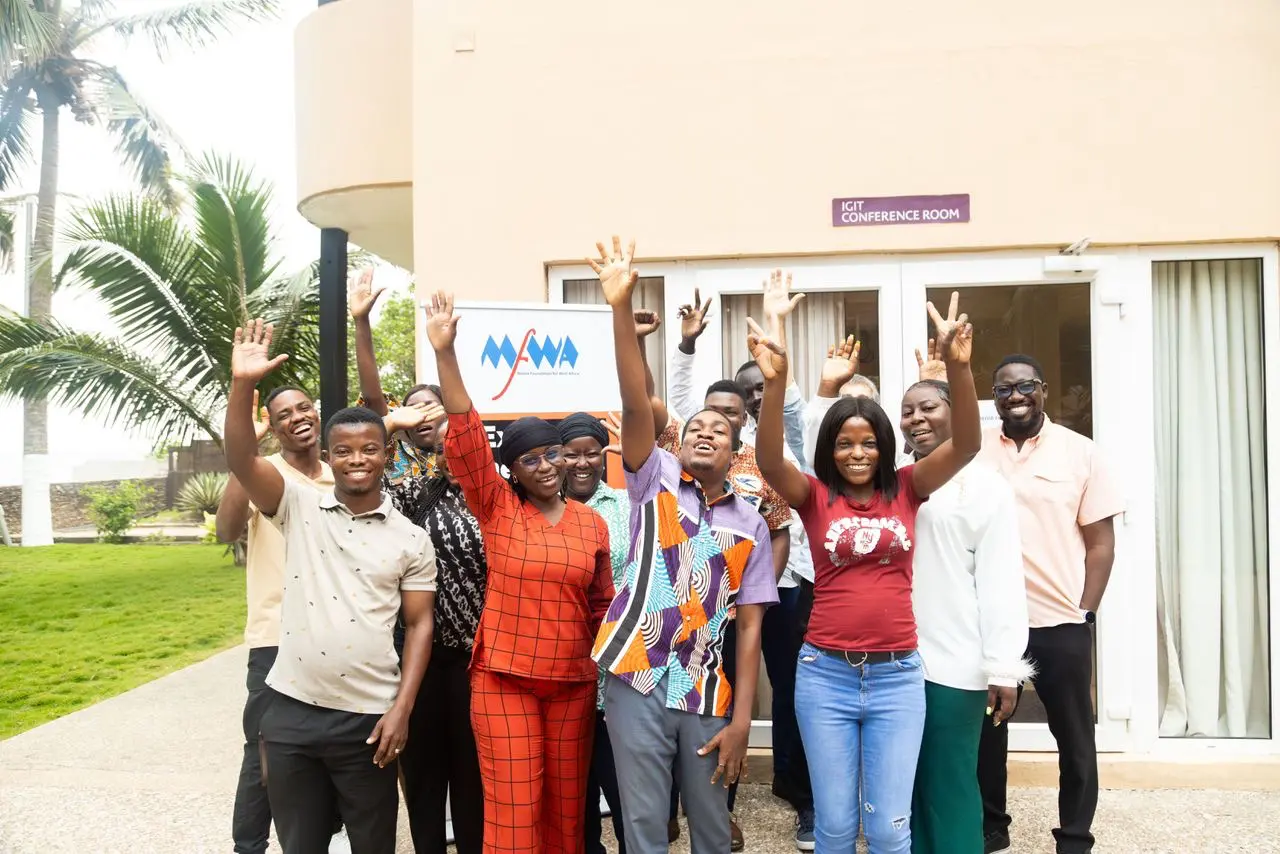
On May 26, the organization launched an EU-funded project in Guinea-Bissau to combat threats to press freedom and disinformation. They also recently concluded a national training series in Ghana on illicit financial flows and progressive taxation, equipping 80 journalists to investigate how tax policy and illicit flows impact public services. A year-long project supported by the Thomson Reuters Foundation is also underway to strengthen investigative journalism on illicit financial flows in Ghana, Kenya, and Tanzania, including a three-day training workshop held from May 28 to 30, 2025, for Ghanaian journalists.
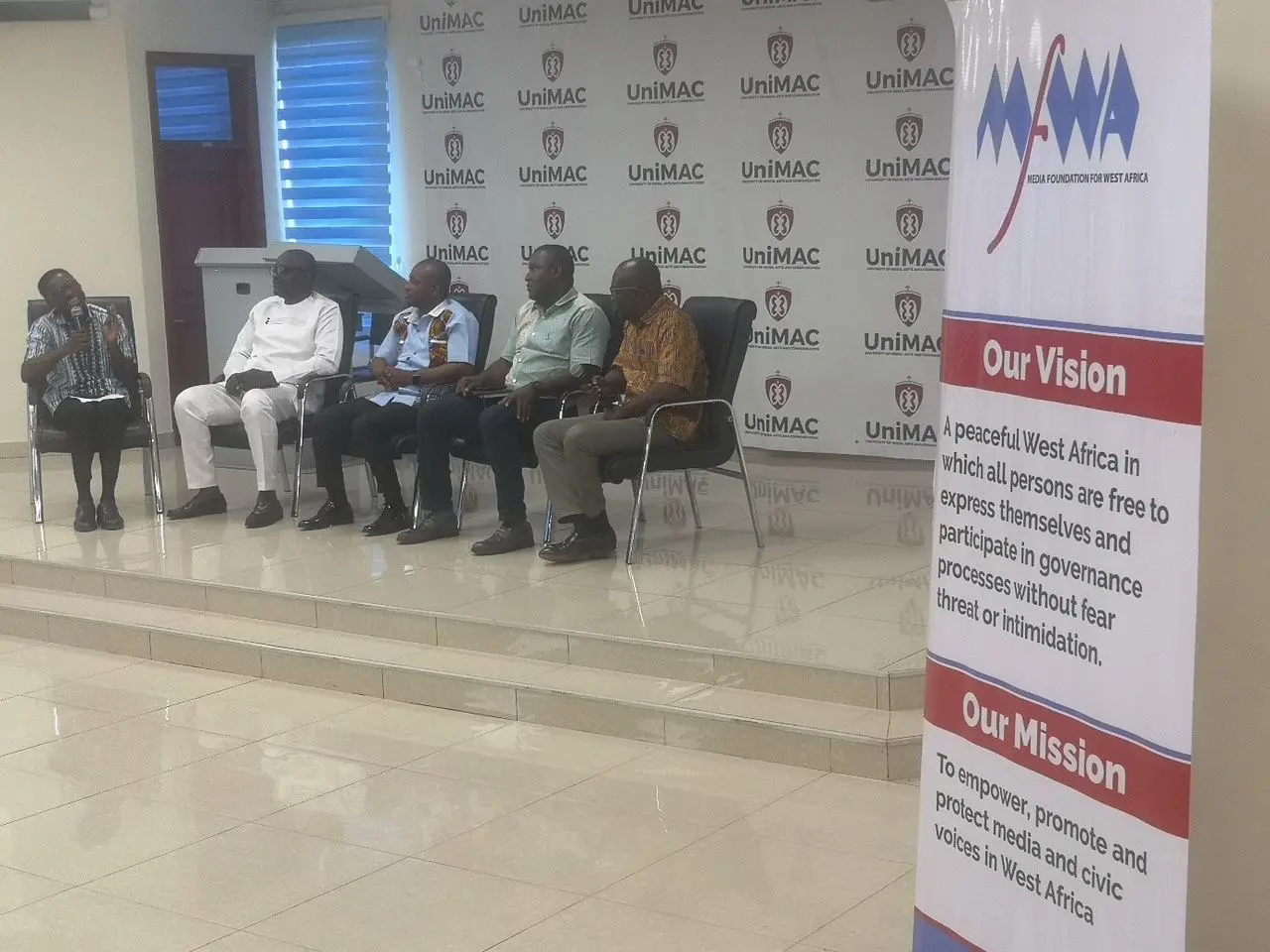
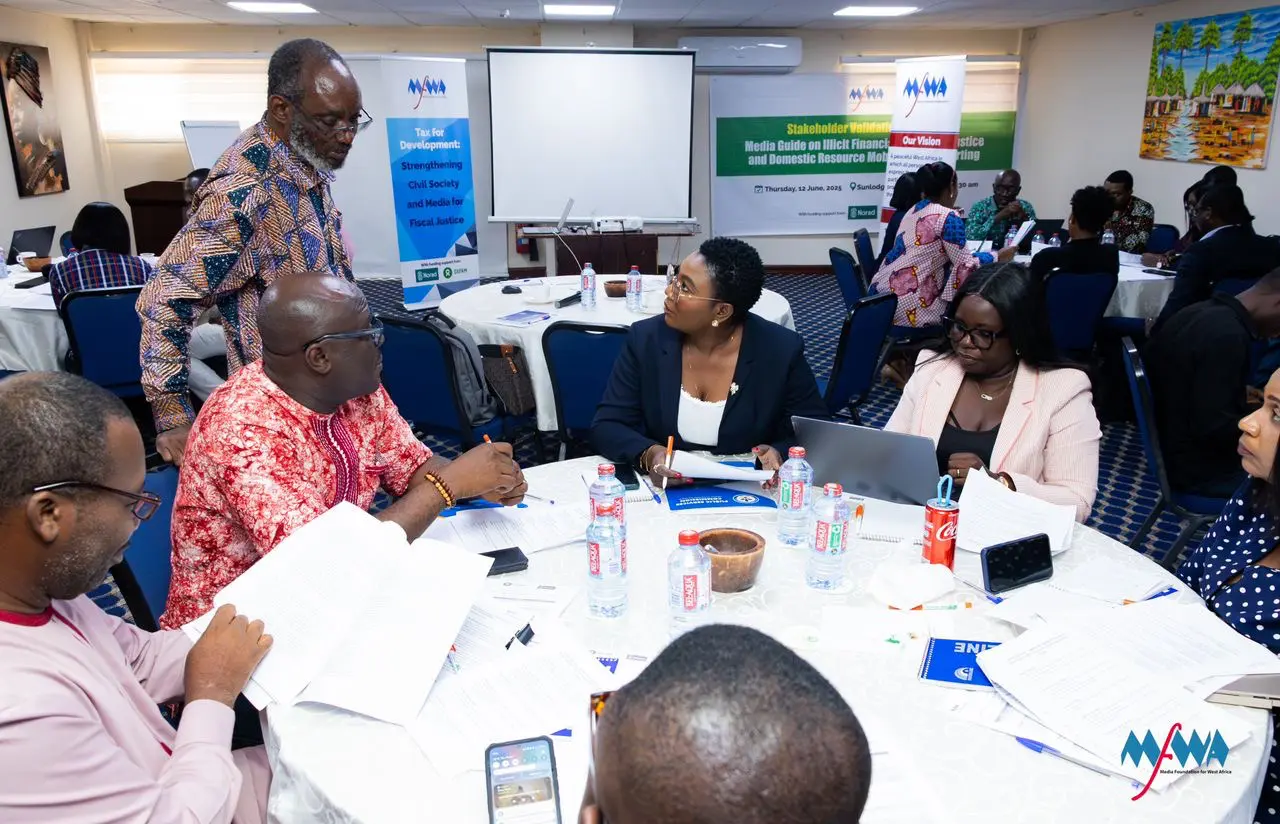
The MFWA further convened a stakeholder meeting to review a draft media guide on Illicit Financial Flows, Tax Justice, and Domestic Resource Mobilisation Reporting, supported by NORAD through Oxfam in Ghana. On May 28, in partnership with Global Network Initiative and Global Partners Digital, the MFWA hosted a workshop in Accra to shape Ghana’s engagement in global digital governance ahead of the WSIS+20 review.
Looking ahead, the West Africa Media Excellence Conference and Awards (WAMECA) 2025 has received 793 entries from journalists across West Africa. The theme for this year’s WAMECA is “Journalism and Digital Public Infrastructure (DPI) in Africa,” highlighting the intersection of digital infrastructure, media, governance, and development.
The MFWA also marked World Environment Day on June 5, 2025, with a seminar focusing on environmental journalism’s role in addressing illegal mining and plastic pollution in Ghana. The 2025 Next Generation Investigative Journalism (NGIJ) Fellowship on Illicit Financial Flows also commenced on May 29 with an entrance exam for shortlisted applicants.
The Fourth Estate has continued its impactful investigative work, uncovering how numerous government-awarded water projects in northern Ghana remain incomplete despite contracts, leaving communities without access to water. Another investigation reveals residents of Jomoro in Ghana’s Western Region facing displacement due to a $60 billion petroleum hub project, accompanied by allegations of fraud and land disputes.
The Fourth Estate has also taken Ghana’s RTI Commission to court over Parliament’s refusal to disclose expenses on foreign medical trips, contrasting with the Presidency’s transparency on similar figures. Furthermore, Fact-Check Ghana, the MFWA’s fact-checking project, has verified claims surrounding the alleged transformative leadership of Ibrahim Traoré in Burkina Faso.
The MFWA is scheduled to mark International Day for Countering Hate Speech on June 18 with a focus on empowering youth. On June 26, the organization will host a National Forum titled “Hidden Riches, Hollow Laws; dissecting the loopholes that fuel corruption in Ghana,” a joint event supported by the Thomson Reuters Foundation and Oxfam in Ghana.

Sankofaonline
