Over One Hundred (100) governments in a groundbreaking move, have committed to ending childhood violence, with nine countries vowing to ban corporal punishment, a practice that affects three out of every five children in their own homes. This landmark agreement was reached at a conference in Bogotá, Colombia, where governments, along with the World Health Organization (WHO), UNICEF, and the United Nations, aim to protect children from all forms of violence, exploitation, and abuse.
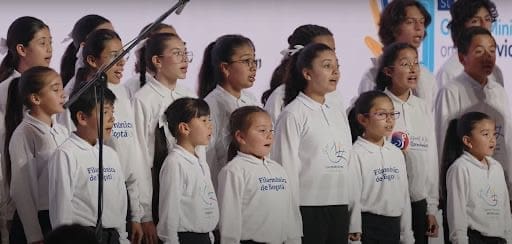
More than 1 billion children worldwide, aged 2-17, experience some form of violence each year, including child maltreatment, bullying, physical or emotional abuse, and sexual violence. This shocking reality has devastating and long-lasting consequences, including anxiety, depression, and reduced academic achievement. Every 13 minutes, a child or adolescent dies as a result of homicide, accounting for around 40,000 preventable deaths annually.
Dr. Tedros Adhanom Ghebreyesus, WHO Director-General, emphasized that “violence remains a horrific day-to-day reality for millions of children around the world – leaving scars that span generations.” However, he noted that the pledges made today “could finally turn the tide on childhood violence.”
Countries have committed to implementing proven solutions, such as parenting support, school-based interventions, child-friendly social and health services, and laws prohibiting violence against children. Research shows that effectively implementing these strategies can reduce violence against children by 20-50%.
Some notable pledges include:
- Eight countries committing to legislation against corporal punishment in all settings
- Dozens of countries investing in parenting support
- The UK launching a Global Taskforce on ending violence in and through schools
- Tanzania introducing Child Protection Desks in all 25,000 schools
- Spain pursuing a new digital law to promote digital safety
- Solomon Islands raising the age of marriage from 15 to 18
These historic commitments mark a crucial step towards protecting children’s rights and ensuring their safety and well-being.
WHO/Ruth Abla ADJORLOLO