


By Dr. Jonathan Atsitsogbui
High blood pressure, also known as hypertension, is often referred to as the “silent killer” because it typically has no symptoms until it causes significant health problems. This condition occurs when the force of blood against the artery walls is consistently too high, leading to various health complications, including stroke, heart disease, and kidney problems.
Advertisement:
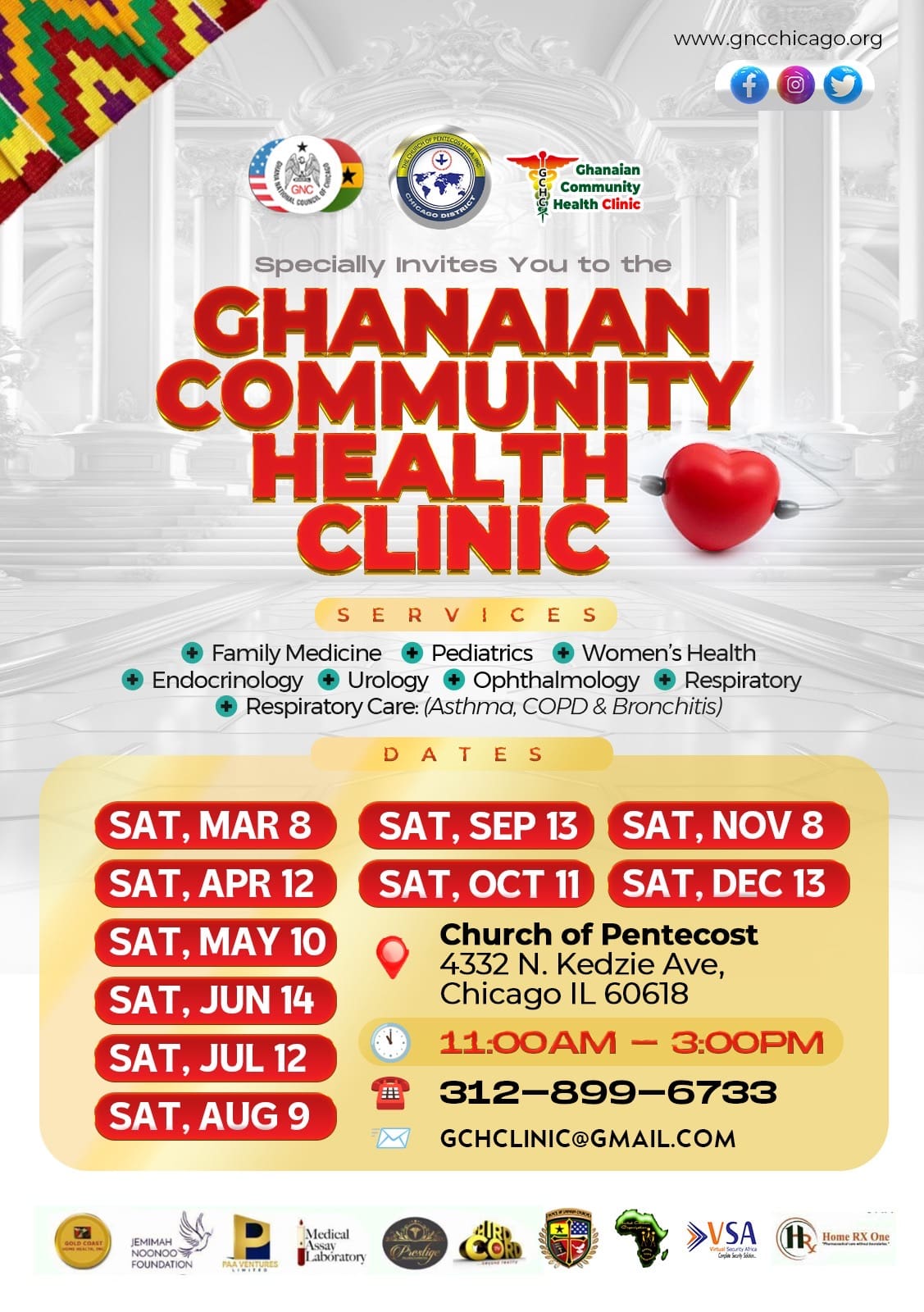
Causes of High Blood Pressure
Several factors contribute to the development of high blood pressure, including:
- Genetics: A family history of hypertension increases the risk.
- Diet: High intake of salt, fat, and cholesterol can elevate blood pressure.
- Physical Inactivity: Lack of exercise contributes to weight gain and high blood pressure.
- Stress: Chronic stress can cause temporary spikes in blood pressure.
- Smoking and Alcohol: Both can damage the cardiovascular system, leading to hypertension.
Effects of High Blood Pressure
The impact of high blood pressure on the body can be profound and long-lasting:
- Heart Disease: Hypertension can lead to coronary artery disease, heart failure, and other cardiac issues.
- Stroke: Elevated blood pressure can cause the blood vessels in the brain to burst or become blocked, leading to a stroke.
- Kidney Damage: The kidneys’ ability to filter blood can be impaired, resulting in kidney disease or failure.
- Vision Loss: High blood pressure can damage the blood vessels in the eyes, leading to vision problems or blindness.
Preventive Measures for Stroke and Other Blood Pressure Effects
Taking steps to manage blood pressure can prevent the severe consequences associated with hypertension:
- Healthy Diet: Opt for a diet rich in fruits, vegetables, whole grains, and lean proteins. Reduce salt, sugar, and unhealthy fats.
- Regular Exercise: Aim for at least 150 minutes of moderate exercise or 75 minutes of vigorous exercise per week.
- Stress Management: Practice relaxation techniques such as meditation, deep breathing, or yoga.
- Avoid Smoking and Limit Alcohol: Quit smoking and consume alcohol in moderation.
- Regular Check-ups: Monitor your blood pressure regularly and consult your physician for personalized advice.
Blood Pressure Chart According to Age
| AGE | Minimal | Normal | Maximum |
|---|---|---|---|
| 1 to 12 months | 75/50 | 90/60 | 110/75 |
| 1 to 5 years | 80/55 | 95/65 | 110/79 |
| 6 to13 years | 90/60 | 105/70 | 115/80 |
| 14 to 19 years | 105/73 | 117/77 | 120/81 |
| 20 to 24 years | 108/75 | 120/79 | 132/83 |
| 25 to 29 years | 109/76 | 121/80 | 133/84 |
| 30 to 34 years | 110/77 | 122/81 | 134/85 |
| 35 to 39 years | 111/78 | 123/82 | 135/86 |
| 40 to 44 years | 112/79 | 125/83 | 137/87 |
| 45 to 49 years | 115/80 | 127/84 | 139/88 |
| 50 to 54 years | 116/81 | 129/85 | 142/89 |
| 55 to 59 years | 118/82 | 131/86 | 144/90 |
| Over 60 years | 121/83 | 134/87 | 147/91 |
Maintaining awareness of your blood pressure and making lifestyle changes can significantly reduce the risk of hypertension-related complications. Remember, it’s essential to consult your physician regularly to ensure your health and well-being. Your health is a journey, and taking proactive steps today can lead to a healthier, happier tomorrow.