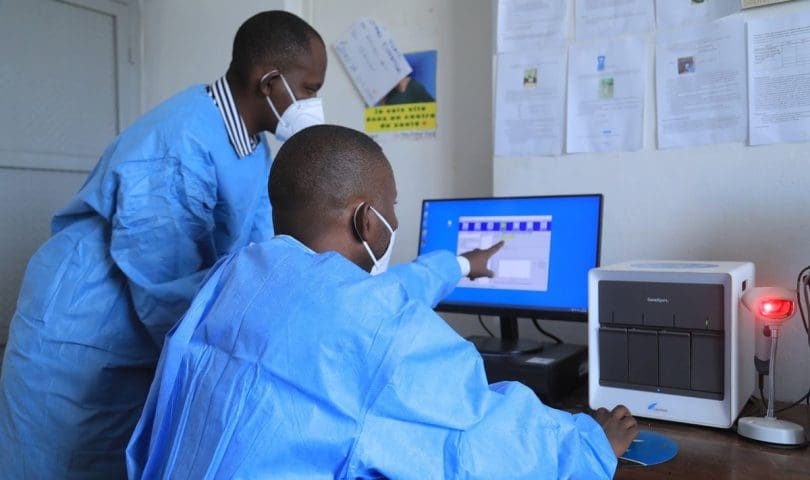

Accra, Ghana – The World Health Organization (WHO), Africa Centres for Disease Control and Prevention (Africa CDC), Robert Koch Institute (RKI), and the governments of Canada and the United Kingdom today announced the expansion of the Health Security Partnership to Strengthen Disease Surveillance in Africa (HSPA) to a total of seven countries on the continent. This initiative aims to enhance Africa’s capacity to detect and respond to public health threats, recognizing that the continent experiences more disease outbreaks than any other region globally.
The HSPA, initially launched in 2023 across The Gambia, Mali, Morocco, Namibia, South Africa, and Tunisia, will now include Rwanda in its second phase, which runs from 2025 to 2028. At its core, the partnership employs a collaborative surveillance approach, bridging health and security sectors to mitigate biological risks and fortify national and international surveillance systems against natural, accidental, or deliberate threats. This effort aligns with the health security objectives of the Global Partnership Against the Spread of Weapons and Materials of Mass Destruction and the Signature Initiative to Mitigate Biological Threats in Africa (SIMBA).
Dr. Chikwe Ihekweazu, Acting WHO Regional Director for Africa and Deputy Executive Director of the WHO Health Emergencies Programme, emphasized the significance of HSPA in fostering stronger health security partnerships across Africa. He stated that the initiative supports countries in strengthening Collaborative Surveillance through mutual exchange and practical action, reiterating WHO’s commitment to well-coordinated, responsive, and nationally prioritized collective efforts. The partnership assists countries in building capacities in biorisk management, event and indicator-based surveillance, genomic surveillance, and epidemic intelligence through training, guidance development, and hands-on technical assistance.
Dr. Raji Tajudeen, Acting Deputy Director General and Head of the Division of Public Health Institutes and Research at Africa CDC, highlighted that Africa CDC will work with Member States to mobilize political will for biosecurity and surveillance, establish regional frameworks for bio-surveillance of high-consequence biological agents and toxins, and coordinate event-based surveillance.
He underscored the crucial role of collaboration among partners and coordination with Member States, especially given resource limitations, to enhance the continent’s capacity for early detection, response, and management of biological threats. The HSPA initiative has been supported from its inception by the Government of Canada’s Weapons Threat Reduction Program, with additional funding for phase two provided by the Government of the United Kingdom, aiming to accelerate implementation for a healthier, safer, and more resilient Africa.
Sankofaonline