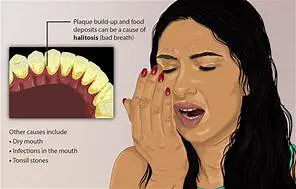

Halitosis, commonly known as bad breath, is an embarrassing issue. While occasional bad breath is normal (especially after consuming certain foods such as garlic or onions), chronic halitosis often signals an underlying oral health problem or a condition affecting other parts of your body.
Common Causes of Halitosis:
- Poor Oral Hygiene: Inadequate brushing, flossing, and routine dental cleanings allow harmful bacteria to multiply in your mouth, leading to bad breath, cavities, and gum disease.
- Dry Mouth (Xerostomia): Saliva helps cleanse the mouth, so insufficient saliva production can contribute to halitosis. Smoking and certain medications can cause dry mouth.
- Head and Neck Cancers: Symptoms of oral or oropharyngeal cancer include unhealed sores, mouth pain, difficulty swallowing, neck lumps, and unexplained weight loss.
- Gastroesophageal Reflux Disease (GERD): Stomach acid or fluid leaking back into the esophagus can result in bad breath.
- Tonsil Stones (Tonsilloliths): Hardened calcium deposits that forming on the tonsils can be the source of an unpleasant odor.
Treatment Options:
- Oral Hygiene Improvement:
- Regular brushing, flossing, and tongue cleaning are essential.
- Professional dental cleanings remove plaque and tartar.
- Hydration:
- Keeping your mouth hydrated helps prevent dry mouth.
- Drink water throughout the day.
- Addressing Underlying Conditions:
- If halitosis is a symptom of another health issue (e.g., GERD or cancer), consult your primary healthcare provider for proper diagnosis and treatment.
- Avoiding Tobacco Products:
- Smoking contributes to dry mouth and gum disease.
- Dietary Adjustments:
- Limit strong-smelling foods (like garlic and onions).
- Chew sugar-free gum or mints to stimulate saliva production.
- Activated charcoal:
- When used as a paste to brush teeth, activated charcoal can absorb compounds responsible for odor. It causes a change in the pH balance of the mouth, which may help prevent cavities, bad breath, and gum disease.
Like all health conditions addressing the root cause is crucial for effective management of halitosis . Regular dental check-ups and a healthy lifestyle play key roles in maintaining fresh breath and overall oral health.