

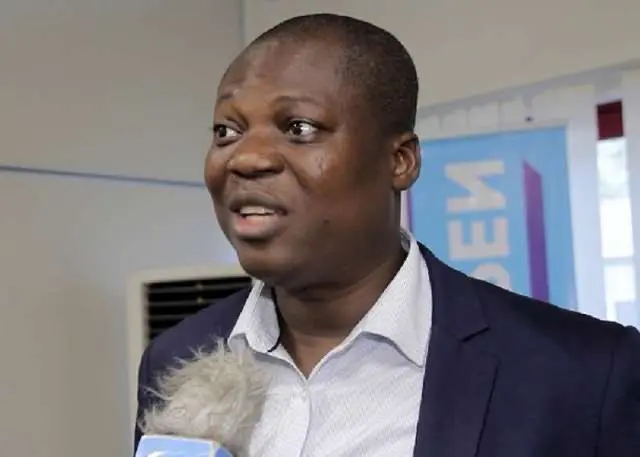

Professor John Gartchie Gatsi, Dean of the University of Cape Coast Business School, has praised the government’s phased approach to economic policy implementation. Although it’s too early for a comprehensive assessment, the administration’s 120-day agenda is progressing as planned. The establishment of the National Economic Dialogue Committee and the Education Forum are significant steps towards fostering inclusive economic discussions.
Gatsi noted that Ghanaians are optimistic about the government’s focus on accountability, corruption, and responsible leadership, which are crucial for ensuring fair economic sacrifices and long-term stability. Meanwhile, the government is engaging in discussions with the International Monetary Fund (IMF) to address pressing economic issues, including tax cuts, revenue administration reforms, and energy sector debt management.
The ongoing five-day engagement will shape Ghana’s economic outlook and policy direction for the 2025 budget. To ease fiscal pressures and reduce reliance on imported goods, the government plans to scrap major revenue measures like the E-Levy, betting tax, and COVID-19 levy. These initiatives aim to strengthen macroeconomic stability and enhance Ghana’s economic outlook under the IMF-supported program.
Ruth Abla ADJORLOLO
