
The World Health Organization (WHO) has released a stark warning about the growing threat of antimicrobial resistance (AMR). Despite an increase in the number of antibacterial agents in development, the organization says that innovation is lagging behind and access to these lifesaving medicines is a significant challenge.
According to the WHO’s latest report, the number of antibacterial agents in the clinical pipeline has risen from 80 in 2021 to 97 in 2023. However, only 12 of these agents can be considered innovative, and just four are active against the most dangerous and deadly bacteria.
The report highlights the need for new and innovative agents to combat serious infections and replace those becoming ineffective due to widespread use. The WHO is calling for greater transparency in the pipeline to facilitate collaboration and generate more interest and funding for drug development.
The organization is also emphasizing the need for parallel efforts to ensure equitable access to new antibacterial agents, particularly in low- and middle-income countries. Universal access to quality and affordable tools for preventing, diagnosing, and treating infections is key to mitigating the impact of AMR on public health and the economy.
AMR occurs when bacteria, viruses, fungi, and parasites no longer respond to medicines, making people sicker and increasing the risk of spread of infections that are difficult to treat, illness, and deaths. The WHO is urging governments, scientists, and drug developers to work together to address this growing threat and ensure that effective and safe antibacterial agents are available to those who need them most.
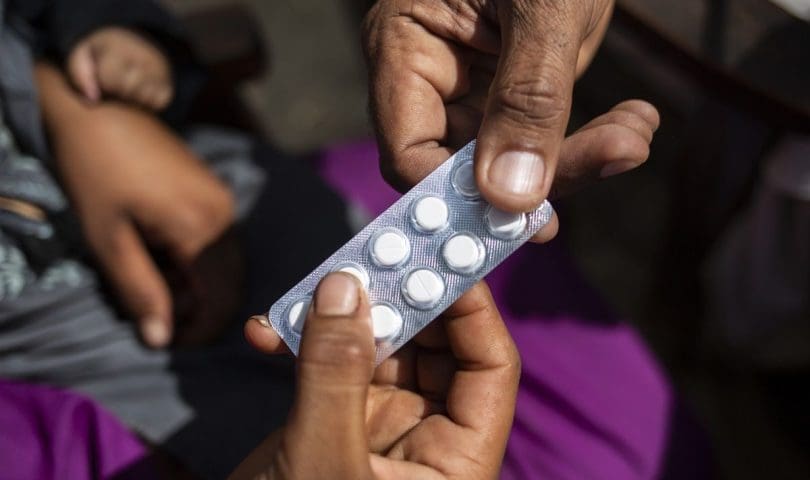
WHO/Ruth Abla ADJORLOLO