

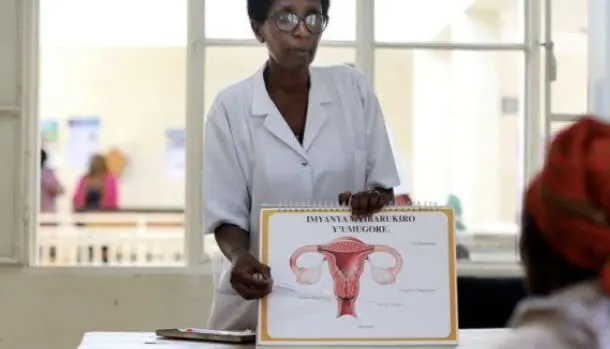

As world leaders gather in Rio de Janeiro, Brazil, for the G20 Summit, the city’s iconic Christ the Redeemer statue will shine bright in teal, symbolizing a global movement to eliminate cervical cancer. This initiative is part of the World Health Organization’s (WHO) “Day of Action for Cervical Cancer Elimination,” a worldwide effort to mobilize action against this preventable and treatable disease.
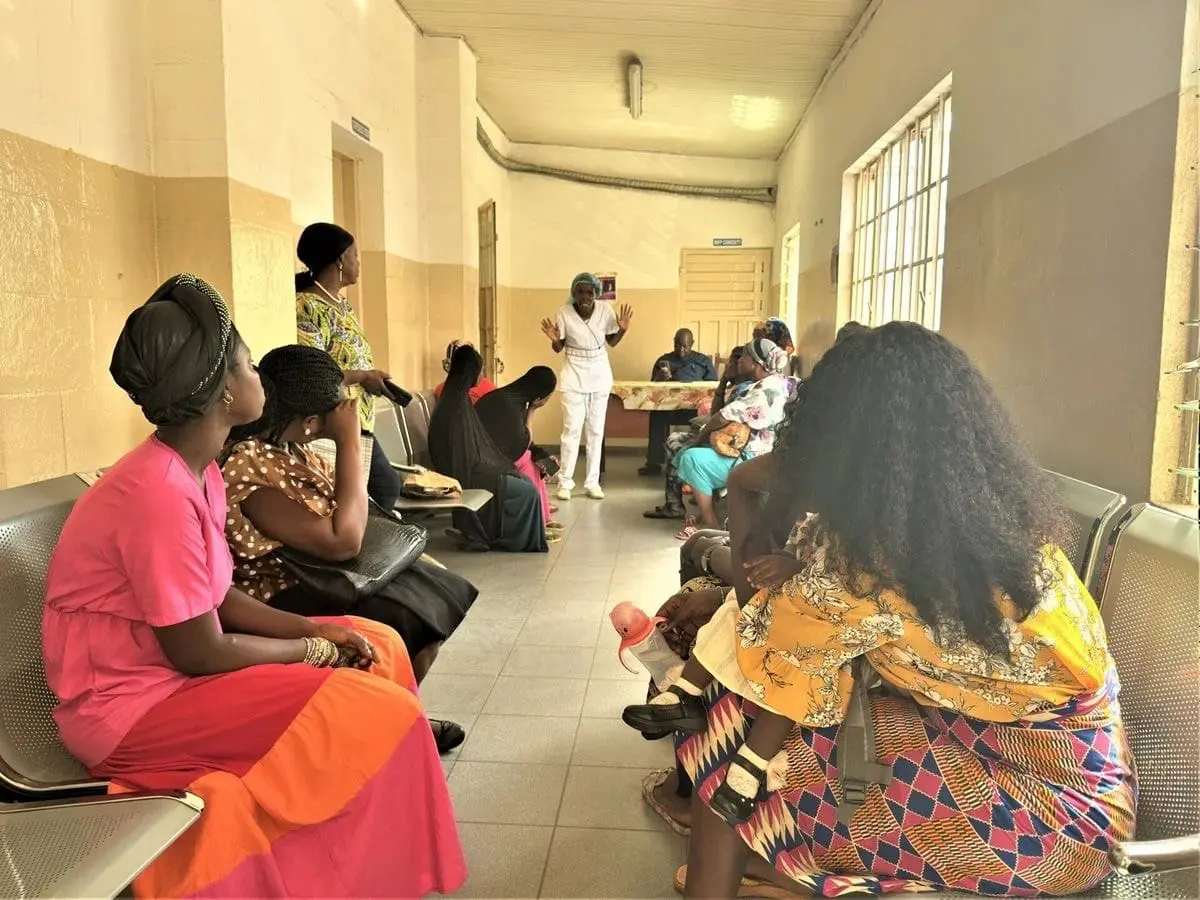
Four years ago, 194 countries resolved to eliminate cervical cancer, and since then, significant progress has been made. At least 144 countries have introduced the human papillomavirus (HPV) vaccine, over 60 countries include HPV testing in their cervical screening programs, and 83 countries provide surgical-care services for cervical cancer in their health-benefit packages.
Countries around the world are marking this day with various campaigns, including providing HPV vaccination and screening, launching new health policies, and raising awareness in communities. For instance, Chile will announce a pilot for self-collection with HPV testing, while China will host academic lectures, health runs, and illuminations to raise awareness across 31 cities.
The WHO is also launching new guidance on Target Product Profiles (TPPs) for HPV screening tests, emphasizing the need for high-performance, low-cost, and accessible solutions, particularly in resource-limited settings. Additionally, the US Food and Drug Administration (FDA) has approved HPV tests that allow for self-collection in a healthcare setting, making screening more accessible and convenient.
UN/Ruth Abla ADJORLOLO
