
Today, the global community observes World Chagas Disease Day, raising awareness about a tropical parasitic disease that affects millions worldwide. Chagas disease, caused by the protozoan parasite Trypanosoma cruzi, is spread primarily through the bite of infected triatomine bugs, also known as “kissing bugs”. According to the World Health Organization, there are approximately 7 million infections globally, resulting in around 10,000 deaths annually.
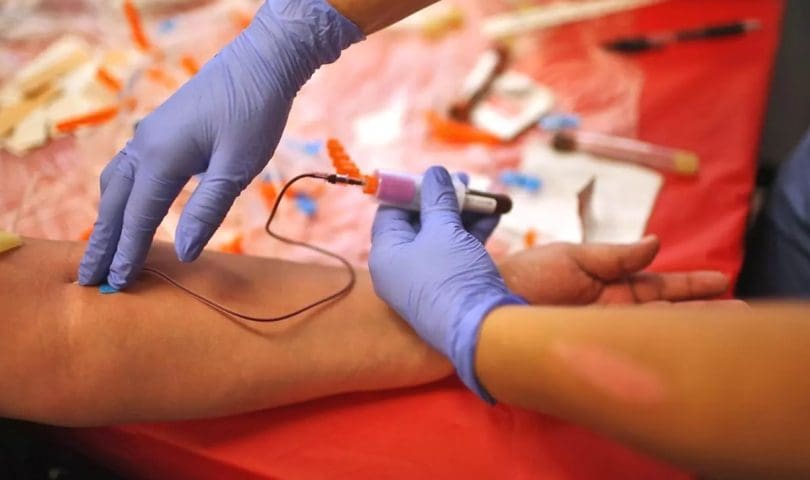
Early detection is crucial, as Chagas disease is curable when treatment is provided soon after infection. However, most acute phases are asymptomatic or have non-specific symptoms, making diagnosis challenging. The disease has two phases: an acute phase and a chronic phase, with the latter potentially leading to life-threatening cardiac, digestive or neurological symptoms if left undiagnosed and untreated.
Prevention focuses on eliminating kissing bugs and avoiding their bites through insecticide spraying, home improvements, good hygiene practices and using bednets. In recent years, Chagas disease has spread beyond Latin America, affecting impoverished populations across continents.
Ruth Abla ADJORLOLO