



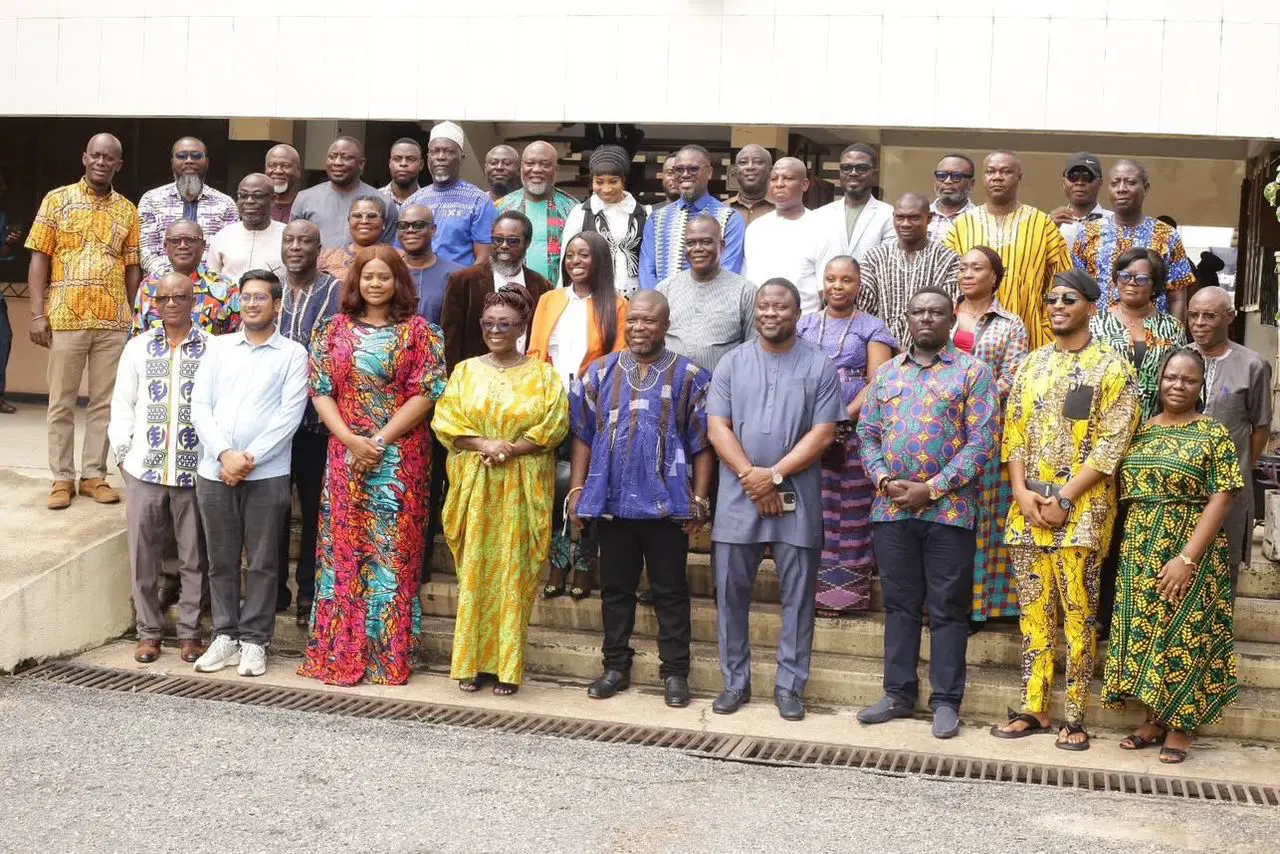
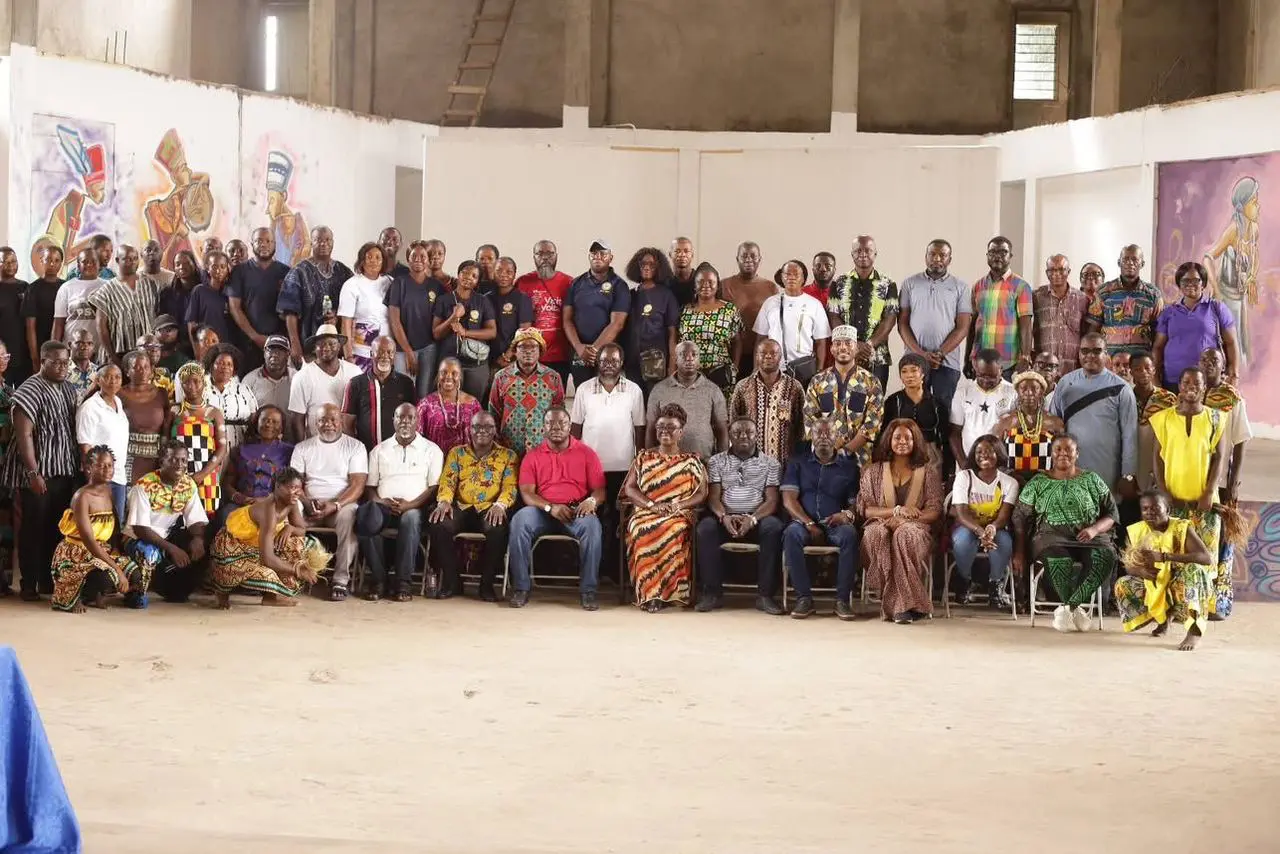
Ghana’s Minister for Tourism, Culture, and Creative Arts, Hon. Abla Dzifa Gomashie, is making a passionate case for a renewed embrace of African identity and heritage. During her national tour in the Volta Region, Gomashie urged Ghanaians to stop mimicking foreign cultures and instead take pride in their own rich traditions.
“Being African must not be a costume we wear once a week,” she asserted, emphasizing the importance of embedding cultural appreciation into daily life rather than limiting it to special occasions and festivals. The Minister’s call for cultural revival comes at a crucial time when modernization and globalization continue to influence local traditions, sometimes eroding authentic Ghanaian expressions.
As part of her tour, Gomashie is assessing tourism infrastructure across the region to identify gaps that need urgent attention. She is keen on exploring sustainable strategies to boost revenue generation, create employment opportunities, and harness the potential of Ghana’s tourism industry. The Minister also highlighted the significance of investing in local talent, noting that Ghana’s creative sector holds immense promise in preserving the country’s cultural heritage and attracting international visitors.
Acknowledging the power of digital storytelling, Gomashie praised social media influencers like Wode Maya, whose efforts have helped showcase the Volta Region’s breathtaking beauty to global audiences. She stressed that Ghana’s tourism sector must embrace digital innovations to amplify its presence and captivate new markets.
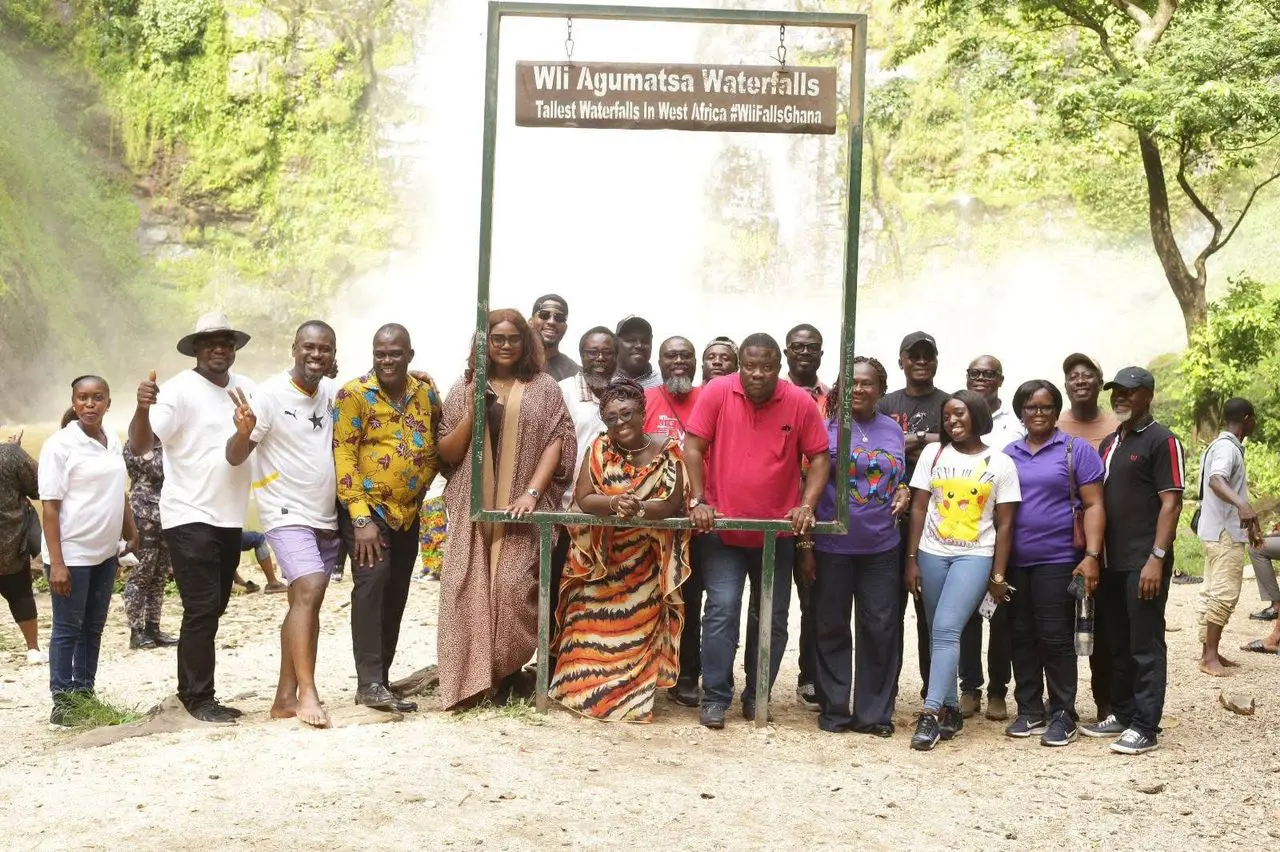
During her visit, the Minister toured major attractions including the Volta Regional Museum and the Wli Waterfalls, urging local communities to maintain their tourism sites to ensure sustained visitor interest. She also held discussions with border officials, emphasizing the need for stronger security measures to prevent illegal crossings that could compromise Ghana’s tourism potential.
Gomashie also took a moment to acknowledge former President John Dramani Mahama for laying the groundwork for Ghana’s modern tourism agenda. She noted that ongoing efforts in infrastructure development and heritage preservation have been built on foundational policies established during his tenure.
With her tour shedding light on both the challenges and opportunities within Ghana’s tourism sector, Gomashie’s message is clear—cultural rebirth is not just a slogan; it is a necessity for national growth and identity. If Ghana is to cement itself as a global cultural powerhouse, the people must first embrace and celebrate what makes them unique.
Sankofaonline
