

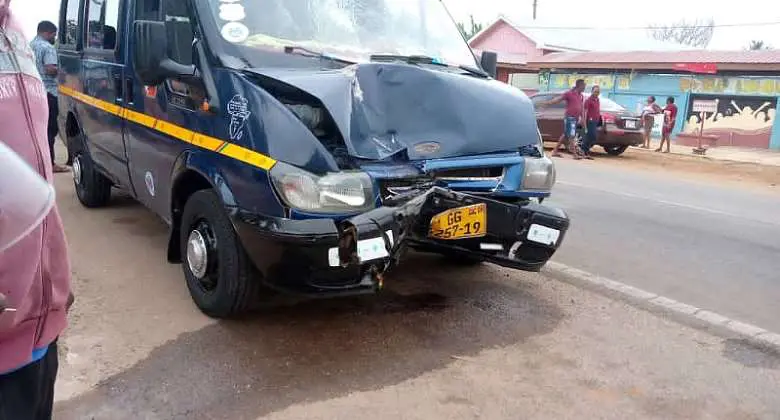

ACCRA — Ghana’s roads have become increasingly perilous, with new data from the National Road Safety Authority (NRSA) revealing a sharp rise in traffic-related deaths and injuries. Between January and June 2025, road crashes claimed 1,504 lives, a staggering 21.6% increase compared to the same period last year.
The report, released this week, paints a grim picture of a nation grappling with a mounting public safety emergency. A total of 7,289 road crash incidents were recorded in the first half of the year, involving over 12,000 vehicles and resulting in nearly 10,000 casualties. Injuries rose to 8,364, while pedestrian knockdowns climbed to 1,095.
“This is not just a transportation issue, it’s a national crisis,” said a senior NRSA official. “We are losing fathers, mothers, children, and breadwinners every day. The ripple effects on families, communities, and the economy are profound.”
Regional Breakdown: Ashanti Leads in Fatalities
The Ashanti Region recorded the highest number of deaths (325), despite fewer crashes than Greater Accra, which had the most incidents (1,908). However, Accra’s fatality rate was significantly lower—just 10 deaths per 100 crashes, compared to the Eastern Region’s alarming 28 deaths per 100 crashes.
The Savannah Region saw the largest increase in crash incidents (+52%), while the Northern Region experienced the most dramatic decline (−51.16%), suggesting that targeted interventions may be yielding results in some areas.
Motorcycles and Private Vehicles Dominate Crash Statistics
Private vehicles accounted for 41% of all crashes, followed by commercial vehicles (34%) and motorcycles (25%). Two-wheelers were involved in nearly three-quarters of motorcycle-related crashes, underscoring the vulnerability of riders and the need for stricter helmet enforcement and licensing protocols.
Demographics: Men and Children at Risk
Of the 1,504 fatalities, 78% were male and 11% were children under 18. The disproportionate impact on men—often primary income earners,has serious implications for household stability and economic productivity.
Economic Toll and Urgent Need for Reform
Beyond the human tragedy, the economic cost of road crashes is staggering. Lost productivity, vehicle damage, medical expenses, and insurance claims are draining national resources. Experts estimate that Ghana loses over 1.6% of its GDP annually to road traffic accidents.
The NRSA is calling for a multi-pronged approach:
- Infrastructure upgrades including safer intersections, pedestrian bridges, and lighting
- Stricter enforcement of traffic laws and licensing standards
- Public education campaigns targeting high-risk behaviors
- Data-driven interventions in regions with rising crash rates
A Road to Redemption?
As Ghana embarks on ambitious infrastructure projects like the new Accra-Kumasi Expressway, there is hope that modern road design and policy reform can reverse the deadly trend. But without swift and sustained action, the toll will continue to rise.
For now, the numbers speak for themselves and they demand a national reckoning.
