



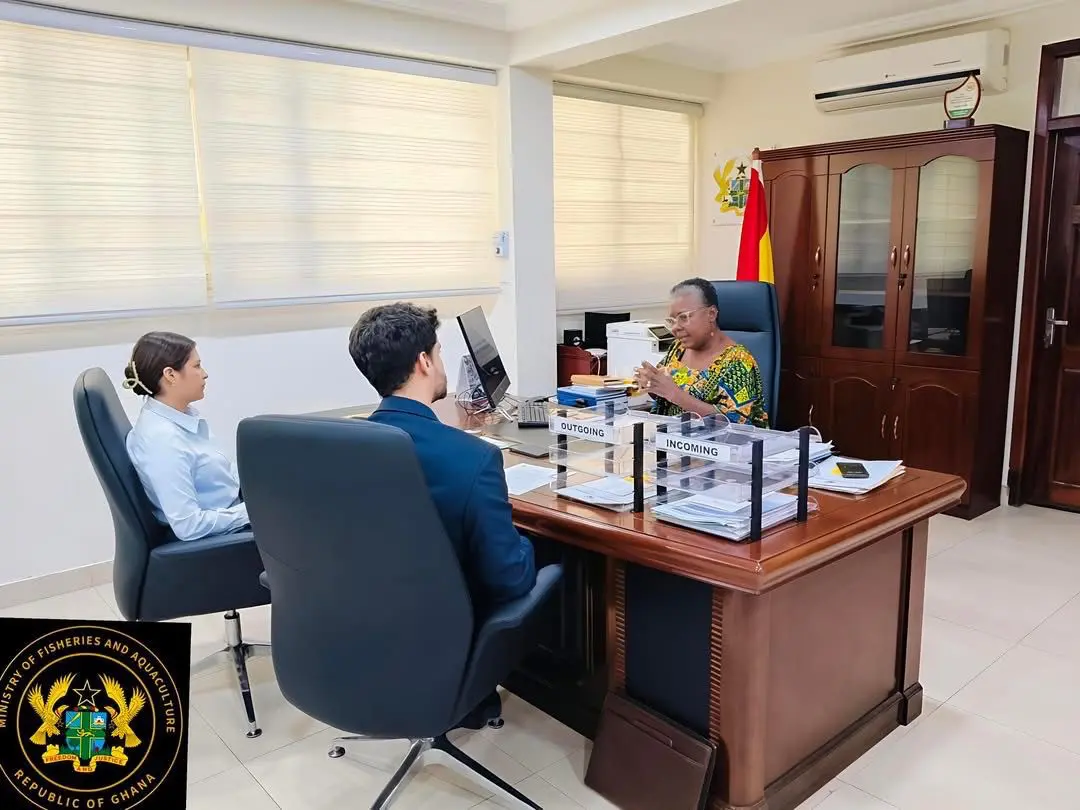
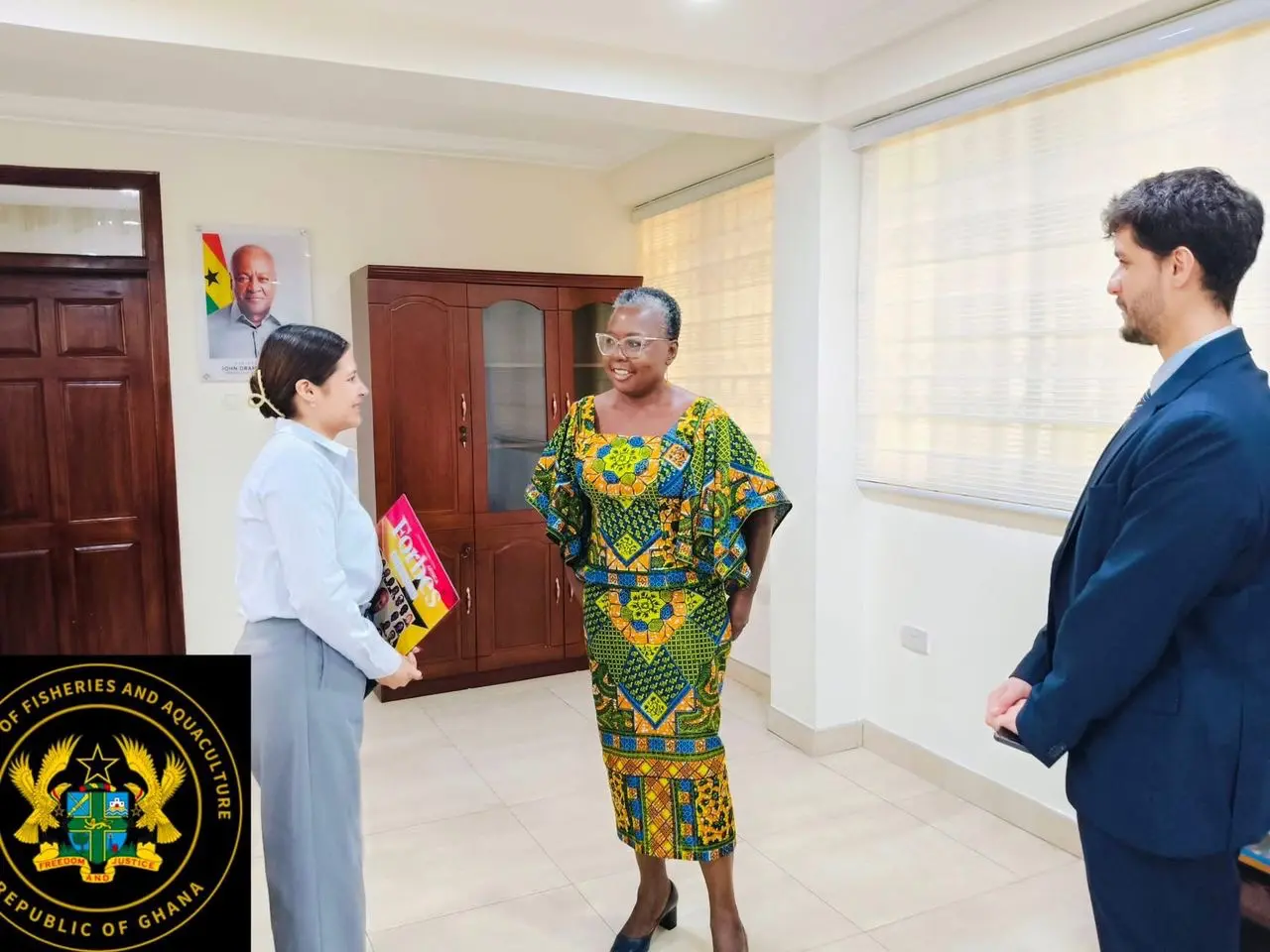
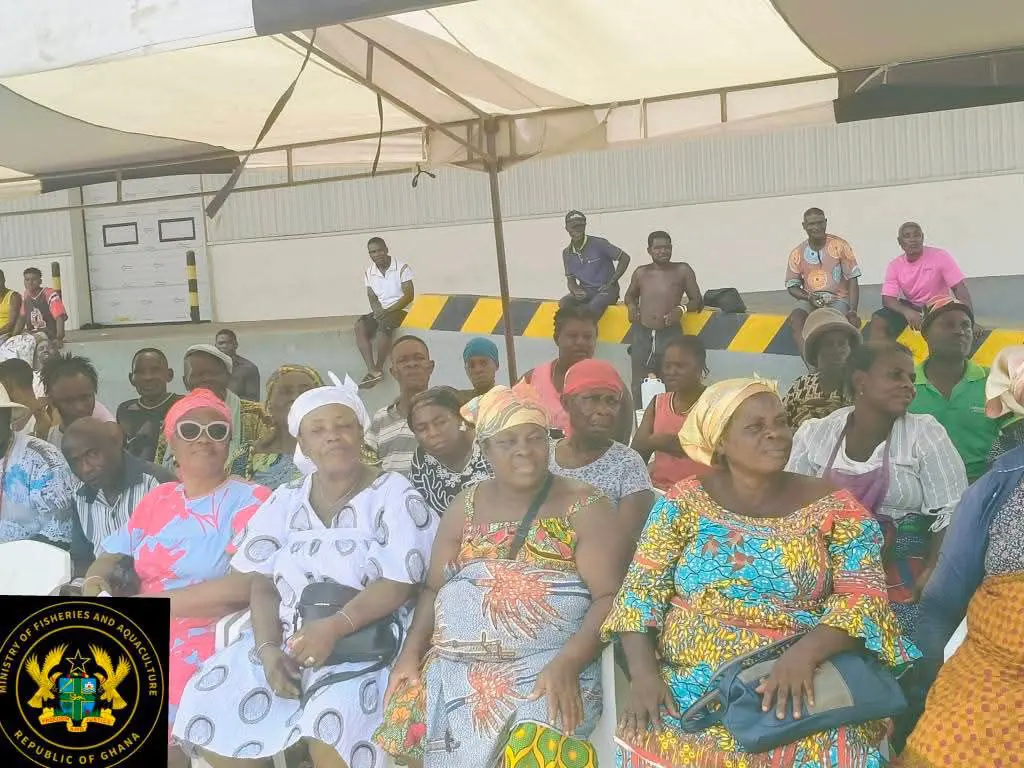
In an exclusive interview with PENRESA, Minister of Fisheries and Aquaculture, Emelia Arthur, unveiled a comprehensive plan to revitalize Ghana’s fisheries sector, prioritizing job creation, sustainability, and prosperity for the 3 million people who depend on it.
At the forefront of the minister’s agenda is Job Creation and Accountability, which involves revamping policies to benefit fishing communities. This move aims to promote transparency and fairness in the distribution of resources and opportunities.
To boost the aquaculture sector, the minister announced the launch of a One-Stop-Shop for licensing and youth training programs in all 16 regions. This initiative is expected to streamline processes, reduce bureaucracy, and empower young people to take advantage of opportunities in the sector.
Another critical area of focus is Fisheries Law Reform, which involves working with Parliament to revise Act 625 and lift the EU Yellow Card on Ghana’s fisheries. This move is crucial for improving the country’s reputation and accessing international markets.
To strengthen enforcement and monitoring, the minister revealed plans to implement Electronic Monitoring Systems for industrial and tuna vessels. This technology will enable real-time tracking and monitoring, reducing the risk of illegal fishing and promoting sustainable practices.
The minister also emphasized the importance of Market Access, tackling challenges faced by inland fishers to secure better opportunities. This initiative aims to promote equity and fairness in the market, ensuring that all stakeholders benefit from the sector’s growth.
In a bid to empower women, the minister announced a partnership with the Women’s Development Bank to provide loans for fish processors. This move recognizes the critical role women play in the sector and seeks to promote their economic independence.
Furthermore, the minister highlighted the need for Blue Economy Expansion, establishing a multi-sectoral Blue Economy Commission to drive sustainable development. This initiative acknowledges the interconnectedness of the ocean’s ecosystem and the economy, promoting a holistic approach to development.
Finally, the minister emphasized the completion of the Anomabo Fisheries College, which will enhance training and research in fisheries and aquaculture. This investment in human capital is expected to drive innovation and growth in the sector.
With these bold initiatives, Ghana’s fisheries sector is poised for transformation, promising a brighter future for the millions of people who depend on it.


Ruth Abla ADJORLOLO
