

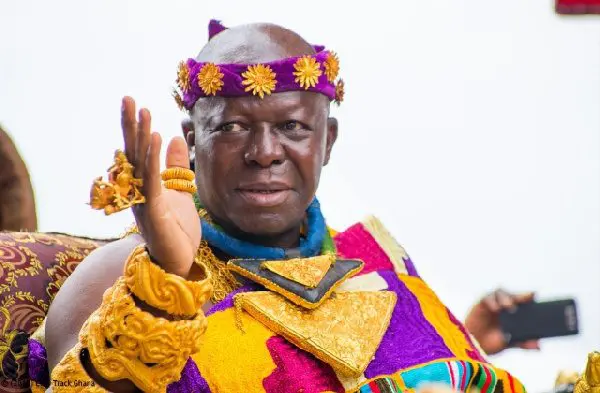

ACCRA, GHANA:In a bold intervention that could redefine the trajectory of Ghana’s extractive sector, Otumfuo Osei Tutu II, the revered King of the Asante Kingdom, has called on the constitutional amendment committee to enshrine Ghanaian ownership of the nation’s mineral wealth. His appeal, delivered with characteristic gravitas, urges lawmakers to prioritize indigenous control over mining operations as a matter of national interest and economic justice.
Addressing the committee during its ongoing review of proposals to modernize Ghana’s 1992 Constitution, Otumfuo advocated for a framework modeled on South Africa’s approach to resource governance. Under this system, initial ownership of mining ventures would be reserved for Ghanaian citizens, who could subsequently choose to engage foreign partners. Crucially, this structure would ensure that strategic control, profit-sharing, and employment opportunities remain anchored within Ghana’s borders.
The King’s proposal is not merely symbolic. It reflects a growing sentiment among traditional leaders, civil society actors, and economic nationalists who argue that Ghana’s mineral wealth has long been exploited with limited benefit to its people. By recalibrating ownership structures, Otumfuo contends, the country can reclaim agency over its resources, foster inclusive growth, and reduce dependency on external capital.
“This is about dignity, sovereignty, and the future of our youth,” Otumfuo reportedly told the committee. “We must not continue to surrender our gold, our land, and our labor to interests that do not share our destiny.”
The proposal has sparked vigorous debate among stakeholders. Proponents see it as a necessary corrective to decades of extractive arrangements that have favored multinational corporations and left mining communities impoverished. Critics, however, caution that such a shift could deter foreign investment, given the capital-intensive nature of the industry and the technical expertise required for large-scale operations.
Still, Otumfuo’s intervention has injected fresh urgency into the constitutional reform process, reframing it not just as a legal exercise but as a moral reckoning with Ghana’s post-colonial economic architecture. As the committee continues its deliberations, the monarch’s call for indigenous ownership is likely to remain a focal point,challenging policymakers to reconcile national pride with global capital, and tradition with transformation.
Sankofaonline
