

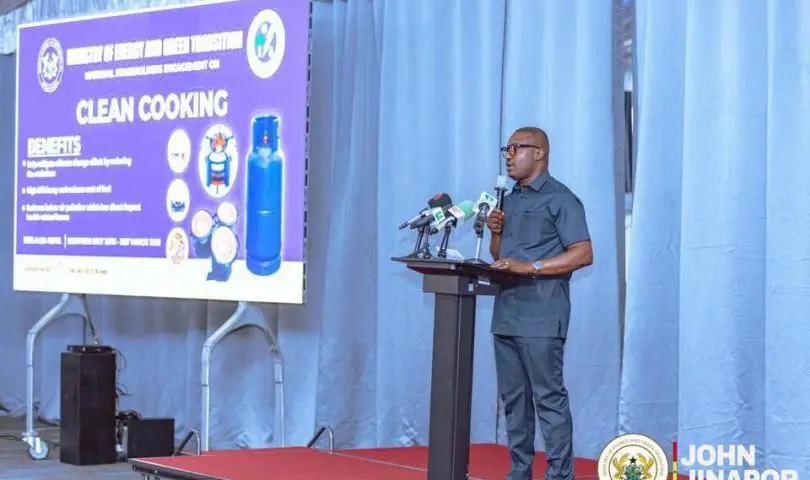

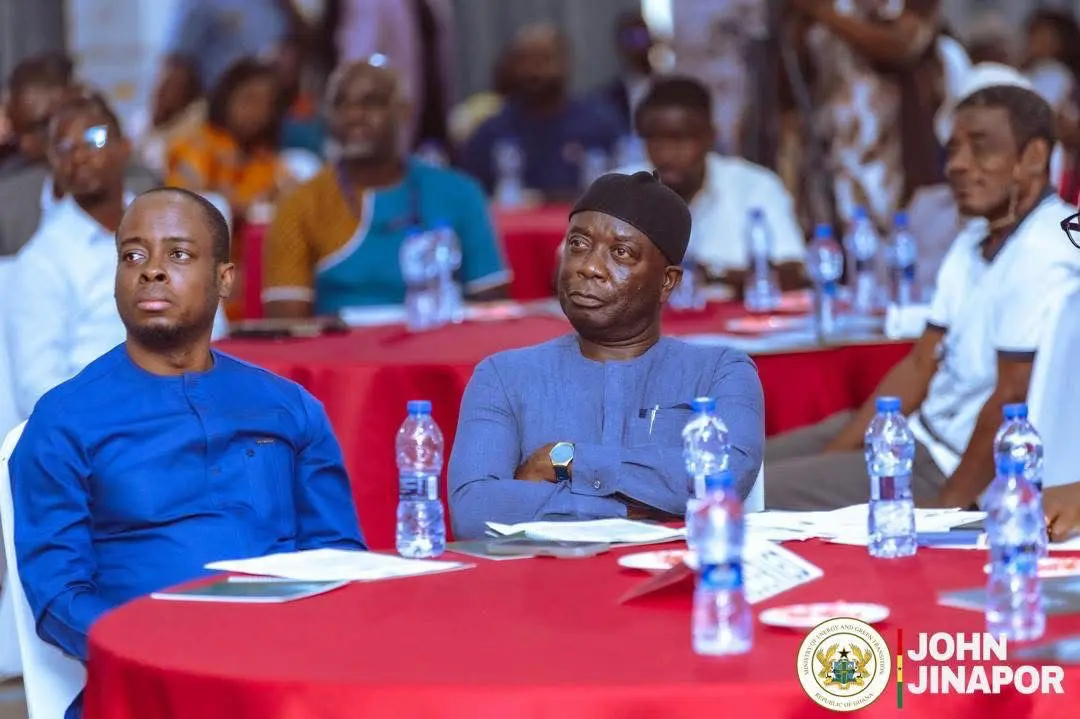
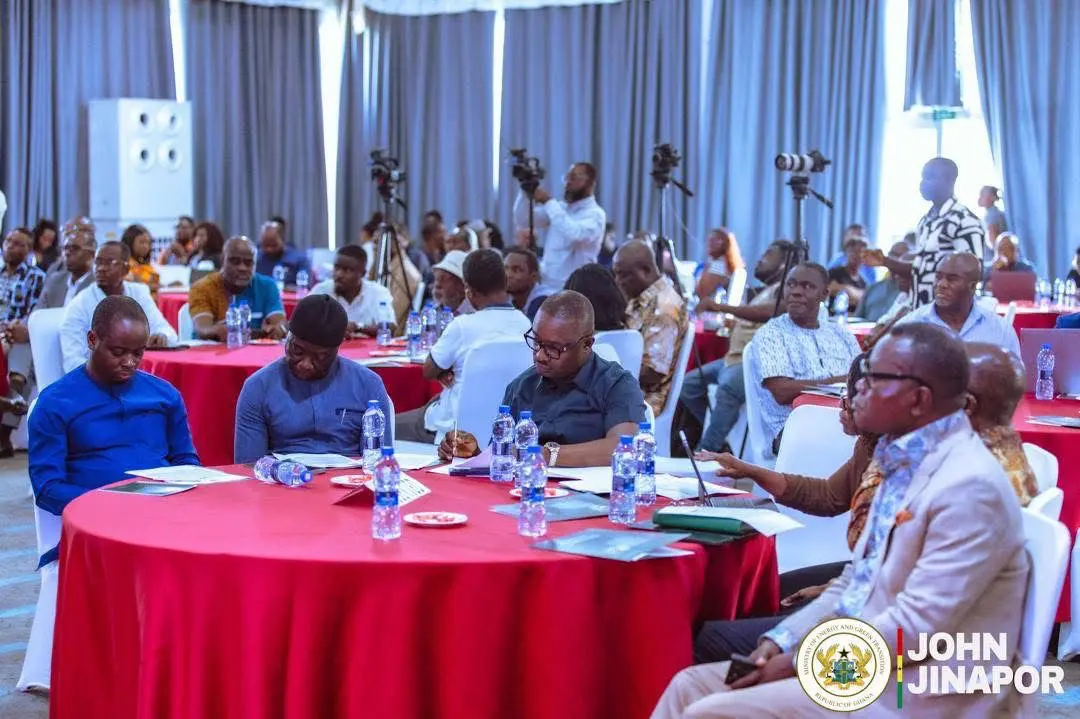
Accra, Ghana – The Ministry of Energy and Green Transition has launched a two-day National Clean Cooking Policy and Strategy Workshop, marking a significant milestone in Ghana’s pursuit of clean cooking solutions. The workshop, which commenced on Thursday, March 20, 2025, brings together stakeholders, including policy experts, industry leaders, and development partners, to tackle the health and environmental challenges posed by traditional cooking methods.
Delivering the keynote address, Minister for Energy and Green Transition, John Abdulai Jinapor, highlighted the dire consequences of Ghana’s reliance on traditional solid fuels, which claims approximately 6,500 lives annually due to household air pollution. The Minister emphasized the urgent need for a coherent strategy to address these issues, particularly the immense socio-economic toll on women and children.
To this end, the Ministry unveiled the proposed National Clean Cooking Policy (NCCP), designed to promote a diversified clean cooking energy mix, including Liquefied Petroleum Gas (LPG), electric, biogas, and improved biomass cookstoves. The policy will offer regulatory and fiscal incentives to boost investments in the clean cooking sector and support local industry development.
The workshop aims to gather insights from representatives across Ghana’s regions, with the goal of achieving universal access to clean cooking. The Chief Director of the Ministry, Wilhelmina Asamoah, emphasized the importance of inclusiveness and addressing local realities in the path towards clean cooking adoption.
The success of Ghana’s clean cooking initiative hinges on collective efforts towards a healthier, cleaner, and more sustainable future for all Ghanaians. The Ministry has expressed gratitude to the World Bank for its unwavering support of Ghana’s clean cooking agenda.
Ruth Abla ADJORLOLO
