

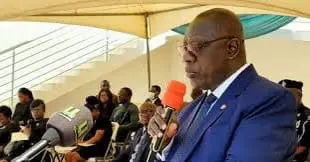

Ghana’s Minister of Local Government, Decentralization, and Rural Development, OB Amoah, has reaffirmed the government’s commitment to tackling the interconnected challenges hindering Ghanaian cities’ potential for sustainable and inclusive growth. The Accra City Synthesis Report provides valuable insights into Accra’s urban landscape, highlighting key obstacles and opportunities for progress.
The report identifies five primary domains requiring attention: structural factors, housing, informal settlements, land use, and connectivity. These areas have experienced limited and inconsistent growth over the past two decades, largely due to the city’s political structure, where mayors are often appointed based on party loyalty.
Minister Amoah emphasized the need to prevent further growth of slums and informal settlements, curb unregulated transportation, and address rising inequality. He expressed optimism that the report’s findings would inform Ghana’s development agenda and provide actionable recommendations.
Experts, including Associate Professor Abdulai and CEO Diana Mitlin, stressed the importance of effective citizen mobilization and coalition building to ensure reform continuity. They urged stakeholders to transition from analysis to action, marking a turning point towards implementing critical reforms.
Ghana’s urban population is growing rapidly, with 54.8% living in urban areas and an estimated 65% expected by 2030. To address this growth, UN-Habitat is working with the government to promote sustainable urbanization.
By addressing these challenges, Ghana can empower its cities to drive national economic development and poverty reduction. The government’s commitment to sustainable urban growth is crucial for the country’s future prosperity.
GBC/Ruth Abla ADJORLOLO
