

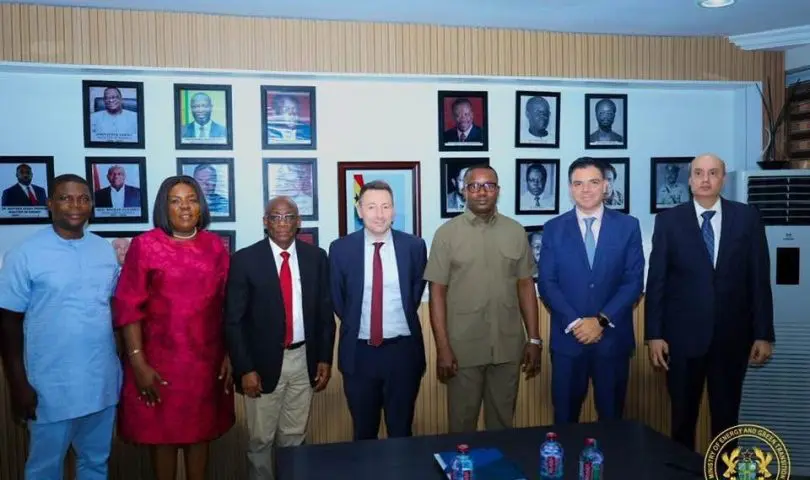

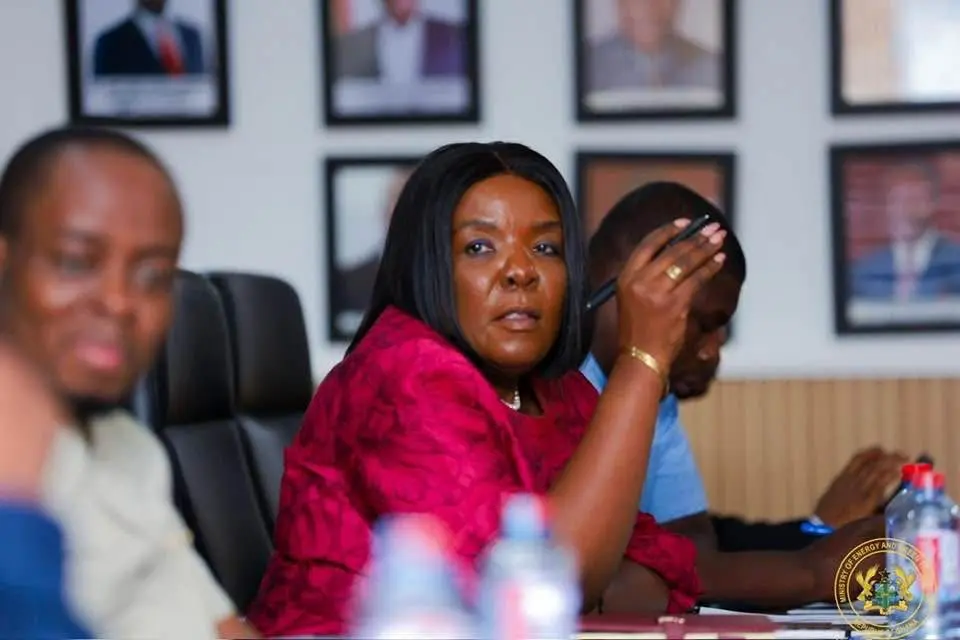
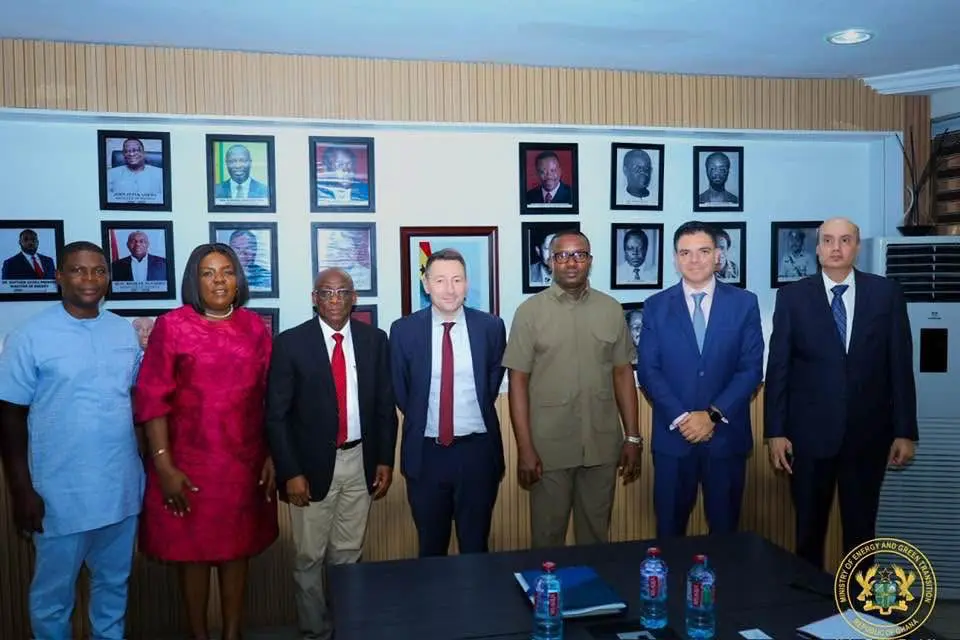
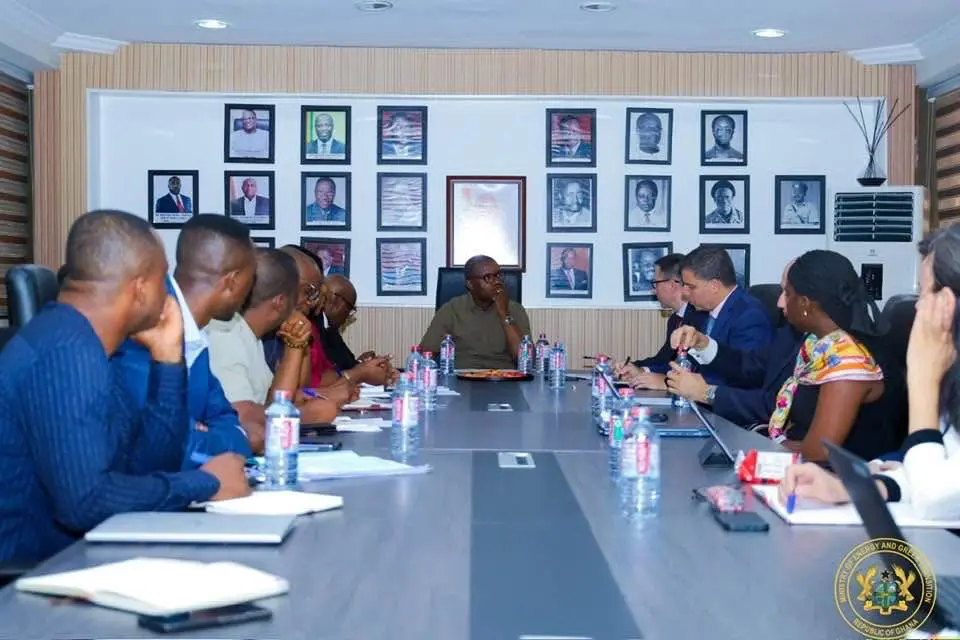
Ghana’s Minister of Energy and Green Transition, John Abdulai Jinapor, has reaffirmed the government’s commitment to reforming the country’s energy sector. In a meeting with officials from the International Monetary Fund (IMF) and the World Bank, Jinapor emphasized the need for transparency, efficiency, and private sector participation in the sector.
The minister stressed that all revenue collections must be centralized into a single account before being allocated, to enhance accountability and minimize inefficiencies. He also revealed that the government has engaged the World Bank in private sector participation in ECG operations, particularly in billing, collection, and system maintenance.
Jinapor assured that the entire process would be conducted transparently through a competitive tendering process. He also highlighted the need to shift from expensive liquid fuel imports to domestic gas processing, which could cut fuel costs by nearly a billion dollars annually.
The minister set a target to achieve significant progress by mid-year, emphasizing the need for continuous collaboration among stakeholders. He also indicated plans to seek parliamentary approval for power procurement agreements, ensuring a structured and legally binding framework.
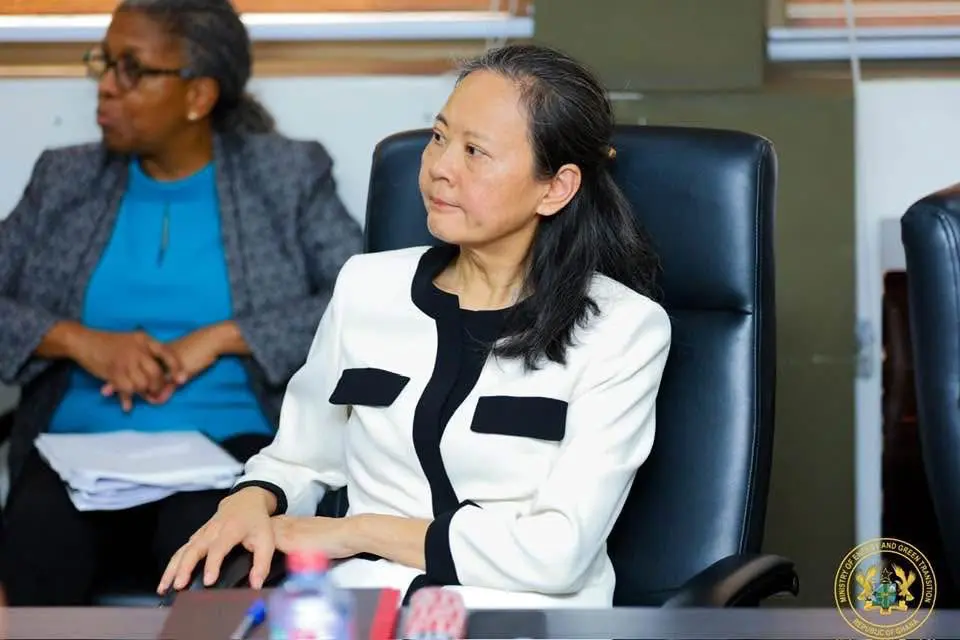
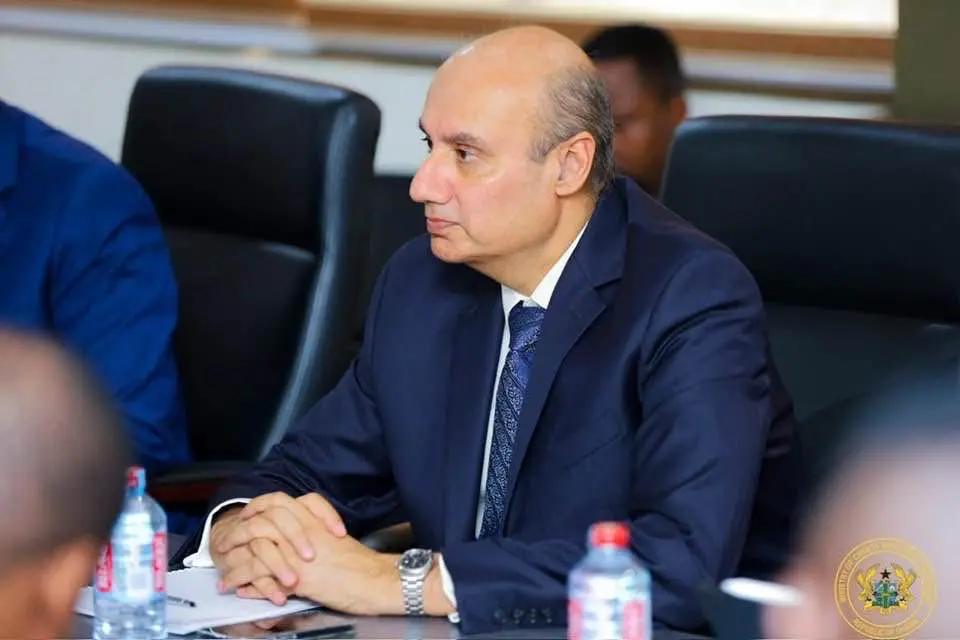
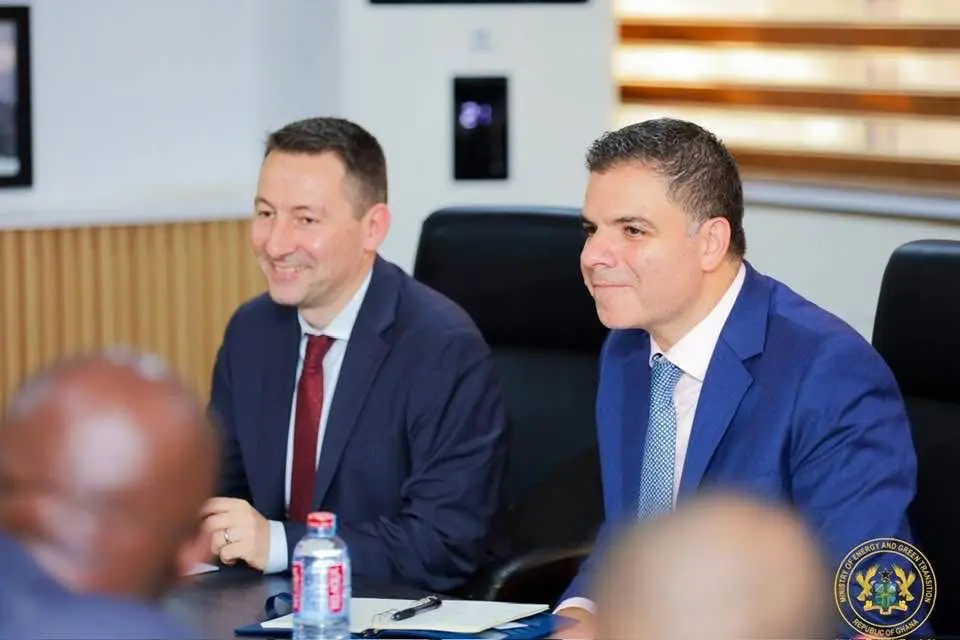
The IMF and the World Bank have pledged their support for Ghana’s energy sector reforms, with the IMF emphasizing the need for structural reforms to drive meaningful change and ensure sustainability. The World Bank has also pledged its technical support towards the ECG Private Sector Participation (PSP) reforms.
Overall, Ghana’s commitment to energy sector reforms is a step in the right direction towards creating a stable, transparent, and efficient energy sector. With the support of international partners, Ghana is poised to make significant progress in addressing the challenges facing its energy sector.




Ruth Abla ADJORLOLO
