

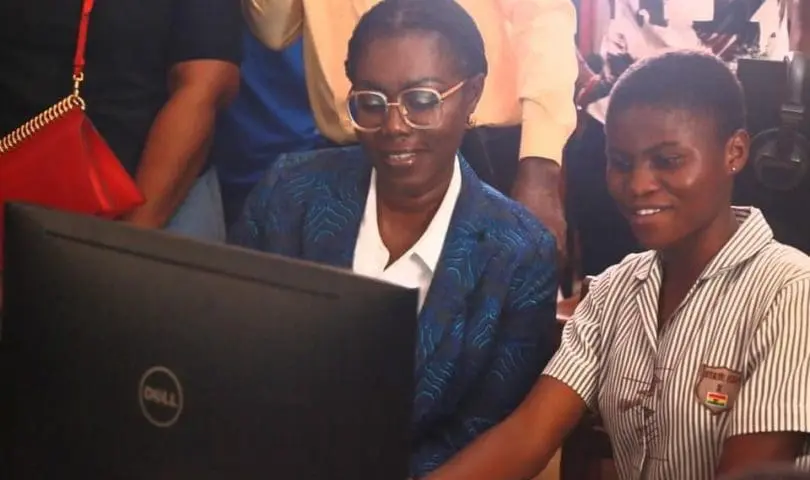

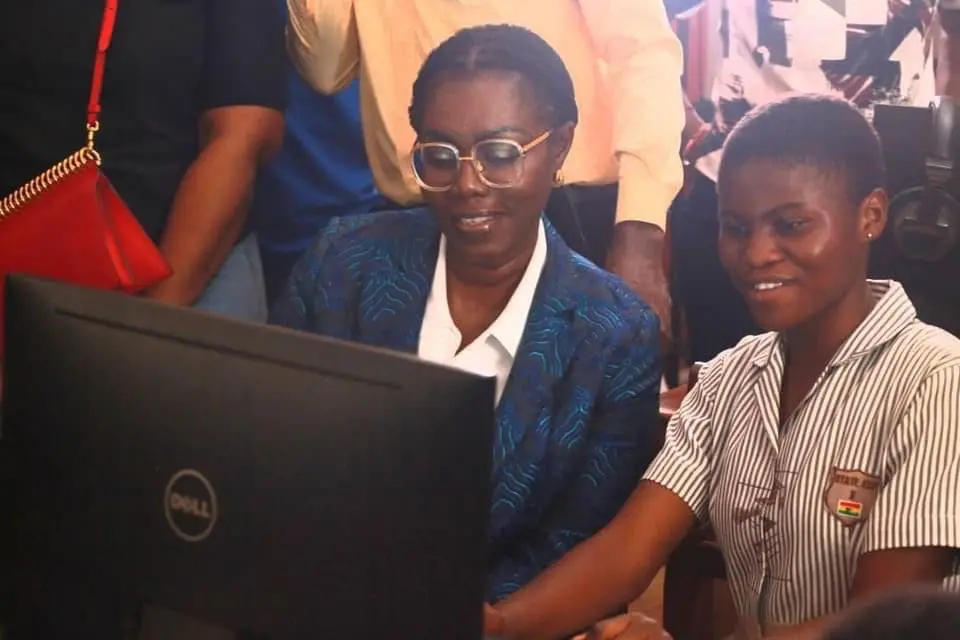
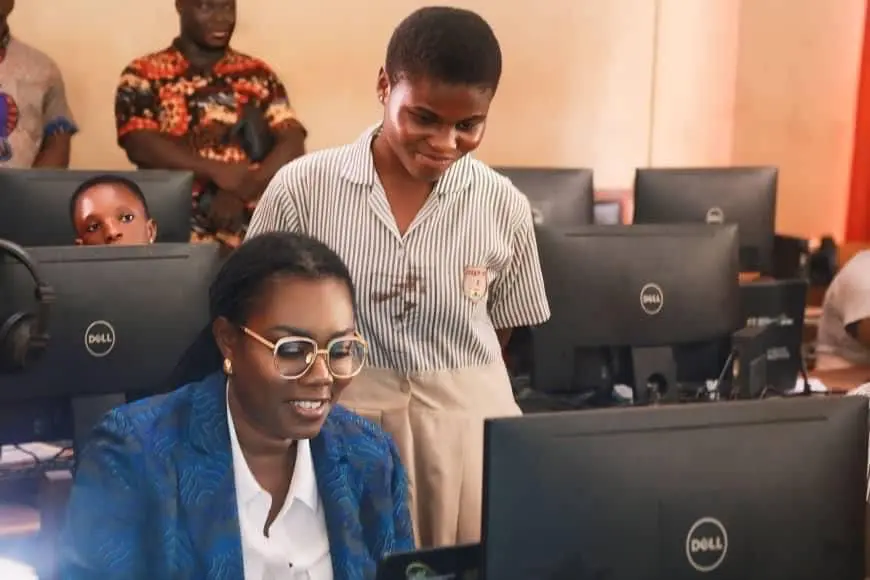
The Minister for Communications and Digitalisation, Mrs. Ursula Owusu-Ekuful, recently visited five training centers in the Ashanti Region, sparking enthusiasm among beneficiaries of the Girls-in-ICT initiative. This program, inspired by the International Telecommunication Union’s Resolution 70, aims to bridge the gender digital divide and empower girls through Information and Communication Technology (ICT) ¹.
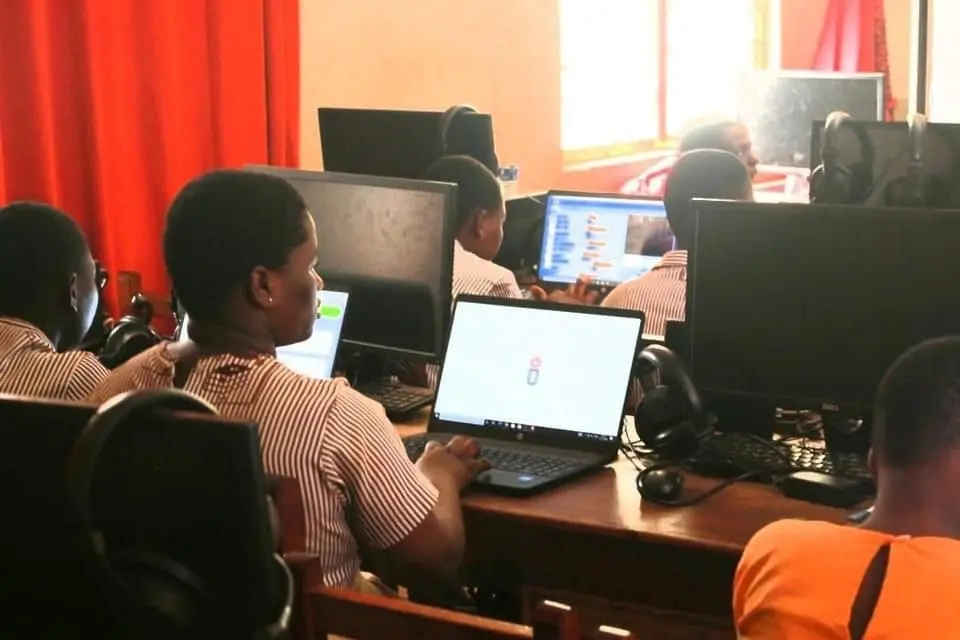
During her tour, Mrs. Owusu-Ekuful witnessed firsthand how the initiative has opened doors for young girls to pursue careers in science, technology, engineering, and mathematics (STEM). The program’s comprehensive training modules cover computer programming, game development, animation, and website development, equipping participants with essential digital literacy skills.
Beneficiaries expressed heartfelt gratitude, highlighting increased awareness of ICT opportunities, enhanced technical knowledge, and greater confidence in using digital tools. Mrs. Owusu-Ekuful delivered inspiring messages, encouraging participants to become leaders in the tech industry. “I believe in each and every one of you, and I know that you have the potential to become leaders in the tech industry,” she said.
She emphasized the importance of challenging stereotypes and pushing boundaries, leveraging technology to create positive change in their communities. “Whether it’s developing apps, creating digital art, or solving real-world problems, the possibilities are endless,” Mrs. Owusu-Ekuful added.
The Minister also encouraged the girls to seek guidance from women leaders in technology and stay curious in the ever-evolving tech landscape. She advised participants to utilize the Ghana Knowledge Skills Bank Portal for access to online resources and tools.
This initiative is part of Ghana’s efforts to achieve Sustainable Development Goal (SDG) 5, promoting gender equality and empowering women and girls. Since 2012, Ghana has trained over 13,981 girls and women in ICT skills. The Girls-in-ICT program is making strides in bridging the gender digital divide, and its beneficiaries are poised to become leaders in the tech industry.



Ruth Abla ADJORLOLO
