


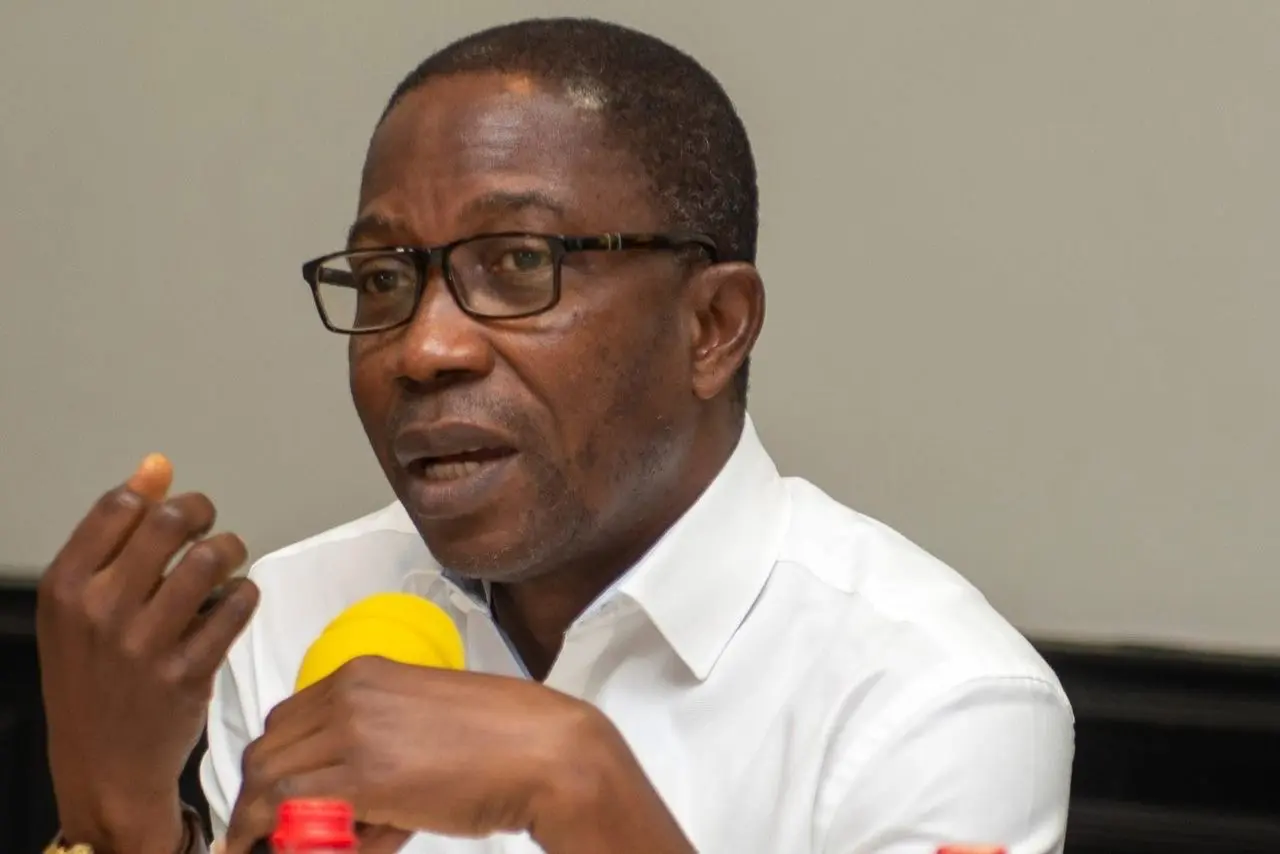
The Electricity Company of Ghana (ECG) is facing significant challenges, but according to Dr. Yao Graham, Coordinator of Third World Network-Africa, these issues are merely a symptom of a larger problem: the mismanagement of Ghana’s economy. Dr. Graham was responding to President John Dramani Mahama’s proposal to privatize power distribution in Ghana, aimed at improving efficiency in the energy sector .
At the heart of ECG’s challenges is the mismatch between electricity tariffs and the declining value of the Ghanaian cedi. The company collects revenue in cedi but pays Independent Power Producers (IPPs) in dollars, creating a significant financial strain. To make matters worse, the contracts signed with IPPs have been unfavorable to the state, exacerbating ECG’s challenges.
Dr. Graham emphasized that tariffs have not kept pace with the collapse of the exchange rate, resulting in ECG spending twice as much on dollars as it did previously. He also criticized the government’s failure to settle debts for electricity consumed by public entities, which has eroded ECG’s capacities over time.
“The primary reason for the state of ECG is the cumulation of different political decisions and activities,” Dr. Graham explained. “Successive governments and public institutions do not pay ECG what is owed, so public debts over time have eroded ECG’s capacities.”
In essence, Dr. Graham is saying that privatization alone cannot solve ECG’s problems. Instead, the government needs to address the systemic issues plaguing the economy, such as currency depreciation, unfavorable contracts, and unpaid public sector debts. Only then can ECG operate efficiently and provide reliable electricity to Ghanaians.
Ruth Abla ADJORLOLO
