

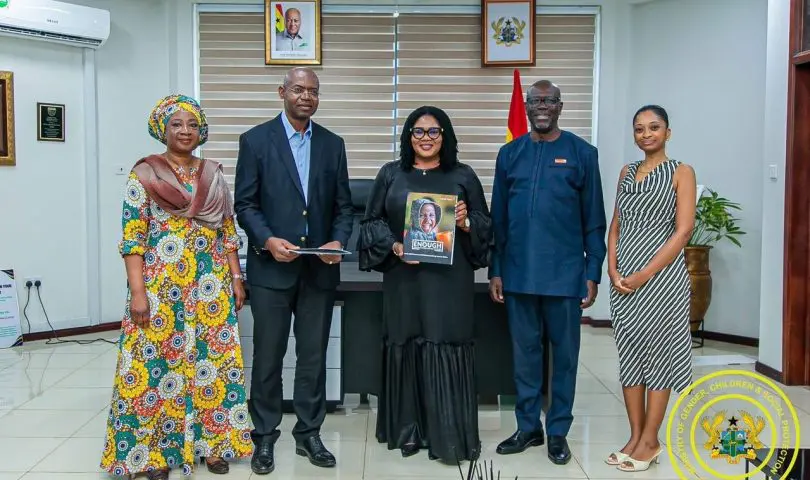

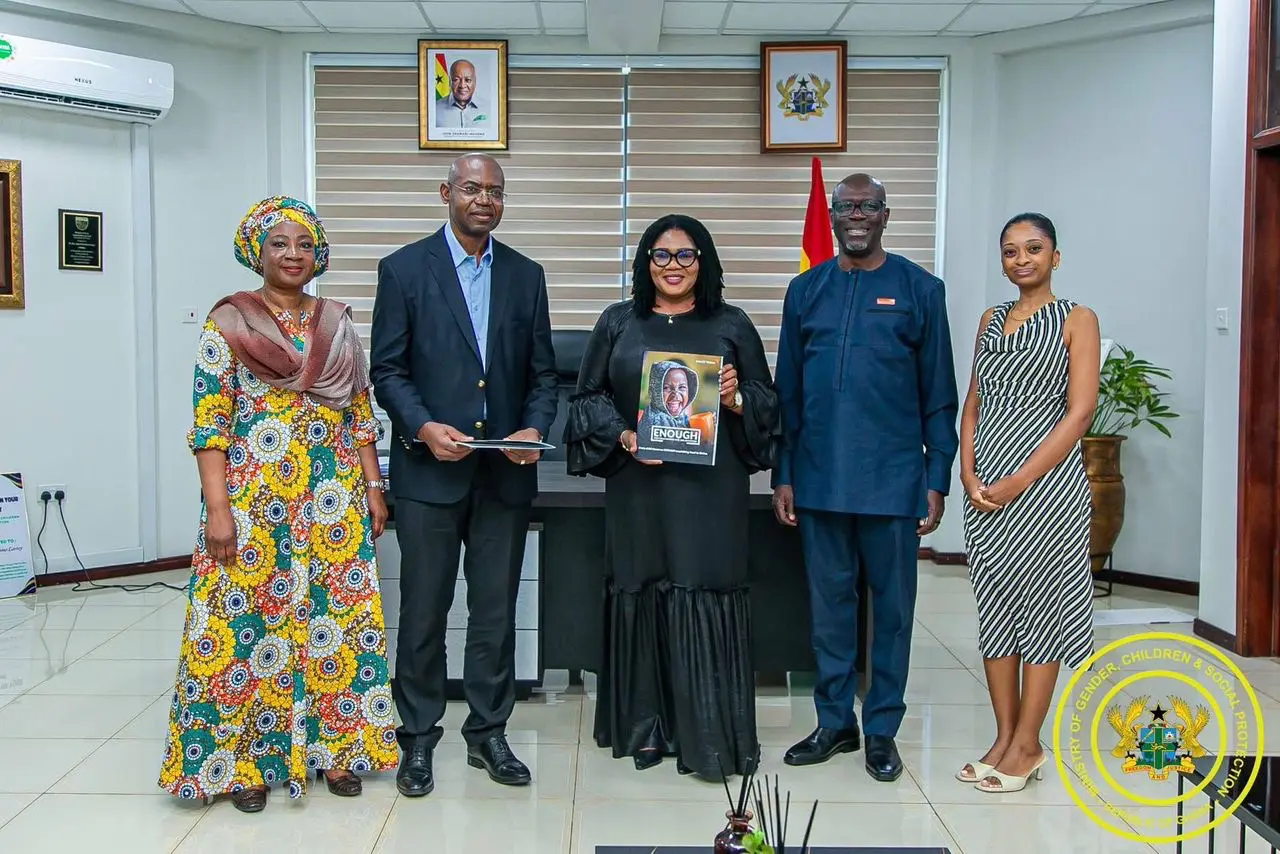
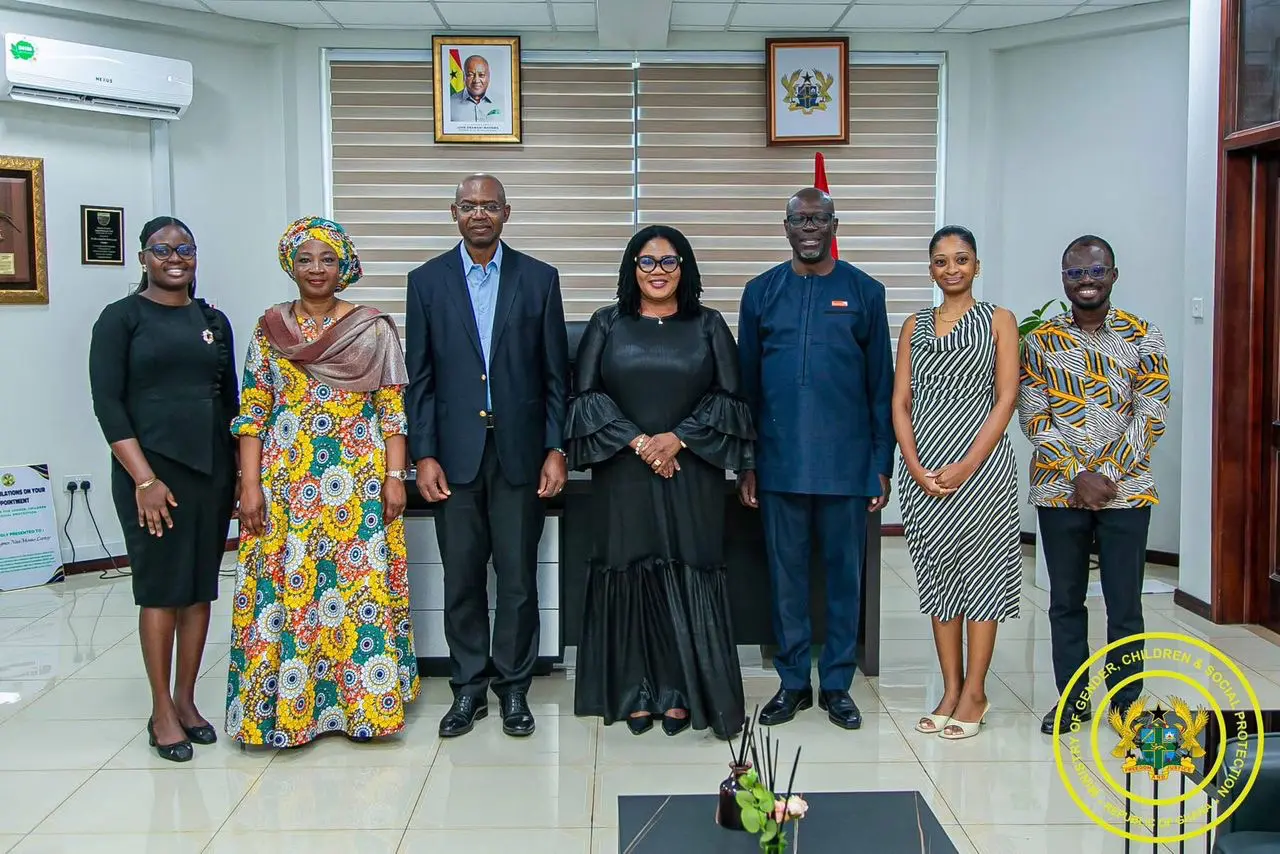
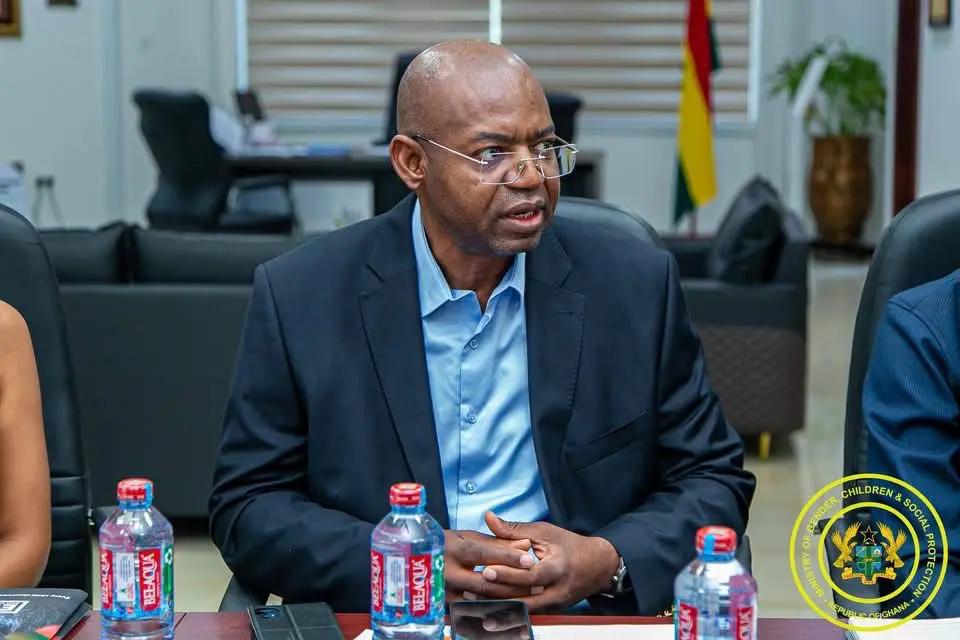
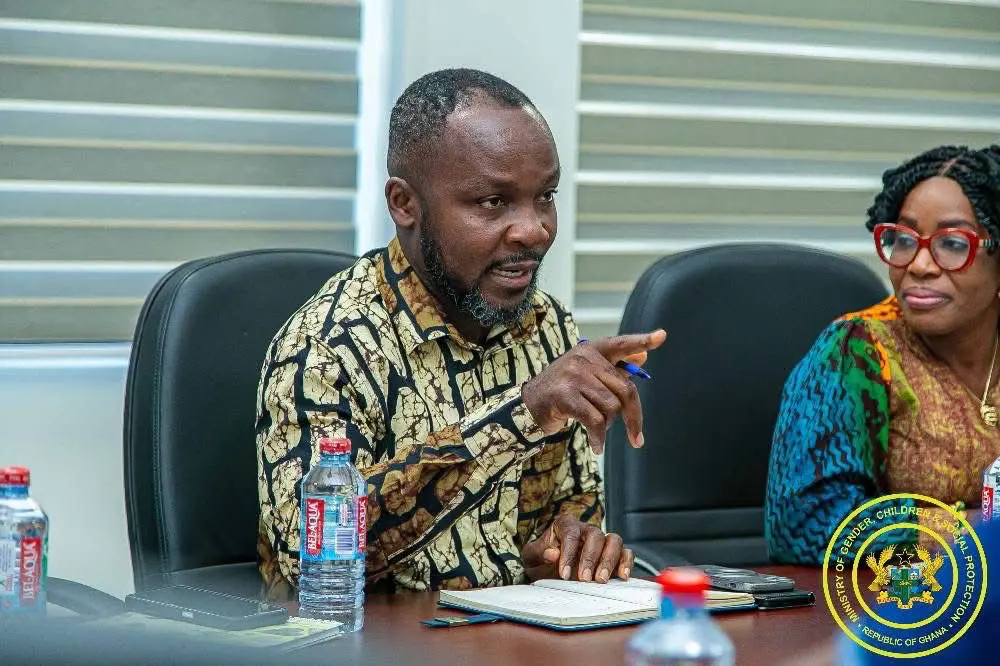
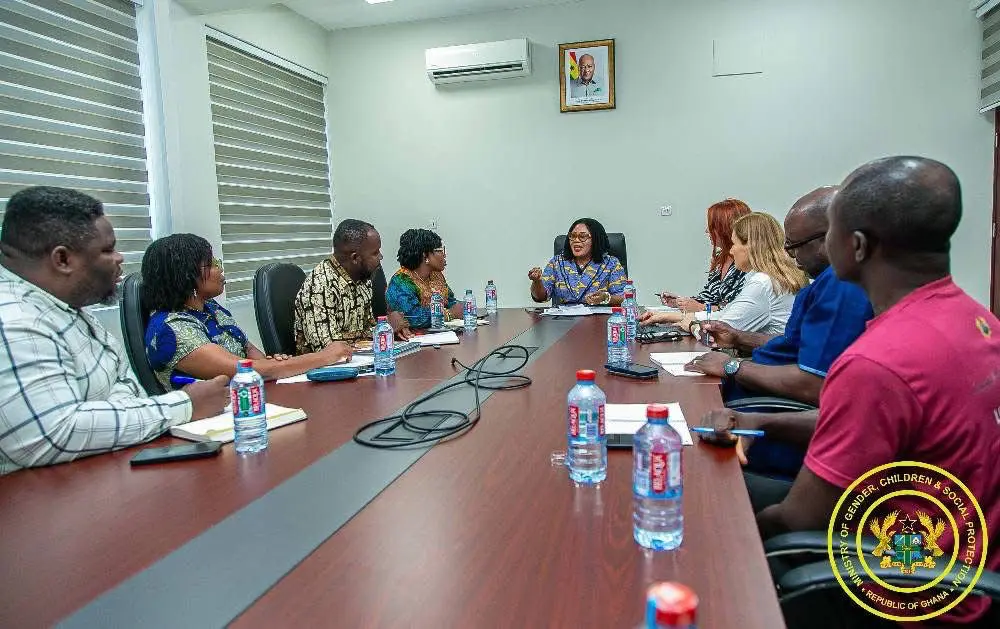
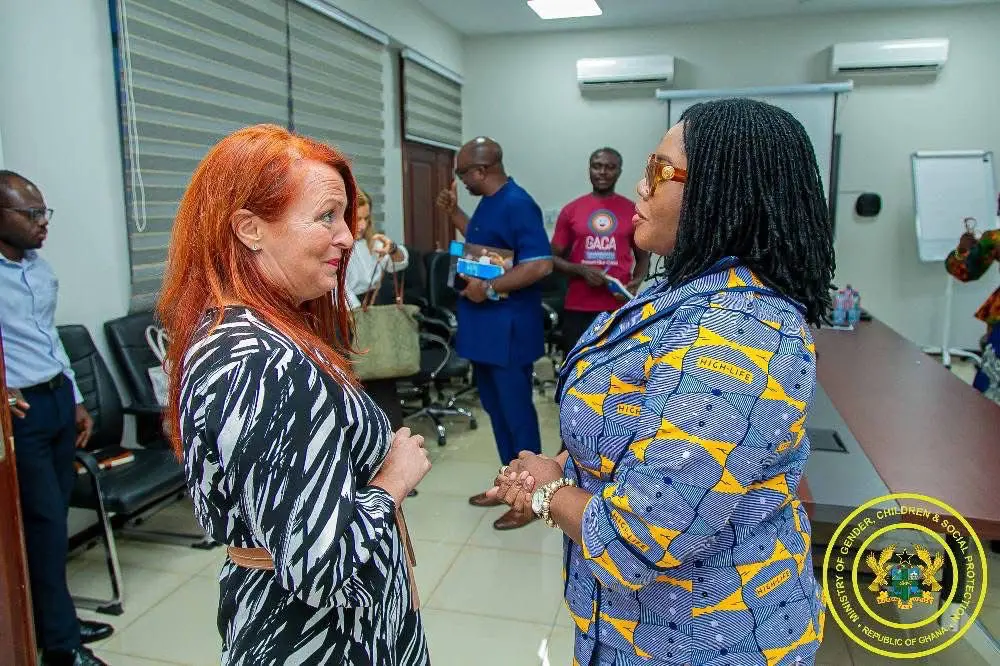
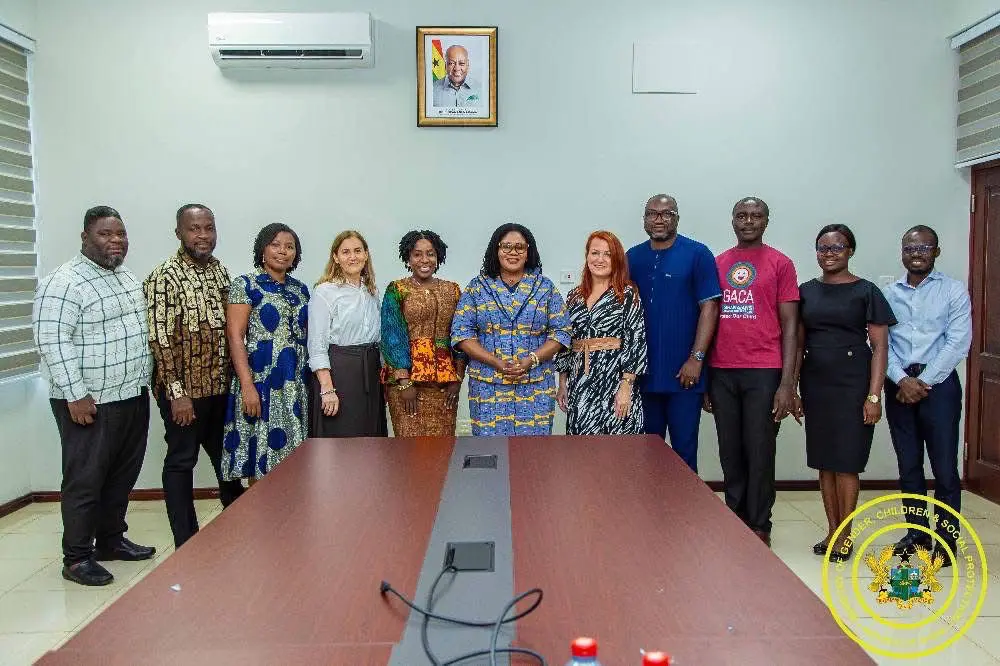
Accra, Ghana – Key development partners engaged in social protection met with the Minister for Gender, Children and Social Protection, Dr. Agnes Naa Momo Lartey, to enhance collaboration and support efforts aimed at addressing the increasing vulnerabilities within Ghana’s populace. Representatives from organizations including UNICEF, the World Bank, and the Foreign Commonwealth Development Office were present to explore strategic avenues for improving the design, coordination, and financing of social protection (SP) programs in Ghana.
Discussions focused on critical priorities such as increasing the national budget allocation for social protection, implementing reforms within the Livelihood Empowerment Against Poverty (LEAP) program and the Ghana School Feeding Programme (GSFP), and planning future increases in LEAP cash grants as part of the broader objective to eradicate extreme poverty.
The development partners underscored the importance of operationalizing the LEAP Indexation Mechanism, an IMF-backed benchmark designed to ensure that benefits are adjusted for inflation and eventually cover at least 20% of household consumption.
The meeting also addressed the ongoing LEAP reassessment, the development of a shock-responsive SP strategy, and the necessity for a robust and inclusive national social registry to support policy targeting and program delivery.
Emphasis was also placed on fostering partnerships with the private sector to enhance the delivery and sustainability of social protection systems in Ghana. Specific attention was given to interventions targeting vulnerable groups, particularly adolescent girls.
The partners expressed interest in empowerment programs, the development of tools to combat teenage pregnancy, and strategies to engage boys and promote positive masculinity as integral components of the broader gender equality agenda.
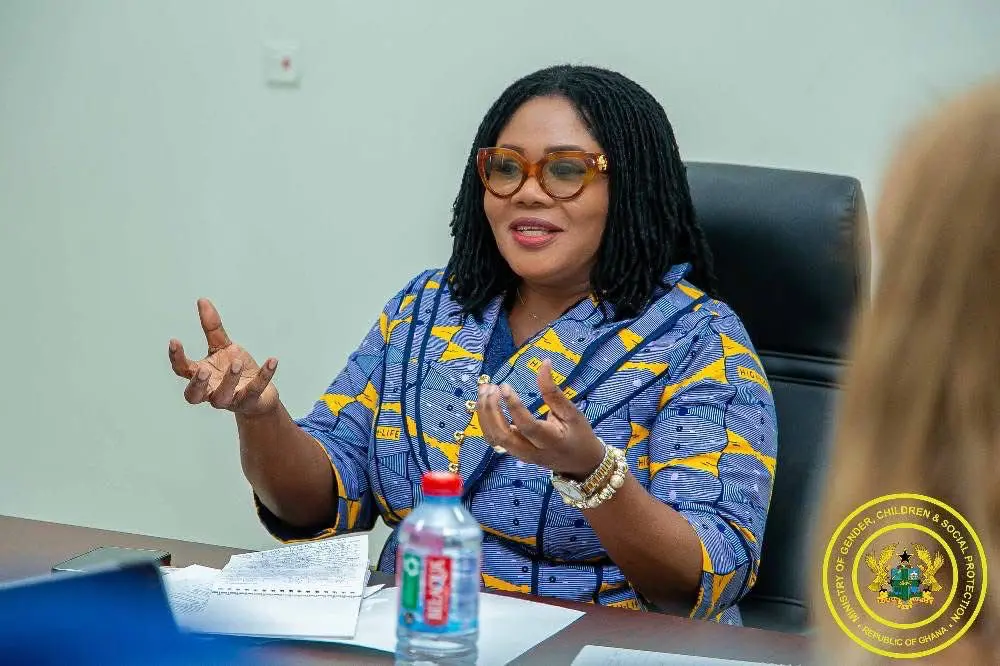
Minister Lartey reaffirmed the government’s commitment, under the leadership of President John Dramani Mahama, to prioritizing and increasing the visibility of social protection in public policy. She stressed the importance of inter-governmental collaboration to deliver integrated services and called for improved program coordination through tools that enable institutions to access and utilize data from the national social registry.
The Sector Minister also highlighted the government’s dedication to strengthening gender-responsive policies, ensuring that both boys and girls are included in the drive for equality and sustainable development. Development partners welcomed the renewed governmental commitment and pledged continued support in areas such as technical assistance, capacity building, policy development, and resource mobilization to ensure that social protection reaches all those in need, especially in the context of rising poverty and widening regional inequalities.



Sankofaonline
