
By: Dr. Lawrence Amuzu
Cholesterol is a type of fat in our bodies that plays a crucial role in maintaining our health. It helps us build cells, digest food, and produce hormones. While it’s essential for these functions, it’s important to maintain balanced cholesterol levels to support overall well-being.
In the realm of health and wellness, the term “cholesterol” often carries a negative connotation. However, not all cholesterol is created equal. Let’s delve into the world of cholesterol and understand the different types, along with practical strategies to manage them for a healthier lifestyle.
What is HDL Cholesterol?
High-Density Lipoprotein (HDL) cholesterol is commonly known as the “good” cholesterol. It earns this reputation because it helps remove other forms of cholesterol from your bloodstream, transporting it to the liver where it can be processed and excreted. Higher levels of HDL cholesterol are associated with a lower risk of heart disease and stroke, making it an essential component of your overall cardiovascular health.
What is LDL Cholesterol?
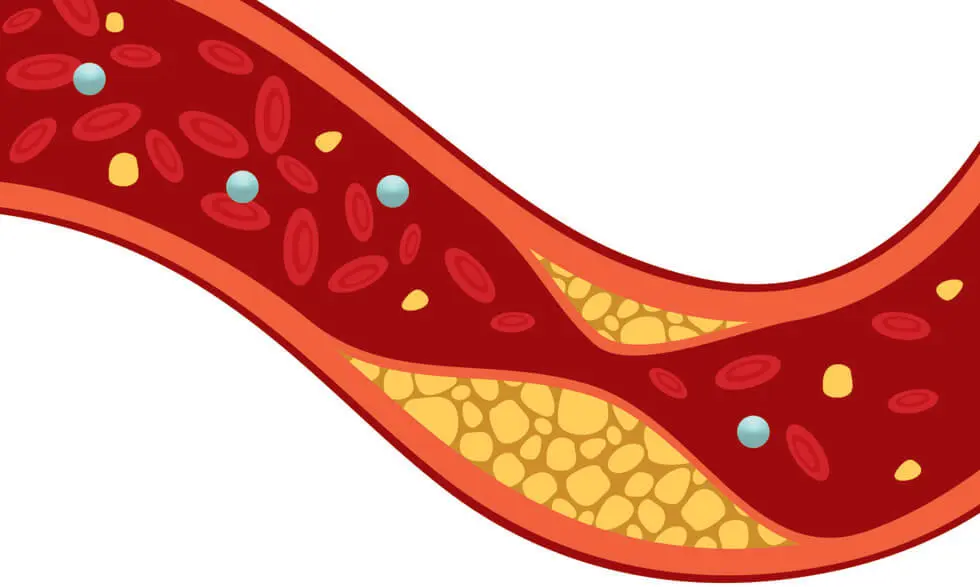
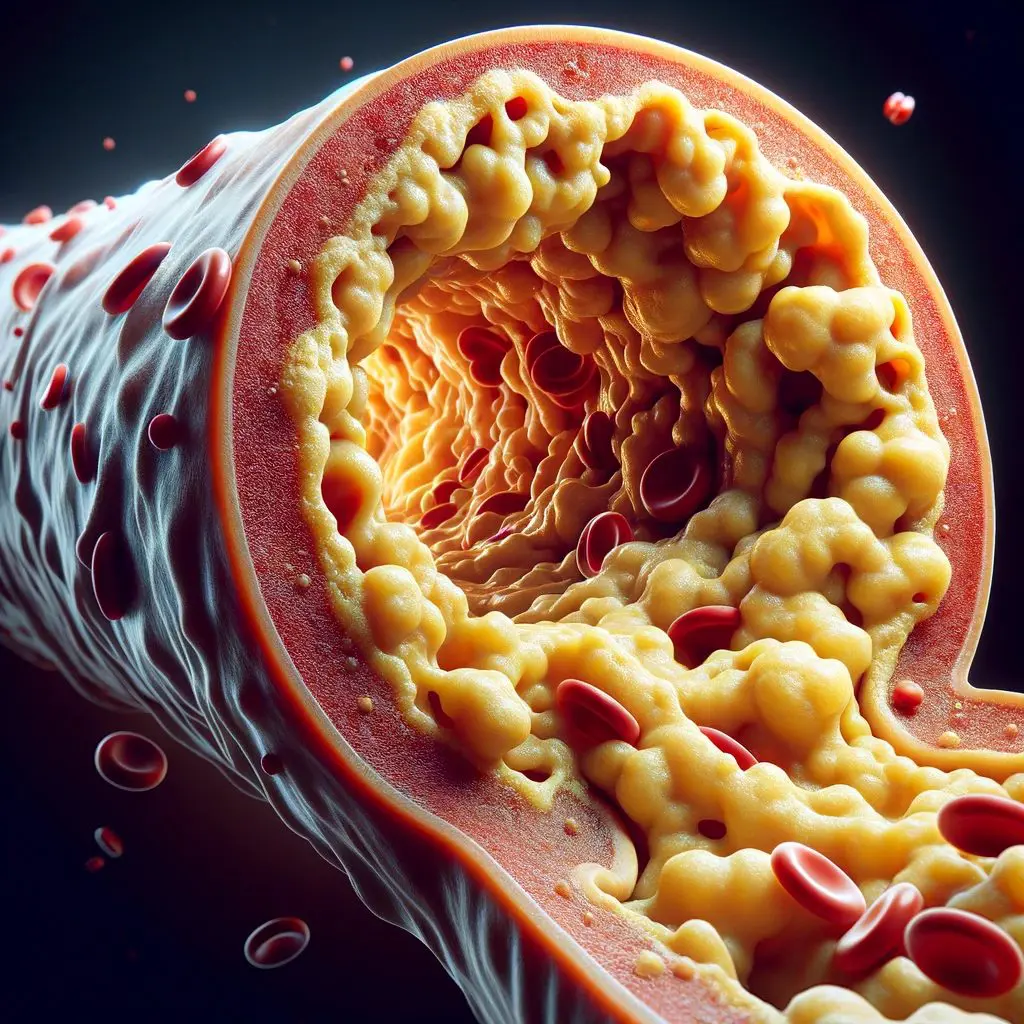
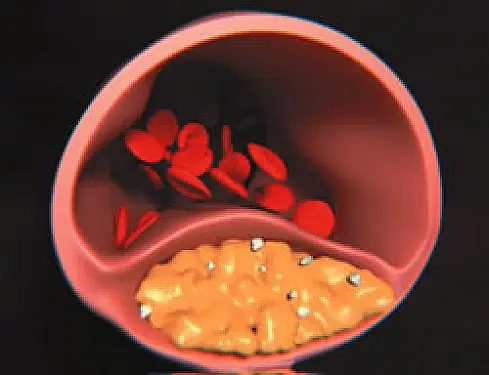
Low-Density Lipoprotein (LDL) cholesterol, on the other hand, is often referred to as the “bad” cholesterol. High levels of LDL cholesterol can lead to the buildup of plaque in your arteries, which increases the risk of heart attacks and strokes. Keeping LDL cholesterol levels in check is crucial for maintaining a healthy heart.
How to Increase HDL Cholesterol (“Good” Cholesterol)
Boosting your HDL cholesterol can be achieved through several lifestyle changes:
1. Exercise Regularly: Aim for at least 30 minutes of moderate-intensity exercise most days of the week. Activities like brisk walking, cycling, and swimming can significantly raise HDL levels.
2. Maintain a Healthy Weight: Losing even a small amount of weight if you’re overweight can have a positive impact on your HDL cholesterol levels.
3. Eat Healthy Fats: Incorporate foods like avocados, nuts, olive oil, and fatty fish such as salmon and mackerel into your diet. These foods are rich in healthy fats that can help increase HDL levels.
4. Limit Saturated and Trans Fats: Avoid foods high in saturated fat like full-fat dairy and processed meats, and limit trans fats found in many fried foods.
5. Eat Fiber-Rich Foods: Whole grains, beans, and lentils are excellent sources of fiber that can support healthy cholesterol levels.
6. Quit Smoking: Smoking significantly lowers HDL levels, so quitting can help improve your HDL cholesterol.
7. Moderate Alcohol Consumption: For healthy adults, moderate alcohol intake (up to one drink per day for women, two for men) may slightly raise HDL cholesterol. However, consult your doctor before using alcohol to manage cholesterol.
How to Lower LDL Cholesterol (“Bad” Cholesterol)
Lowering LDL cholesterol involves a combination of lifestyle modifications and dietary changes:
1. Reduce Saturated and Trans Fats: Limit intake of fatty meats, full-fat dairy products, processed foods, and fried foods.
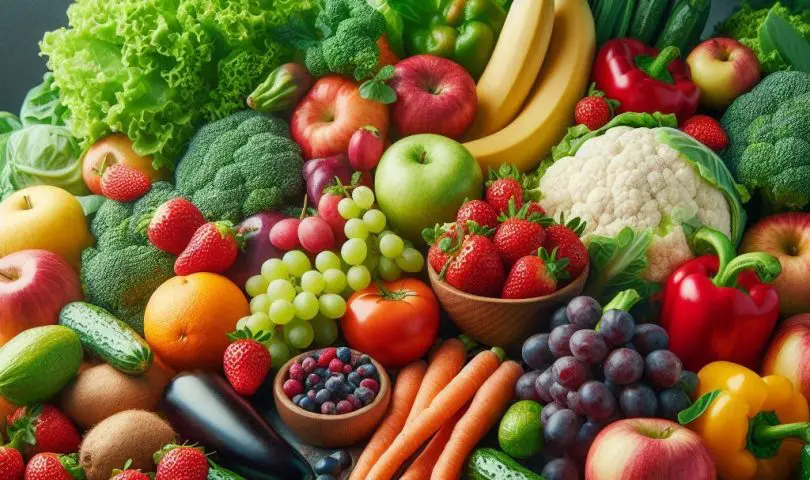
2. Increase Soluble Fiber: Consume plenty of fruits, vegetables, whole grains, beans, and nuts, which are rich in soluble fiber that can help lower LDL levels.
3. Engage in Regular Physical Activity: Aim for at least 150 minutes of moderate-intensity exercise per week. Consistent physical activity can help reduce LDL cholesterol.
4. Lose Weight if Overweight or Obese: Shedding even a few pounds can make a significant difference in your LDL cholesterol levels.
5. Include Foods Rich in Plant Sterols and Stanols: These compounds, found in soy products, vegetable oils, and some fortified foods, can help lower LDL cholesterol.
6. Consume Omega-3 Fatty Acids: Found in fish, flaxseed, and walnuts, omega-3 fatty acids can help manage cholesterol levels.
7. Consider a Mediterranean-Style Diet: Emphasize fruits, vegetables, whole grains, fish, and olive oil in your diet. This dietary pattern has been shown to improve cholesterol levels.
Medications
In some cases, lifestyle changes alone may not be enough to manage cholesterol levels. Your doctor may recommend medications such as:
1. Statins: These are the most common and effective medications for lowering LDL cholesterol.
2. PCSK9 Inhibitors: These newer medications can further lower LDL levels in individuals who do not adequately respond to statins.
3. Ezetimibe: This medication blocks the absorption of cholesterol in the intestines.
By understanding the roles of HDL and LDL cholesterol and implementing these strategies, you can take proactive steps towards achieving better heart health and overall well-being. Remember to consult with your healthcare provider before making significant changes to your diet or exercise routine. Here’s to a healthier, happier you!
Source: Dr. Lawrence Amuzu