

In a recent turn of events, Ghana’s Supreme Court swiftly intervened to halt the Speaker of Parliament’s decision to annul the parliamentary seats of four parliamentarians. While this prompt action might seem commendable on the surface, it has sparked significant controversy and debate among citizens.
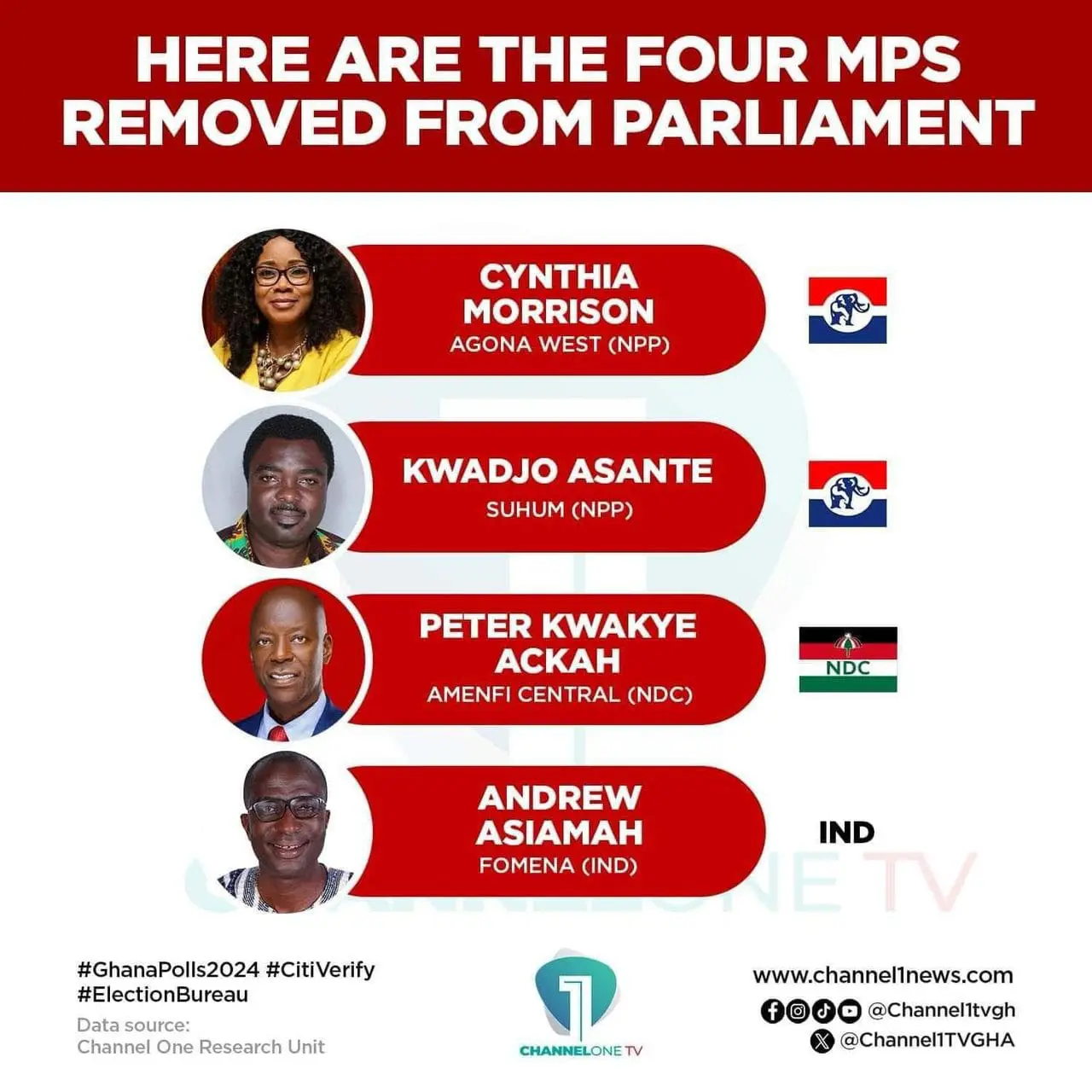
Observers have noted a concerning trend in the Supreme Court’s actions, suggesting that the judiciary appears increasingly aligned with the current administration. This perception of the court as an extension of governmental power undermines public confidence in its independence and impartiality. It raises pressing questions about the integrity of Ghana’s democratic institutions.
When one takes into consideration the Supreme Court’s lackluster attitude towards addressing the disenfranchisement of the people of SALL, one wonders what makes them react like lightning in this situation. This inconsistency only fuels the perception that the court’s actions are influenced by political motivations rather than a commitment to justice.
Many Ghanaians are voicing their longing for a rigorous house-cleaning exercise, reminiscent of the measures taken by former President J.J. Rawlings. The decisive actions of June 4th, a pivotal moment in Ghana’s history, are seen by some as the kind of intervention needed to address the current state of affairs.
The decision to annul the parliamentary seats of these four members is a critical issue that warrants careful scrutiny and debate. The swift response by the Supreme Court, however, has only added fuel to the fire, intensifying the call for greater transparency and accountability.
As the nation watches closely, the broader implications of this legal battle are being weighed. Will it lead to a strengthened judiciary that stands firm on principles of fairness and justice, or will it deepen the divide between the government and its citizens?
This situation underscores the need for continuous vigilance and active engagement by all stakeholders in safeguarding the democratic fabric of Ghana. The actions of today will undoubtedly shape the future, making it imperative that they are guided by integrity and a genuine commitment to the people.
The coming days will be critical in determining how this saga unfolds and whether it will catalyze meaningful reforms or further erode trust in the nation’s institutions.
Source : Sankofaonline.com