

Richard Dela Sky, a renowned broadcaster and lawyer, has sparked a crucial conversation on his social media platforms about Ghana’s Parliament. At the center of the debate are Speakers Prof. Mike Oquaye and Alban Bagbin, who have declared parliamentary seats vacant, exceeding their constitutional authority. According to Ghana’s Constitution, specifically Article 99(1), the High Court has the exclusive power to determine seat vacancies, not the Speaker. This ensures that Members of Parliament (MPs) accused of vacating their seats have a fair and impartial forum to defend themselves, upholding natural justice principles.
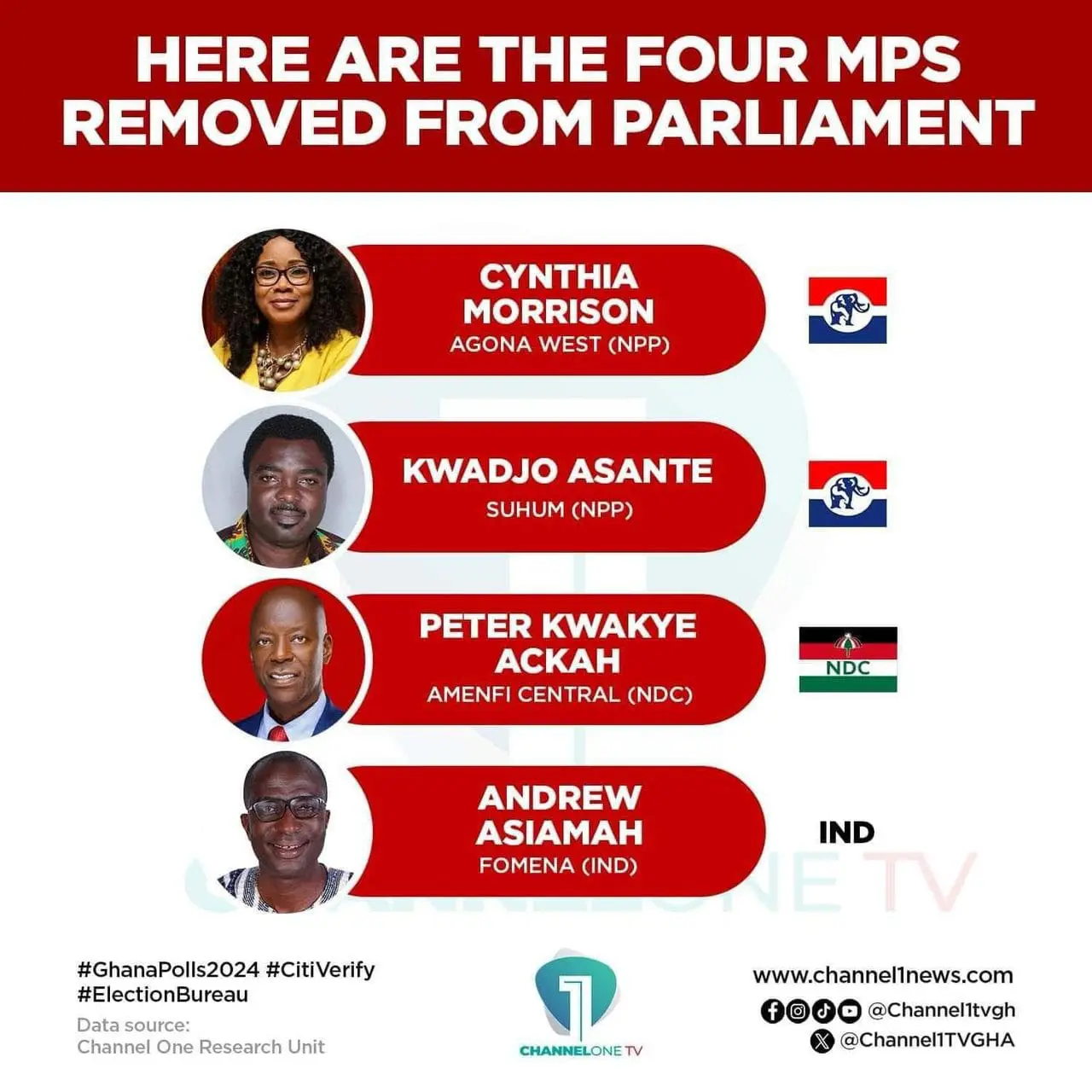
The Constitution clearly outlines the Clerk’s role in notifying the Electoral Commission of vacancies, triggering by-elections within 30 or 60 days, depending on the circumstance. However, the Speaker’s actions undermine the separation of powers and the rule of law, setting a dangerous precedent for unfairly removing MPs without due process.
Sky argues that the judiciary must intervene to reaffirm constitutional boundaries and prevent future encroachments. It’s crucial for all government organs, including Parliament, to operate within their constitutionally defined limits to maintain democratic integrity. The concerns raised by Sky are multifaceted, highlighting the Speakers’ actions as a clear constitutional overreach that undermines natural justice and the principle of separation of powers.
This disregard for the rule of law has far-reaching implications for Ghana’s democratic system. To address these concerns, judicial intervention is necessary to reaffirm constitutional boundaries and prevent future encroachments. Strict adherence to constitutional processes for determining seat vacancies is essential. Moreover, Parliament must operate within its constitutionally defined limits.
The implications of this overreach are significant. The Speakers’ actions constitute a constitutional overreach, undermining natural justice and the principle of separation of powers. This disregard for the rule of law has far-reaching implications for Ghana’s democratic system.
Judicial intervention is necessary to reaffirm constitutional boundaries and prevent future encroachments. Strict adherence to constitutional processes for determining seat vacancies is essential. Moreover, Parliament must operate within its constitutionally defined limits.
By addressing these concerns, Ghana can ensure the integrity of its democratic system and protect the rights of elected representatives and the electorate.
Ruth Abla ADJORLOLO