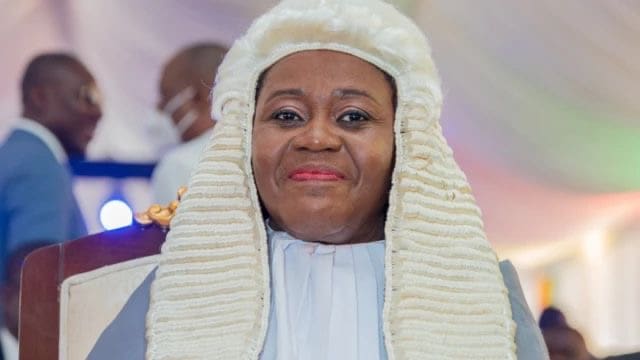

A recent development has sparked controversy over the role of the Chief Justice in appointing judges to the Supreme Court. According to reports, the Chief Justice submitted a list of nominees to the President for appointment to the court they preside over, a move that has been described as “constitutionally corrosive.”
The process has been criticized for undermining the independence of the judiciary and creating a culture of deference among judges. One of the judges named in the process was presiding over a high-profile prosecution, raising concerns about the appearance of impartiality and the potential impact on public trust in the judiciary.
Critics argue that the process flaws have cast a shadow over the judge’s role and compromised the institution’s integrity. The selective reconstitution of panels has further fueled concerns about the blurring of lines between judicial neutrality and political entanglement.
The development has raised questions about the potential long-term damage to the country’s judicial architecture and the need for a reversal of the process to restore public trust and maintain the integrity of the judiciary.
Ruth Abla ADJORLOLO