

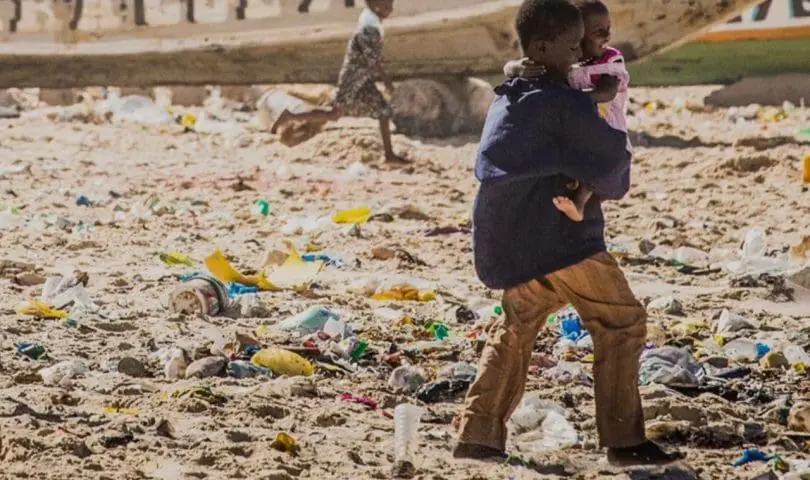

As the world grapples with the devastating impacts of climate change, adaptation has become a necessity for survival. The World Bank reports that 1.2 billion people were exposed to climate-related hazards in 2021, including floods, drought, cyclones, and heatwaves.
South Asia is the most vulnerable region, with nearly 90% of its population facing climate-related risks, primarily due to heatwaves. The Middle East and North Africa also face significant exposure to heatwaves, while drought is the primary concern in Europe and Central Asia, and Sub-Saharan Africa.
However, adaptation efforts can make a significant difference. Simple measures like unclogging drains and collecting waste after floods can prevent illness and displacement. More comprehensive strategies, such as resettlement and skills training, are also being implemented.
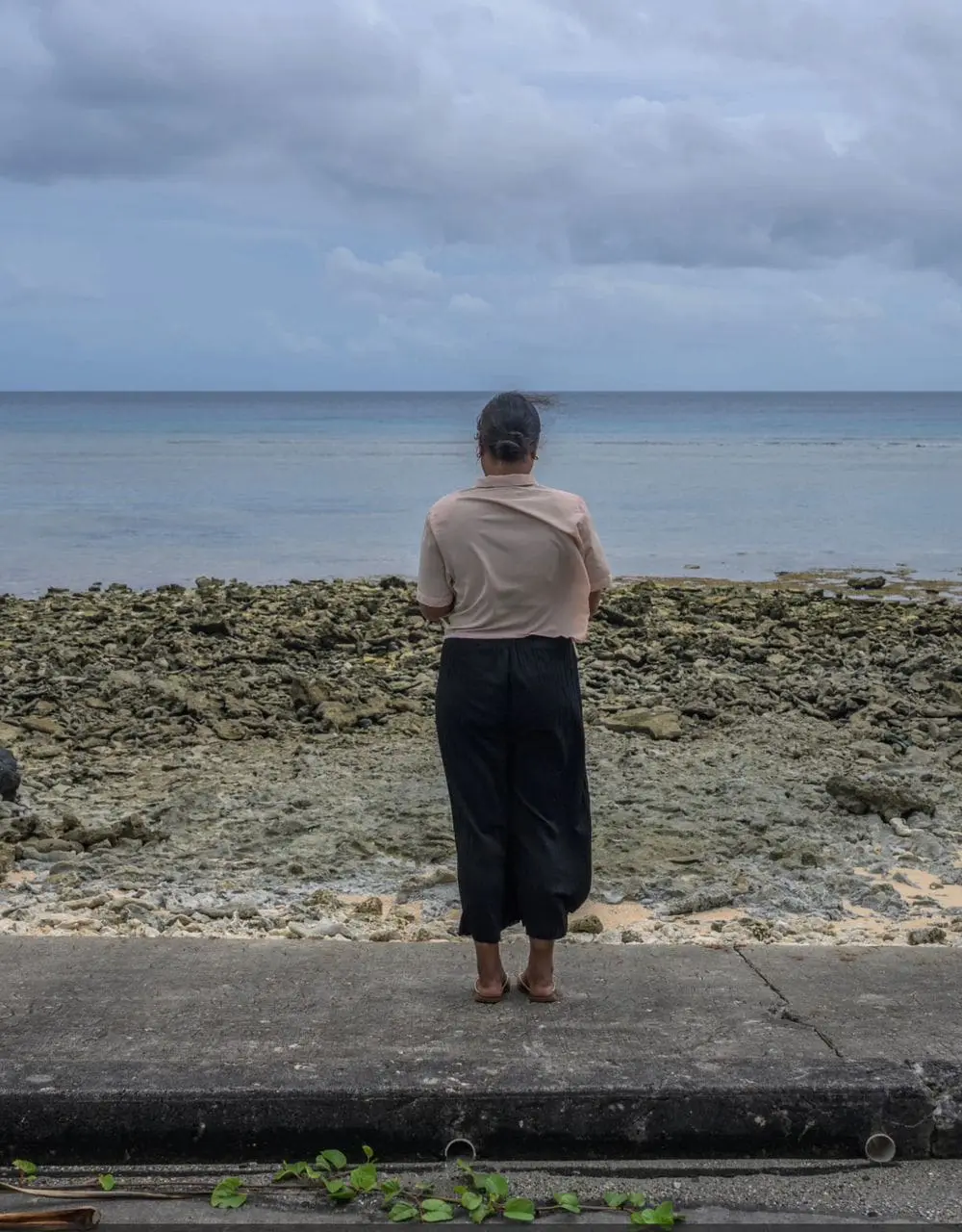
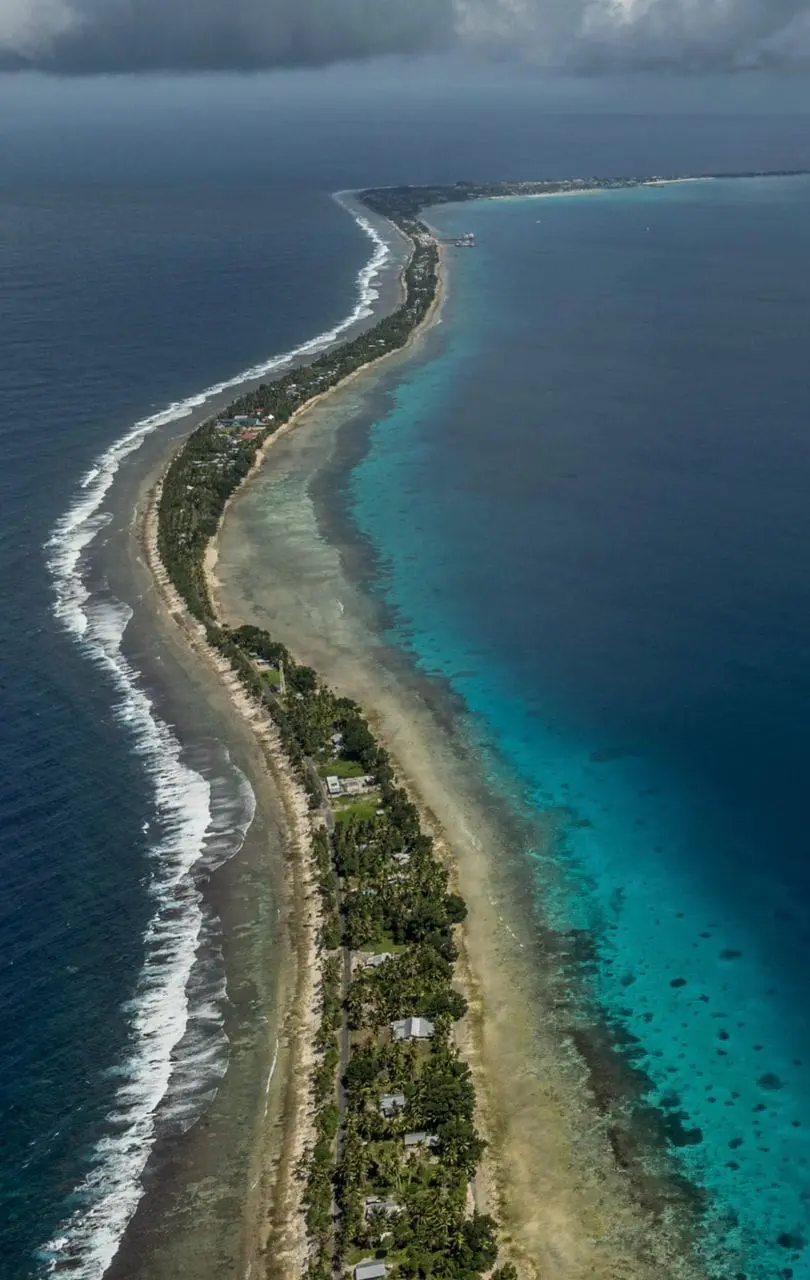
Tuvalu, a Pacific Island nation threatened by rising sea levels, is a stark example. Youth climate activist Grace Malie lamented, “Tuvalu has been our sanctuary for generations. A sanctuary that the world is now washing away.”
But Tuvalu’s adaptation efforts, including an agreement with Australia for resettlement and skills training, demonstrate the global shift towards resilience. The World Bank emphasizes that adaptation, alongside reducing greenhouse gas emissions, is crucial in the fight against climate change.
By adapting to the new reality, people and the planet can become more resilient, ensuring the survival of future generations. As the world continues to warm, the importance of adaptation cannot be overstated.
Ruth Abla ADJORLOLO
