

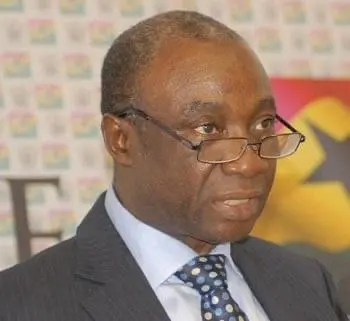

The persistent decline of the Ghana Cedi has taken a devastating toll on the Electricity Company of Ghana (ECG), resulting in massive losses. According to Dr. Kwabena Donkor, Chairman of the Parliamentary Committee on Public Administration, the cedi’s depreciation plays a pivotal role in ECG’s financial struggles.
In 2023, ECG incurred losses exceeding GH¢10 billion, with a staggering GH¢8.3 billion attributed to net exchange rate losses. This significant financial blow stems from the company’s revenue being cedi-denominated, while a substantial portion of its payables are dollar-denominated. Whenever the cedi loses value, ECG takes a hit, exacerbating its financial woes.
Dr. Donkor attributes the cedi’s instability to macroeconomic mismanagement, particularly monetary policy. He emphasizes that a stable exchange rate, achievable through a well-performing economy, would alleviate ECG’s struggles. Currently, 70-80% of ECG’s payables are dollar-denominated, including payments to VRA, IPPs, and Bui Power.
While acknowledging the impact of external factors, Dr. Donkor also stresses the need to address ECG’s internal inefficiencies. These include under-recovery, low revenue collection rates, and systemic waste. To mitigate these challenges, he advocates for a stable macroeconomic environment and internal reforms to optimize ECG’s operations.
This development underscores the far-reaching consequences of the cedi’s depreciation, affecting not only businesses and individuals but also critical public services like electricity distribution. As Ghana navigates its economic challenges, finding solutions to stabilize the cedi and strengthen ECG’s financial resilience is crucial.
Ruth Abla ADJORLOLO
