




ACCRA — The Bank of Ghana (BoG) is moving forward with plans to introduce non-interest banking and finance in the country, a move aimed at expanding the nation’s financial landscape. In a key consultation held on September 3, 2025, Governor Dr. Johnson Asiama, along with a team from the central bank, met with a delegation from various Islamic groups. The meeting, which took place at the Bank Square, was spearheaded by representatives from the Office of the National Chief Imam and is part of a broader dialogue to lay the groundwork for this new banking system.
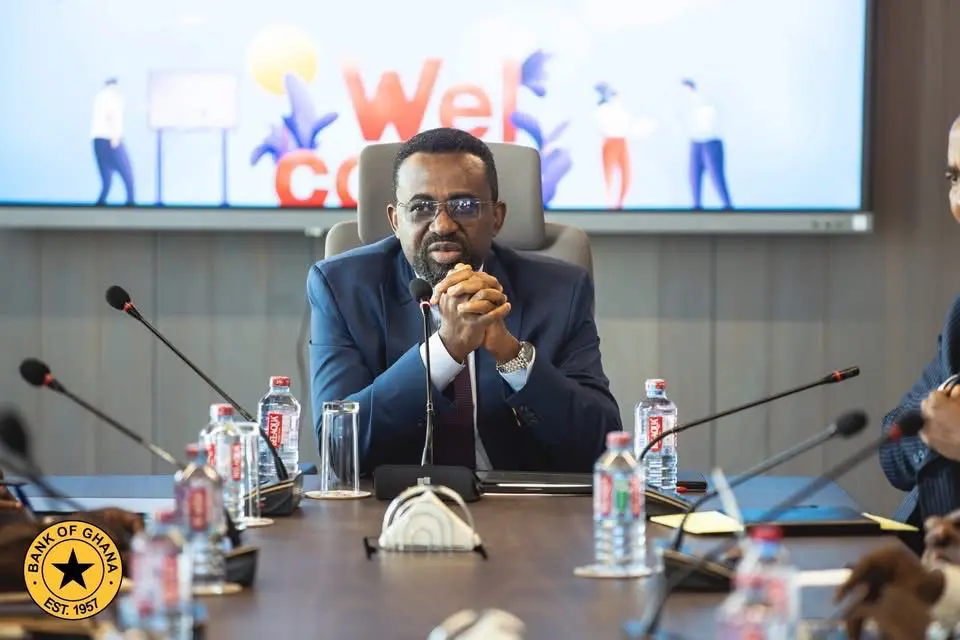
The initiative is being framed by the central bank as a significant step toward achieving greater financial inclusion. During the discussions, Dr. Asiama highlighted that the establishment of non-interest banking would open up a range of new opportunities for a wider segment of the population. This banking model, which operates without charging or paying interest, is designed to be accessible to individuals and communities who may have previously been excluded from conventional banking services due to their religious beliefs or other principles.
Representing the Islamic groups, Sheikh Armiyawo Shaibu, the spokesperson for the National Chief Imam, emphasized the economic rationale behind the proposal. He underscored that the development of non-interest banking should be viewed primarily as a sound business case rather than a religious matter. This perspective suggests that the model’s appeal and benefits extend beyond faith-based communities to the general economy, by fostering a more diverse and robust financial sector that can attract a new pool of investors and depositors.
The meeting marks a pivotal moment in the central bank’s efforts to modernize and diversify Ghana’s financial system. By engaging with key community leaders and stakeholders, the BoG is seeking to ensure a smooth and well-informed transition towards a financial framework that can accommodate both conventional and non-interest-based models. This move is expected to not only broaden access to financial services but also stimulate economic growth by providing an alternative platform for investment and trade.
Ruth Abla ADJORLOLO
