

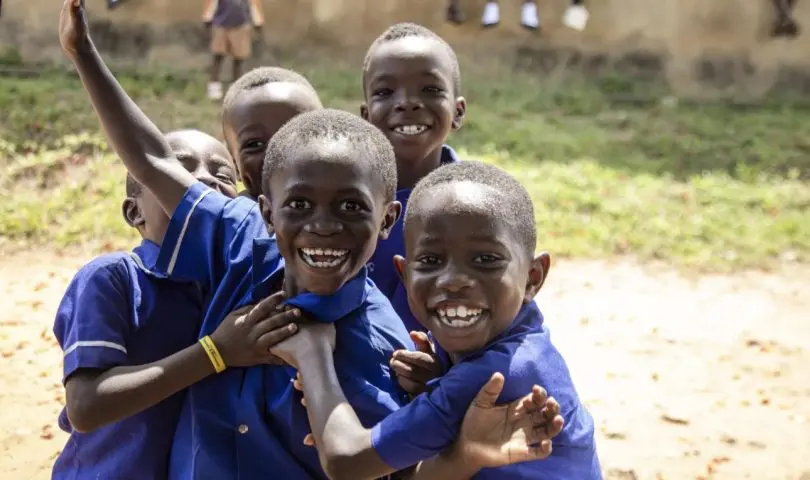

Profile Picture : Credit UNICEF
Sankofaonline News Desk: July 20 , 2025
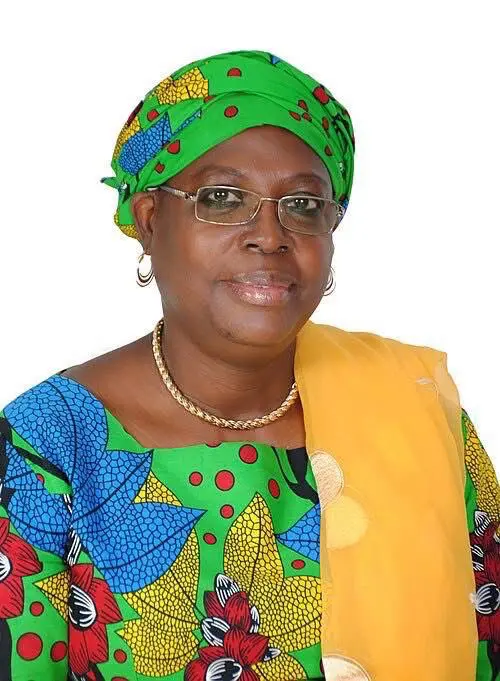
The brutal beating of a 12-year-old child captured and circulated in a viral video has shattered the national conscience. The violence was not just senseless; it was symptomatic of deeper societal failures. In response, Member of Parliament for Salaga South, Zuwera Mohammed Ibrahimah, delivered a fierce and timely address to Parliament, demanding swift action to defend Ghana’s most defenseless citizens: its children.
At Sankofaonline, we refuse to let this be another fleeting outrage. We echo MP Ibrahimah’s charge with unwavering conviction. According to the 2023 Ghana Multiple Indicator Cluster Survey, 22% of children aged 1–14 experience violent discipline—a staggering statistic that hides countless stories of trauma, fear, and stolen innocence. These are not just numbers. These are lives—fragile, forming, and far too often forgotten.
MP Ibrahimah’s impassioned intervention was more than commendable; it was catalytic. Yes, the Ghana Police Service responded swiftly to the incident—but this is not just about one case. The real threat is the silent epidemic of abuse festering in homes, schools, and communities across the country. We cannot wait for the next viral video. The system must evolve from reactive punishment to proactive protection.
Her proposals light the way: nationwide education campaigns to foster awareness and reshape cultural norms; legal reform and enforcement that delivers justice, not just promises; community empowerment to report abuse without fear or retaliation.
Legislators must do more than offer sympathy—they must lead. Strengthening protective laws is just the beginning. These laws must be enforced with urgency and supported with resources. MP Ibrahimah said it best: “Let us reaffirm our collective resolve to champion human rights, protect the vulnerable, and build a future where every child in Ghana and beyond can live in safety and dignity.” This is not a rhetorical flourish. It is a national imperative.
We must dismantle the belief that violence is discipline. We must build communities where safeguarding children is sacred, not optional. This calls for consistent public messaging that redefines childhood and protection; accountability at every level—from homes to institutions; and a shift in public consciousness where every citizen sees child protection as a civic duty.
This moment is not an anomaly—it’s a mirror. If we look away now, we endorse the abuse. If we act, we reimagine Ghana as a nation where every child is safe, empowered, and given the dignity they deserve.
Let this be the line we refuse to cross again. No more tolerance. No more silence. No more broken children.
