
By: Fuvi Kloku
Pictures follow the story
Accra, Ghana’s vibrant capital, and indeed many of its regional counterparts, have long grappled with the devastating consequences of perennial flooding. The scenes of submerged properties, displaced families, and tragic loss of life have become an all too familiar and heartbreaking reality. However, a bold and decisive intervention by the current Mahama regime is laying the groundwork for a future where communities can finally thrive, free from the constant threat of inundation.
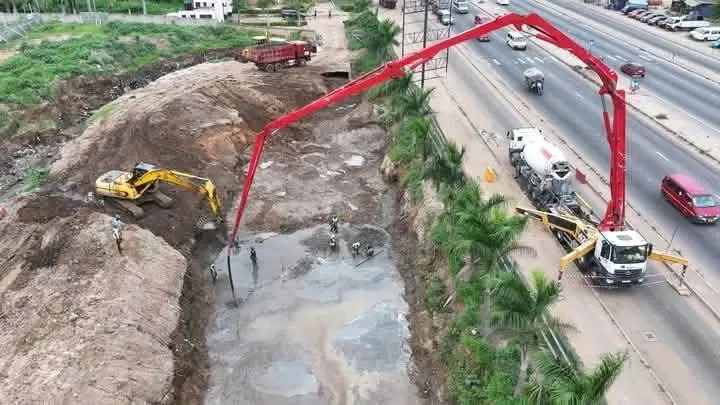
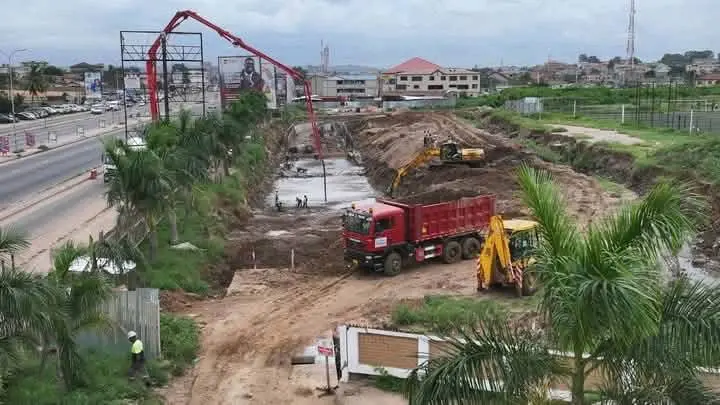
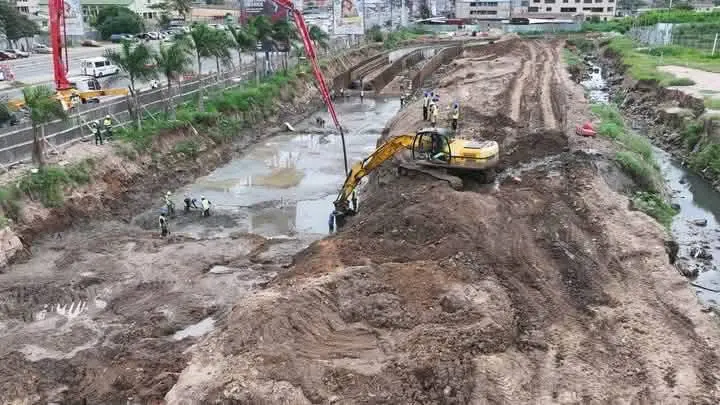
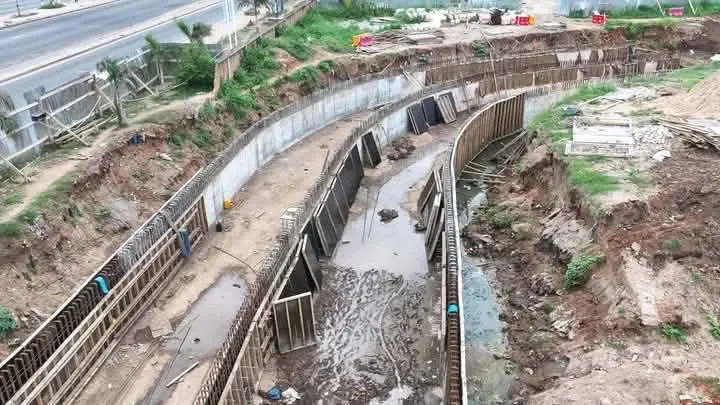
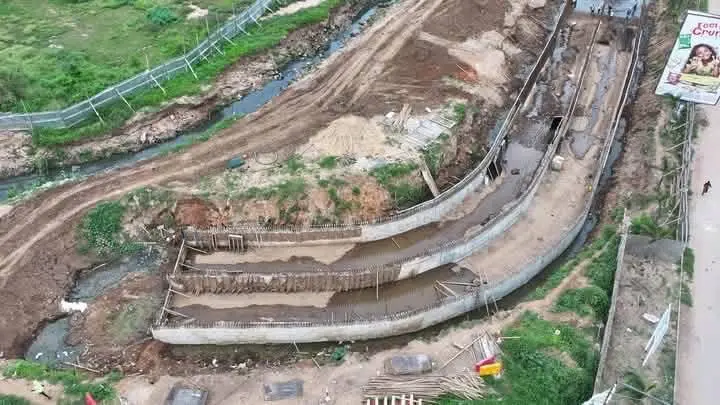
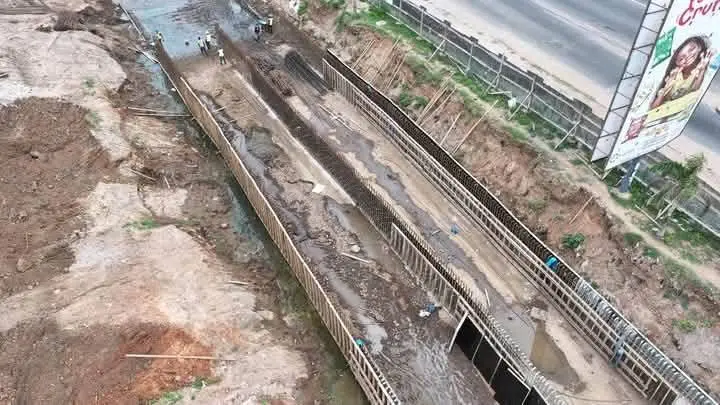
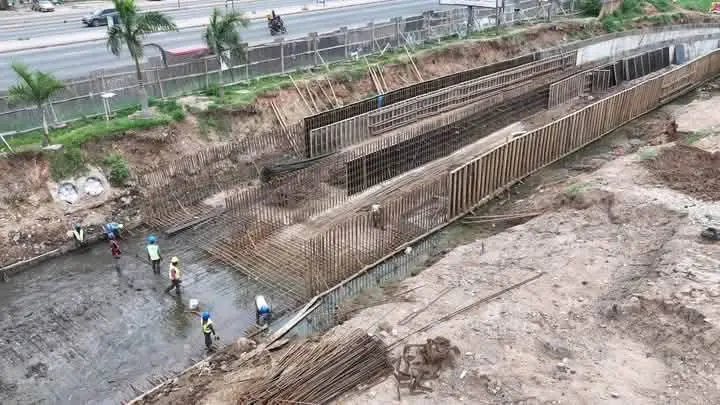
One of the most significant pillars of this renewed commitment is the Greater Accra Resilient and Integrated Development (GARID) Project. This ambitious, World Bank-funded initiative is spearheading major drainage improvement works that are currently underway in Kaneshie, a community historically ravaged by floods. These works are not merely about digging deeper channels; they are about fundamentally transforming the urban landscape to create a truly resilient and flood-safe environment for residents and businesses alike.
The efforts in Kaneshie are a testament to a shift towards proactive, rather than reactive, flood management. By investing in robust drainage infrastructure, the government is addressing a critical vulnerability at its source, building a foundation upon which economic activity can flourish and lives can be safeguarded.
However, the success of these vital projects hinges on a crucial partnership: the active participation and behavioral change of the community. Far too often, the effectiveness of drainage systems is undermined by the indiscriminate dumping of trash and other debris, leading to blockages and exacerbating flooding during heavy rains. This is a fervent appeal to all businesses and individuals in Kaneshie and beyond: STOP CHOKING OUR DRAINS! Your actions directly impact the safety and livelihoods of your neighbors. Dispose of waste responsibly, utilize designated collection points, and understand that our collective well-being depends on it.
Furthermore, the persistent issue of illegal construction in flood zones poses a significant obstacle to effective water flow. Building in areas prone to flooding not only endangers the occupants of these structures but also impedes the natural movement of water, contributing to wider-spread flooding. Government agencies must intensify efforts to enforce zoning regulations and swiftly address unauthorized constructions that jeopardize public safety and infrastructure.
Beyond the immediate improvements, it is imperative for the government to address a more systemic challenge: the prevalence of open drainage systems across Ghana. While these may have served a purpose in the past, they are increasingly ill-suited for modern urban environments. Open gutters are not only unsightly and a public health hazard, breeding grounds for disease vectors, but also highly susceptible to clogging.
It is time for a paradigm shift:
- Covered Drainage Systems: A comprehensive plan for transitioning from open gutters to covered drainage systems is essential. This will not only prevent indiscriminate dumping but also enhance public safety, improve sanitation, and contribute to a more aesthetically pleasing urban environment.
- Scheduled De-silting and Maintenance: Even with covered drains, proactive and regular de-silting and maintenance programs are non-negotiable. Accumulation of silt and debris over time can still reduce drainage capacity, leading to localized flooding. Dedicated teams with appropriate equipment and resources should be deployed for periodic cleaning and upkeep.
- Integrated Waste Management: The issue of waste management is inextricably linked to flood control. Investing in efficient waste collection services, promoting recycling, and establishing proper landfill sites are crucial steps to prevent waste from ending up in our drains.
- Public Awareness and Education Campaigns: Continuous and engaging public awareness campaigns are vital to instill a sense of shared responsibility. These campaigns should highlight the dangers of improper waste disposal, the importance of reporting illegal dumping, and the benefits of a clean and resilient environment.
- Community-Led Initiatives: Empowering local communities to take ownership of their drainage systems through clean-up exercises and community-based monitoring programs can significantly enhance the effectiveness of flood control efforts.
- Early Warning Systems and Preparedness: Alongside structural interventions, robust early warning systems for impending heavy rainfall and floods are crucial. These systems, coupled with well-rehearsed emergency response plans and evacuation procedures, can save lives and minimize property damage.
- Nature-Based Solutions: Explore and implement nature-based solutions such as wetland restoration, the creation of urban green spaces, and sustainable urban drainage systems (SuDS). These approaches can naturally absorb and manage stormwater, reducing the burden on conventional drainage infrastructure and offering additional environmental benefits.
- Enforcement of Building Codes: Stricter enforcement of building codes and urban planning regulations, particularly regarding construction in flood-prone areas, is paramount. This includes proper demarcation of flood plains and ensuring that new developments incorporate flood-resilient designs.
The drainage improvement works in Kaneshie represent a powerful stride towards a flood-safe Ghana.
However, this is just the beginning. By embracing a holistic approach that combines government commitment, robust infrastructure, community responsibility, and forward-thinking policies, we can truly build a resilient future for all Ghanaians, ensuring that the devastating floods of the past become a distant memory. The time for collective action is now.
Source: Fuvi Kloku