


Sankofaonline News Commentary : September 15,2025.
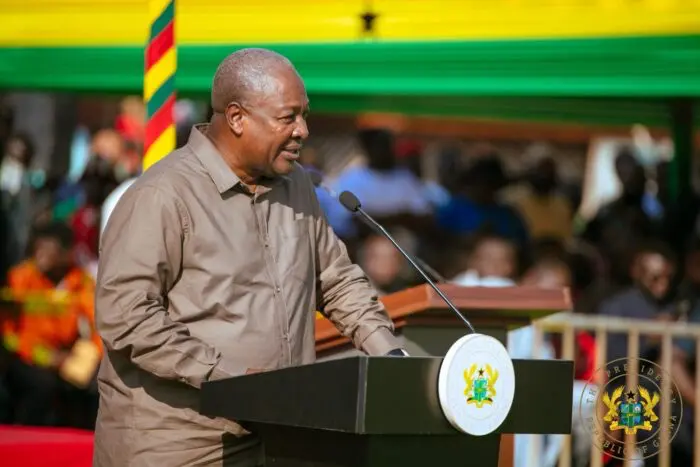
In a ceremony marked by vision and resolve, President John Dramani Mahama today unveiled the Big Push Initiative, a sweeping infrastructure campaign designed to reshape Ghana’s economic future and restore dignity to communities long left behind. From Afienya to Denu, Dodowa to Dawhenya, the nation’s roads are being reborn, not merely as transport routes, but as lifelines of opportunity, unity, and renewal.
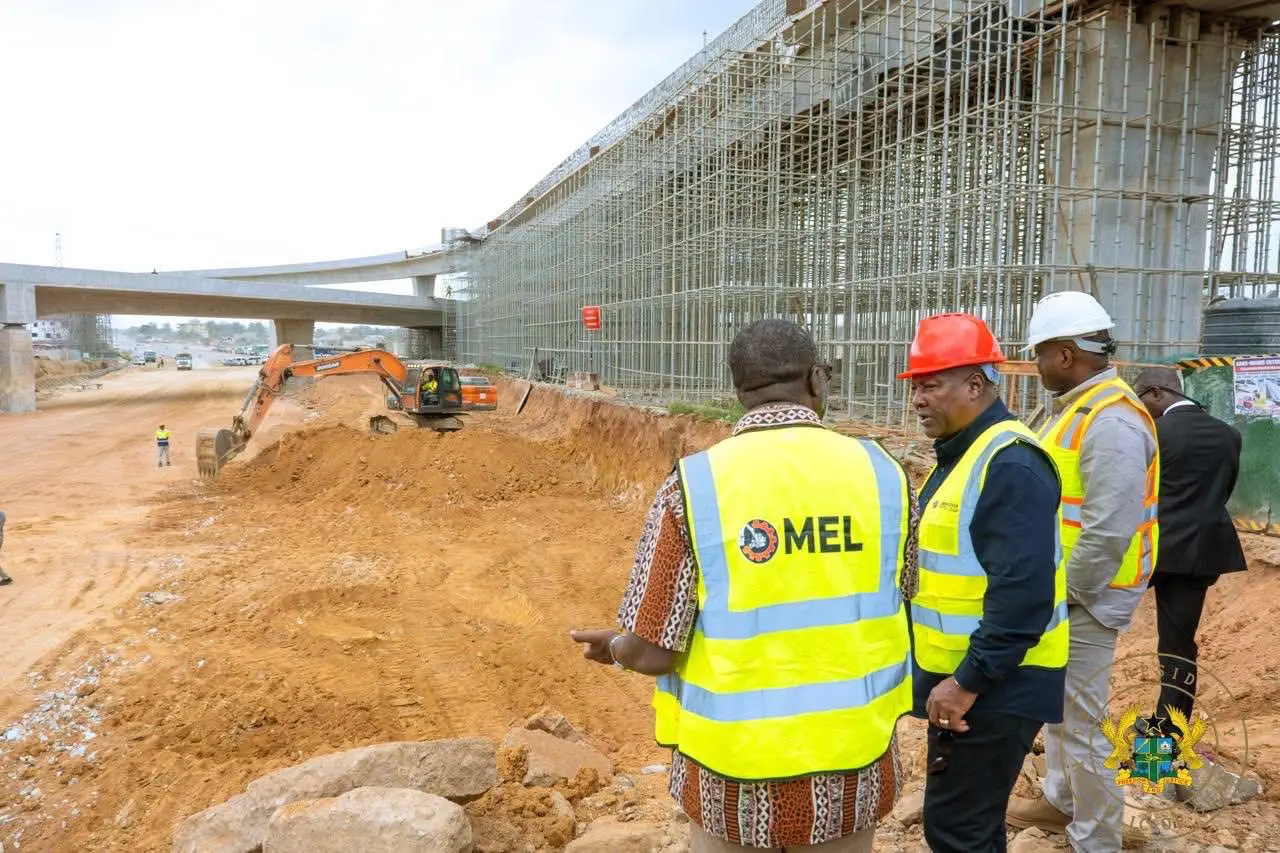
The Big Push is not a catchphrase. It is a strategic investment, $10 billion committed to revitalizing Ghana’s infrastructure. With GH¢13.9 billion allocated for 2025 and GH¢30 billion projected for 2026, this initiative marks a decisive shift from fragmented development to a coordinated national transformation. Roads, energy systems, digital networks, and urban upgrades are no longer distant aspirations, they are actively being built across all 16 regions.
President Mahama’s message is both urgent and humane. He speaks not only of concrete and steel, but of mothers who will no longer risk their lives on broken paths to reach healthcare, of farmers whose harvests will arrive fresh in city markets, and of students who will travel safely and punctually to school. The Big Push is a bridge, linking rural producers to urban consumers, connecting forgotten villages to the pulse of national progress.
Take the Ho–Denu corridor, now under development. This 99-kilometre stretch will connect Ghana to Togo and Nigeria, opening trade routes that have long been hindered by poor infrastructure. Similarly, the Dodowa–Afienya–Dawhenya road will ease travel between Accra and the Volta and Eastern Regions, reducing congestion and improving access to regional markets.
But this initiative is more than transportation. It is a moral imperative. For years, Ghana’s infrastructure gap has quietly penalized the poor, limiting access to opportunity, mobility, and basic services. The World Bank estimates an annual shortfall of $1.5 billion in infrastructure investment in Ghana. President Mahama’s response is bold and generational. He has declared that “the whole of Ghana is going to become a construction site,” and the machinery is already in motion.
The Big Push is also a lifeline for agriculture. Roads from farming zones are being prioritized, ensuring that produce from the North, Volta basin, and forest regions can reach urban centers quickly and efficiently. This will reduce spoilage, stabilize food prices, and invigorate rural economies. It is a logistical transformation with deeply human consequences.
The initiative will generate employment, not only for engineers and contractors, but for artisans, drivers, vendors, and laborers. It will stimulate the informal sector, attract private investment, and foster partnerships between government and industry. Anchored by the Ghana Infrastructure Investment Fund, the Big Push is designed to draw both domestic and international capital.
President Mahama’s commissioning event was more than ceremonial. It was a rallying cry. He asked citizens to be patient with the temporary disruptions caused by construction, reminding them that lasting progress often begins with discomfort. He pledged prompt payments to contractors, local hiring, and a 24-hour work cycle to accelerate delivery.
Togbe Afede XIV, Agbogbomefia of the Asogli State, echoed this sentiment: “This is not a burden for government alone.” The Big Push is a shared endeavor,a national mission that calls for unity, resilience, and collective effort.
This initiative is not just about infrastructure. It is about restoring trust. It is about a Ghana where a farmer in Nkwanta can feed a family in Tema, where a nurse in Aflao can reach her clinic without delay, and where a student in Somanya can dream beyond the horizon. It is about movement—not just of goods and people, but of aspirations.
Today, President Mahama did more than launch a project. He ignited a vision. And in that vision, Ghana moves forward, not in fragments, not in isolation, but as one determined nation.
