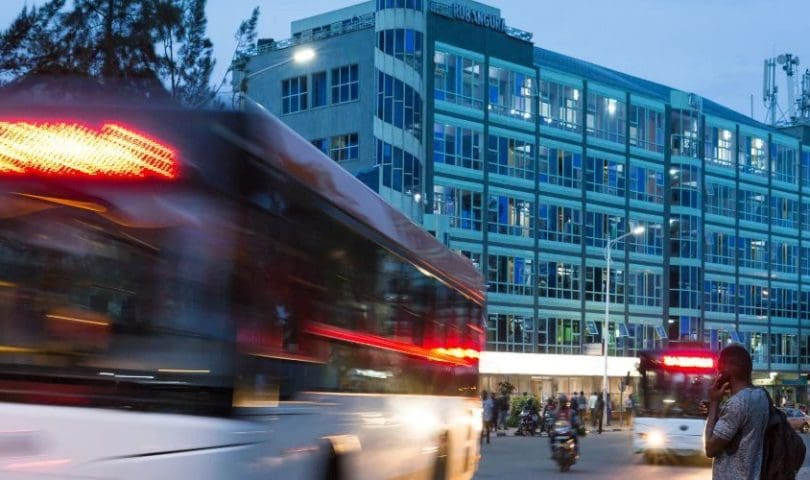

Photo credit: Kelley Lynch/World Bank
As the 21st century began, world leaders were optimistic about eradicating poverty and hunger. However, as the first quarter of the century comes to a close, it’s clear that these lofty goals will not be met.
According to the World Bank’s latest Global Economic Prospects report, the long-term growth outlook for developing economies is the weakest it’s been since the start of the century. Without a sustained improvement in growth rates, only six of today’s 26 low-income countries are likely to attain middle-income status by 2050.
By 2030, 622 million people will remain in extreme poverty, and hunger and malnutrition will continue to affect roughly the same number. Developing economies, which began the century on a trajectory to close the income gap with wealthier economies, are now falling farther behind.
Despite achieving substantial progress in the 21st century, including growing at the fastest clip since the 1970s, developing economies have been hindered by weak investment and productivity growth, aging populations, rising trade and geopolitical tensions, and the escalating dangers of climate change.
To chart their own progress, developing economies need a fresh game plan, one that strengthens their capacity to fend for themselves and seize growth opportunities. This can be achieved by increasing reforms to attract investment, deepening trade and investment ties with other developing economies, modernizing infrastructure, improving human capital, and speeding up the climate transition.
Ruth Abla ADJORLOLO