

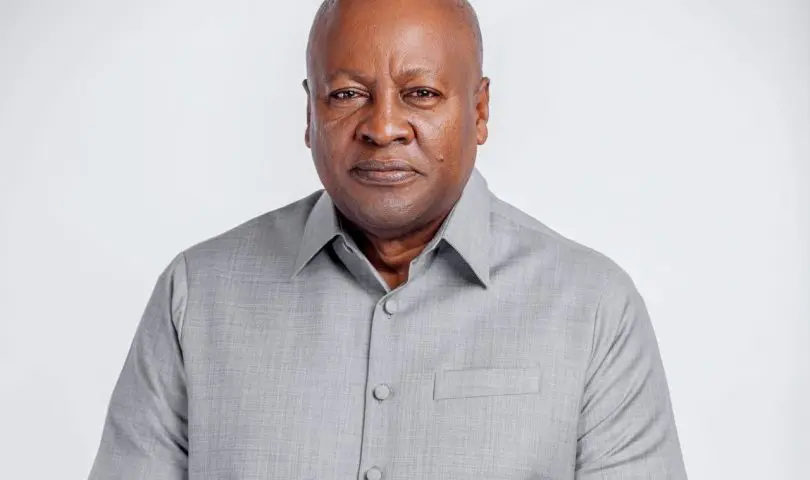

President John Dramani Mahama has publicly addressed the recent parliamentary approval of a GH¢1 increase in the Energy Sector Recovery Levy, defending the difficult decision as crucial for Ghana’s economic stability and continuous power supply.
Speaking on the matter, President Mahama stated that the nation’s “growing energy sector liabilities constitute the greatest existential threat to fiscal consolidation and macro-economic stability,” citing a current debt burden of over US3.1 billion and an additional US1.8 billion needed for thermal power generation fuel in the coming months.
The President emphasized that leaving this situation unaddressed would significantly imperil national productivity and industrial growth. He explained that the GH¢1 increase, which Parliament passed under a certificate of urgency, is projected to generate GH¢5.7 billion annually. These funds, he assured, will be “strictly ring-fenced” to liquidate legacy energy debts, finance ongoing fuel purchases, and prevent recurring power shortages, thereby safeguarding the funds from the consolidated fund’s hazards and ensuring regular, public audits for transparency.
President Mahama indicated that while initial revenues would primarily go towards fuel purchases for stable electricity, future developments in the upstream sector and increased gas supply from fields like ENI Sankofa, Jubilee, Ten, and the West African Gas Pipeline (WAGP) are expected to substantially reduce reliance on liquid fuels. At that stage, funds from the levy will be redirected to settle accumulated legacy power sector debts. He further assured Ghanaians that, due to recent gains in macro stability and the strengthening of the Ghana Cedi, the levy is not expected to result in immediate fuel price increases at the pump.
Acknowledging the potential burden on households and businesses, the President affirmed that the decision was not taken lightly and reiterated the government’s commitment to reducing systemic inefficiencies in energy procurement and distribution, alongside enhancing targeted social interventions for vulnerable populations.
Sankofaonline
