


By Stephen Apolima | 18 May, 2025
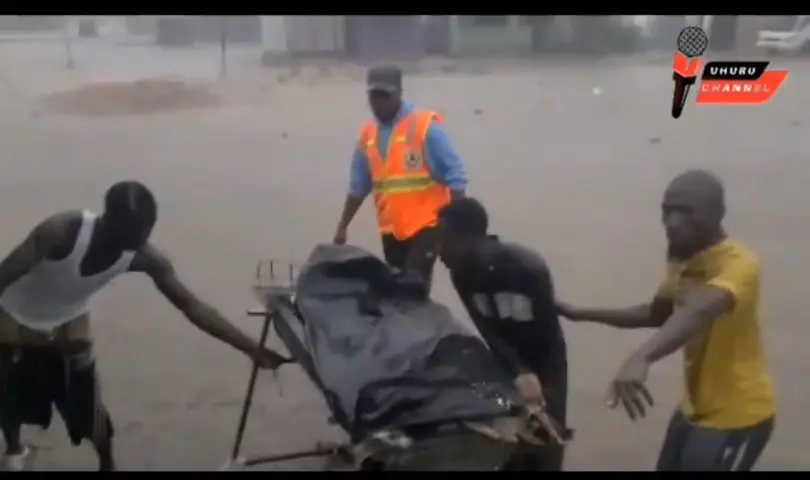
Kasoa, Ghana – Just a day after the much-publicized Sanitation Dialogue organized by the Municipal Chief Executive (MCE), Hon. Seth Sabah Serwornoo-Banini, and the Member of Parliament for Awutu Senya East, Hon. Phillis Naa Koryoo Okunor, parts of Kasoa were once again submerged following a heavy downpour.
Communities such as Dokutsukope in Iron City and other vulnerable areas within the municipality reported widespread flooding, with homes inundated and access routes rendered impassable. For many residents, it was a night of anxiety and loss — and a grim reminder of the challenges that continue to plague Kasoa’s sanitation and drainage infrastructure.
In an emotionally charged voice note circulating on social media, a distressed woman is heard making a direct appeal to the NDC Constituency Chairman, Mr. Stephen Ofosu Agyare, pleading for intervention and urging the MCE to come to the aid of flood victims.
“We are suffering. We’ve lost our belongings again. Please, Chairman, talk to the MCE. Let him come here and see for himself,” she pleaded in Twi, her voice fraught with despair.
Minutes after the distress call, the newly appointed District NADMO Director, Mr. Nash Nyandey, was seen in the affected communities. In one video shared online, he is visibly using a bucket to scoop water out of flooded homes — and doing so while it was still raining.
While his personal effort has been commended by many, it also underscores a deeper, more worrying truth: the Assembly is clearly ill-equipped and ill-prepared for the rainy season. The sight of a NADMO official relying on buckets in 2025 speaks volumes about the logistical and operational deficiencies that still afflict the municipality’s disaster management framework.
This incident has raised troubling questions: What emergency response plans were drawn up ahead of the rainy season? What resources have been allocated to NADMO? Are the lessons from previous years being applied, or merely archived?
The timing of the floods — coming just a day after a high-level sanitation dialogue — has further fueled public frustration. Although the dialogue touched on vital issues such as waste disposal, enforcement of sanitation by-laws, and community engagement, many citizens now wonder whether these engagements are serving as policy vehicles or public relations events. If actionable interventions had been planned and executed in advance, the scale of devastation could have been mitigated.
In sharp contrast, the Kumasi Metropolitan Chief Executive did not convene any stakeholder forum before initiating action. Instead, he mobilized prison inmates to sweep major roads and market areas, demonstrating that swift and simple interventions can be more effective than protracted discussions.
The people of Awutu Senya East are not asking for miracles — they are asking for proactive governance, evidence of preparedness, and leadership that responds to emergencies not with sympathy, but with systems.
This is not the time for social media declarations or carefully worded communiqués. It is time for drains to be desilted, for risk zones to be mapped and addressed, for emergency logistics to be pre-positioned, and for community education to go beyond slogans.
If the Sanitation Dialogue is to be remembered as a turning point, then now is the time for the MCE, MP, and all municipal stakeholders to demonstrate that it was not a ceremonial event but a prelude to urgent, coordinated, and sustainable action.
As more rains are forecast, the people of Kasoa wait — not for words, but for water to stop flowing into their homes.

The previous regime failed woefully in managing sanitation in ASEMA. I hope the new regime will make a difference .