


By Stephen Apolima | 17 May, 2025 | Accra, Ghana
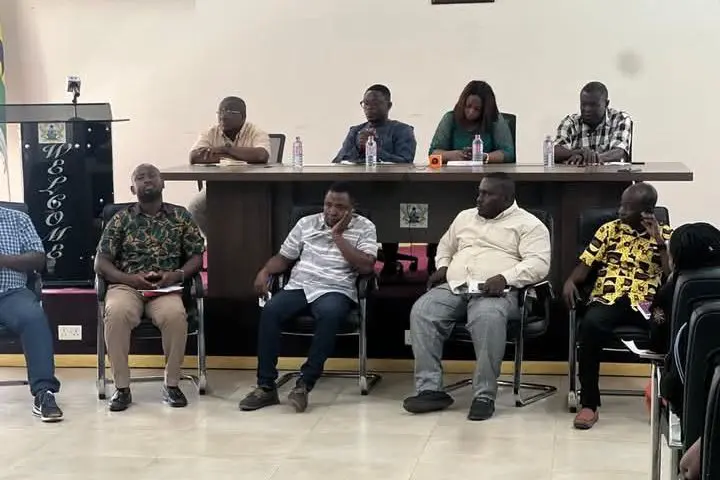
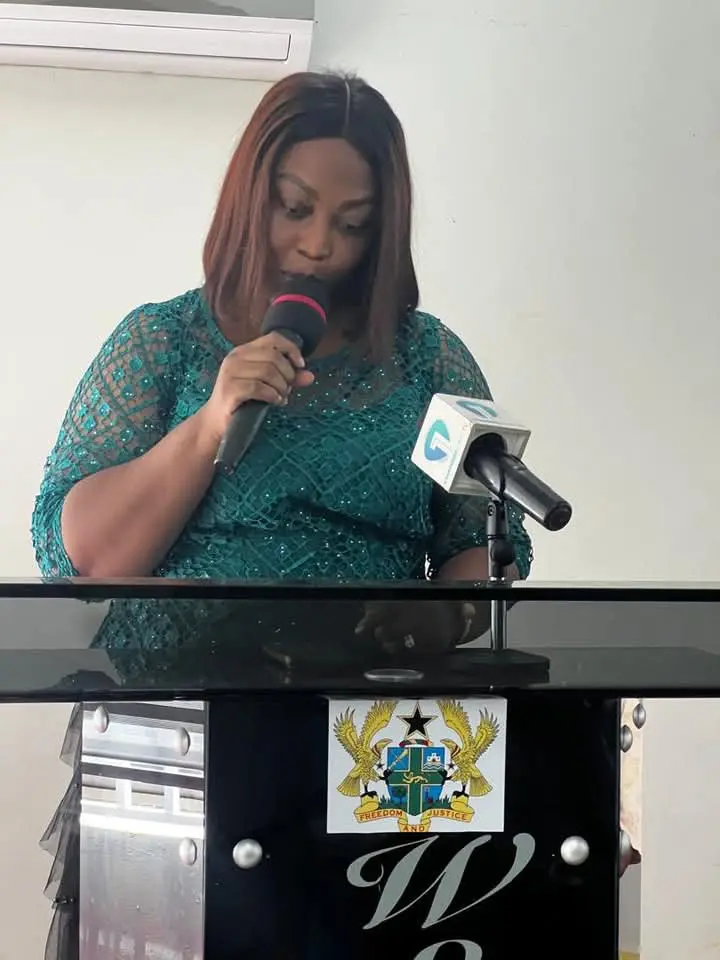
The bustling town of Kasoa, the heartbeat of the Awutu Senya East Municipality, has long struggled with the burden of poor sanitation. Overflowing gutters, uncollected refuse, and informal dumping sites have unfortunately become everyday sights in many parts of the municipality. It was, therefore, a welcome development when the Municipal Chief Executive, Hon. Seth Sabah Serwornoo-Banini, and Member of Parliament, Hon. Phillis Naa Koryoo Okunor, convened what has been described as the Maiden Sanitation Dialogue — a gathering of stakeholders committed to addressing the sanitation challenges of Kasoa.

The initiative, by all accounts, deserves commendation. The involvement of civil society, security agencies, community leaders, and environmental health units signals a willingness to foster collective action. The dialogue also focused on key structural issues, including enforcement of sanitation by-laws, waste disposal systems, and the role of public-private partnerships. These are critical pillars for sustainable urban cleanliness.

However, as citizens and taxpayers, it is only fair to ask: Does it take a conference to clean up our city, or are we simply celebrating an event rather than ensuring delivery?
This is not to question the sincerity of the organizers or the importance of multi-stakeholder consultation. Far from it. But the concern among many residents is this: Why did the existing sanitation programs and interventions previously launched in the municipality stall in the first place? What became of those earlier commitments? Were they evaluated, abandoned, or simply lost in political transitions?
These are questions not rooted in cynicism but in civic responsibility. If we are to have true progress, policy consistency must not be the casualty of administrative change. The citizens of Awutu Senya East deserve not just dialogues, but delivery. Not just declarations, but continuity.
In sharp contrast, the Kumasi Metropolitan Chief Executive did not need to convene a stakeholders meeting but has started to deploy prisoners to sweep the streets of Kumasi and all markets within the city. The visual impact is already evident — cleaner spaces and a proactive approach that prioritizes action over ceremony. This raises an uncomfortable but necessary comparison: could we be doing more with less talking in Kasoa?
Moreover, as this was called a maiden sanitation dialogue, some have quietly wondered: Was this event also designed, at least in part, to reward certain loyalists or citizen groups rather than being an open, participatory process for all residents? Again, this is not a charge but a reflection of what public perception may lean toward when information about selection criteria and participation is unclear.
To avoid such concerns in the future, transparency around the planning and outcomes of public dialogues must be strengthened. The next step should be a publicly accessible sanitation action tracker, detailing timelines, responsible departments, and benchmarks for improvement. In a city as fast-growing and diverse as Kasoa, stakeholder dialogues must be the beginning of sustained public accountability, not the end.
In all, the initiative is praiseworthy. But to truly change the narrative, residents must begin to see refuse disappear, gutters cleared, by-laws enforced, and neighbourhoods transformed — not just social media posts or ceremonial gatherings. That will be the measure of success.
And perhaps one day, when Kasoa is clean and dignified again, we will look back at this dialogue not as another event, but as the moment when real change began.
