

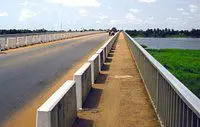

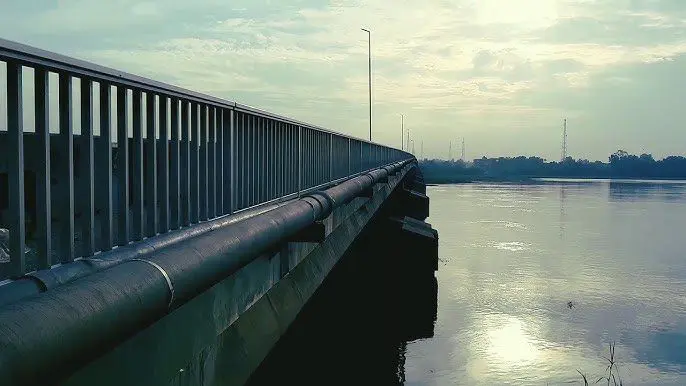
The Sogakope Bridge, also known as the Lower Volta Bridge, is nearing a milestone 58 years of service in 2025, sparking concerns about its safety and durability. Built between January 1965 and January 1967 by two German contractors, the 650-meter bridge is the longest in Ghana. Given its age and condition, there are growing calls for the construction of a new bridge to replace the existing one, which would ensure the continued safe passage of vehicles and pedestrians.
The bridge plays a critical role in connecting various parts of the country, facilitating the movement of goods and people. However, its deteriorating state poses a significant risk to the safety of commuters and the structural integrity of the bridge itself. Experts and concerned citizens are urging the government to prioritize the construction of a new bridge to prevent potential disasters and support economic development in the region.
A new bridge would not only ensure the safety of commuters but also support the economic development of the region by providing a reliable transportation link. It would also be designed to withstand modern traffic demands and environmental stresses, reducing the need for frequent repairs and maintenance. By learning from other countries that have successfully replaced aging infrastructure, Ghana can adopt best practices and technologies to build a bridge that meets modern safety standards.
The construction of a new bridge would require careful planning and execution, including designing a structure that can support the anticipated volume of traffic and withstand environmental stresses. It would also involve relocating or rerouting traffic during the construction phase to minimize disruptions. However, the benefits of a new bridge would far outweigh the challenges, providing a safer, more reliable, and more efficient transportation link for years to come.
In light of the potential risks associated with the current bridge, it is imperative that the government takes proactive measures to address the situation. By prioritizing the construction of a new bridge, Ghana can prevent potential disasters, support economic growth, and ensure the safety and well-being of its citizens. The time to act is now, before the situation becomes critical.
