
By: Nii Attram ( Ga-Mantse )
The removal of a Chief Justice in Ghana is an extraordinary event, guided by the 1992 Constitution’s Article 146. While the President plays an essential role in the process, the procedure is carefully structured to uphold transparency, fairness, and legality.
The Constitutional Process
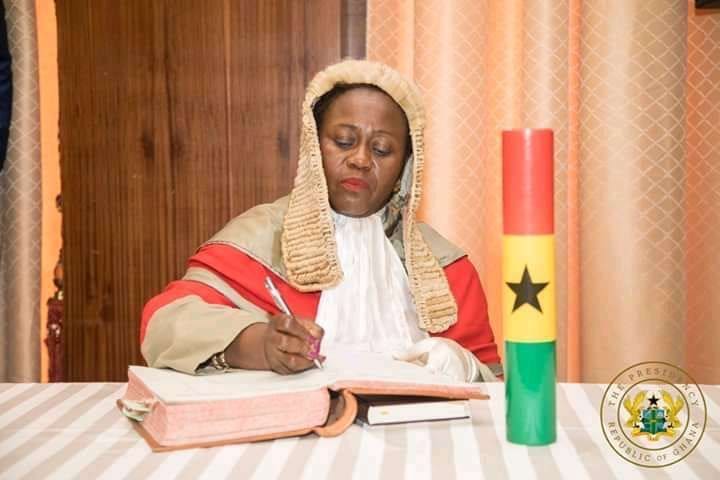
As per Article 146, a Chief Justice can only be removed for specific reasons such as misconduct, incompetence, or an inability to fulfill their duties due to health issues. The process begins when the President receives a petition detailing these concerns. In the case of Chief Justice Gertrude Torkornoo, President Mahama has reportedly submitted three petitions to the Council of State for their review.
The Council of State’s Input
The Council of State serves as the President’s advisory body, assessing whether the allegations in the petitions warrant further investigation. This step is crucial as it prevents politically motivated actions and ensures legitimate concerns are addressed.
Setting Up the Investigative Committee
If the Council of State recommends further inquiry, the President then establishes a committee to investigate the claims. This committee consists of two Supreme Court judges and three impartial members who are neither MPs, Council of State members, nor lawyers. The proceedings take place privately, offering the Chief Justice an opportunity to respond and defend herself with legal or expert support.
The Final Step
Upon completing its investigation, the committee submits its findings and recommendations to the President, who is obligated to act according to their conclusions. This ensures that the President’s decision aligns with the evidence and is not influenced by personal or political bias.
The President’s Role in Context
- Ensuring Accountability: The process ensures that the judiciary remains accountable and that even the highest judicial officers are subject to scrutiny.
- Maintaining Checks and Balances: The involvement of multiple independent entities like the Council of State and the committee ensures that the system remains balanced and fair.
- Reinforcing Public Trust: A transparent process that addresses legitimate concerns can bolster public confidence in the judiciary.
Conclusion
Although the removal of a Chief Justice is a complex and sensitive matter, Ghana’s Constitution provides a comprehensive framework to address such situations. By forwarding the petitions to the Council of State, President Mahama has adhered to the required legal process, showcasing the importance of rule of law.
This mechanism is not merely about the potential removal of an individual but serves to protect the judiciary’s integrity and affirm the principles of accountability and justice—principles that are essential for a thriving democracy.
Source: Nii Attram ( Ga-Mantse)