

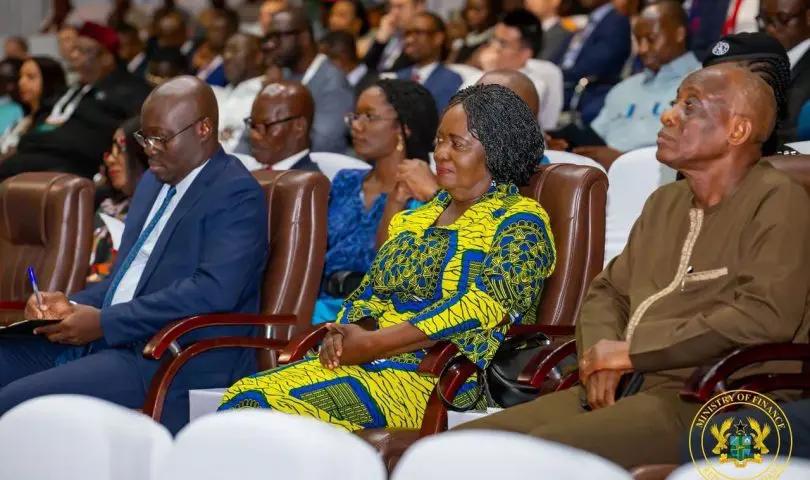

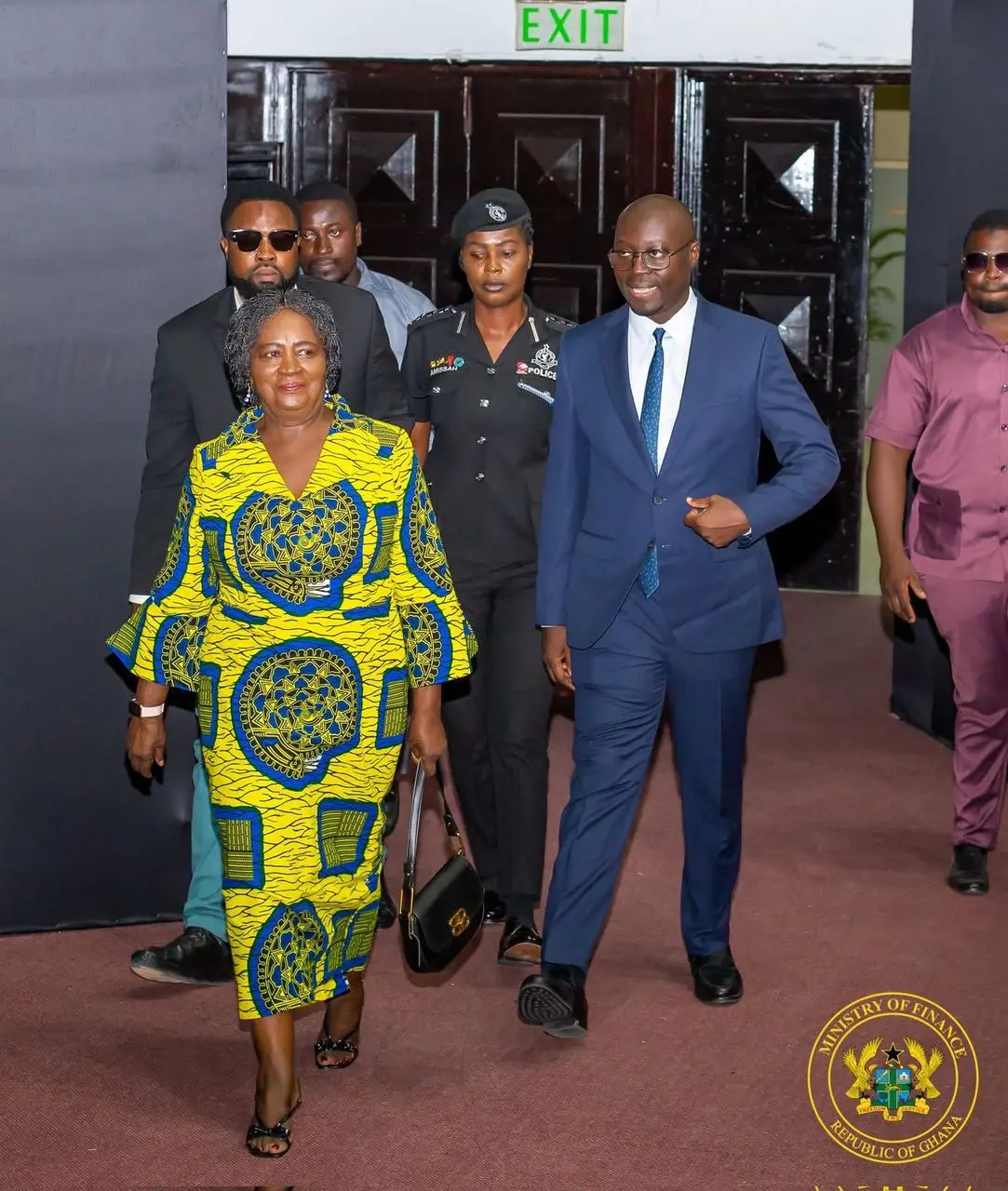
Ghana’s government has reaffirmed its commitment to structural reforms and private sector-driven growth, pledging to implement key policy recommendations from the 2025 National Economic Dialogue. The two-day dialogue, chaired by Vice President Prof. Naana Jane Opoku-Agyemang, outlined a strategic roadmap for achieving long-term economic resilience and sustainable development.
The dialogue focused on six priority areas, including macroeconomic stability, and emphasized the need for a concerted effort from all stakeholders, including government, private sector, civil society, and citizens. Vice President Opoku-Agyemang underscored the Mahama administration’s dedication to fostering economic growth and implementing measures that deliver tangible relief to businesses and citizens.
“The reset agenda is both ambitious and necessary,” she stated. “We promise to collaborate with all sectors and sections of Ghana to ensure that we deliver a homework worthy of an A.” The government’s commitment to implementing the dialogue’s recommendations is a significant step towards achieving Ghana’s economic goals.
As Ghana seeks to strengthen its economy, the importance of private sector development cannot be overstated. Historically, Ghana’s industrialization has been state-led, but the private sector has consistently played a prominent role in the country’s economic development agenda ¹. By prioritizing private sector-driven growth, the government aims to unlock the sector’s potential and drive sustainable economic growth.


Ruth Abla ADJORLOLO
