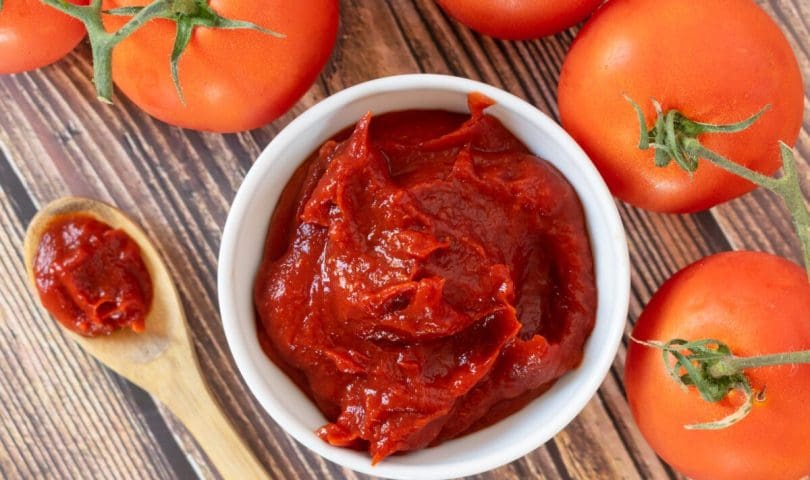

In a recent article on Ghanaweb.com, it was reported that researchers at KNUST’s Department of Food Science and Technology have identified a harmful banned substance, Erythrosine (Red Dye No. 3), in some tomato pastes sold in Ghana. This artificial food coloring, created from petroleum, has been a fixture in many processed foods, but recent studies have raised notable safety concerns.
What is Erythrosine?
Erythrosine, or Red Dye #3, is a synthetic dye that imparts a bright, cherry-red hue to various food items. It is widely used in candies, baked goods, beverages, and some medications. Despite its widespread use, the dye has been scrutinized for potential health risks over the years.
Health Risks Associated with Red Dye #3
- Cancer Risk: Research has indicated that high doses of Red Dye #3 can cause cancer in laboratory rats. While the exact impact on humans remains uncertain, animal studies have led regulatory authorities to take action.
- Thyroid Issues: Erythrosine has been linked to thyroid hormone disruption, impairing the thyroid’s ability to absorb iodine, which is crucial for hormone production, and potentially causing thyroid-related disorders.
- Behavioral Effects: Evidence suggests that synthetic food dyes, including Red Dye #3, may contribute to behavioral problems in children, such as hyperactivity and impulsivity, especially in those with attention deficit hyperactivity disorder (ADHD).
- Brain Toxicity: Red Dye #3 has been found to increase oxidative stress in the brain, leading to tissue damage and impaired neuron communication, which can contribute to conditions like Alzheimer’s disease.
Regulatory Actions
Due to these health concerns, the U.S. Food and Drug Administration (FDA) will ban Red Dye #3 in food and pharmaceuticals by early 2027. This move aligns with actions taken by other countries, including the European Union, Australia, and New Zealand, which have already prohibited the dye due to its risks.
Conclusion
While Erythrosine’s bright red color makes food products more appealing, the hidden dangers associated with this synthetic dye are significant. As consumers, it’s important to be aware of the ingredients in our food and push for safer alternatives. The ban on Red Dye #3 is a crucial step toward ensuring consumer safety, but it also reminds us to stay vigilant about food additives.
Ultimately, the vivid color of Red Dye #3 is not worth the potential health risks. By opting for natural and safer alternatives, we can enjoy our food without jeopardizing our health.
Source: Sankofaonline.com